After 41 years since the Bhopal Gas Tragedy, the ash produced from incinerating the toxic waste from the Union Carbide factory has now become a new crisis. The Madhya Pradesh Pollution Control Board (MPPCB) faces the challenge of safely disposing of 899 tons of this ash.
Bhopal: Forty-one years after the gas tragedy, the ash generated from the toxic waste has now emerged as a new challenge. The Madhya Pradesh Pollution Control Board faces the task of safely disposing of 899 tons of this ash. This ash resulted from the incineration process of waste from the Union Carbide factory. In May and June of this year, 337 metric tons of toxic waste were incinerated at a treatment plant in Pithampur, producing 899 metric tons of ash and residues, which is approximately three times the original volume of waste. Several months have passed since this 55-day incineration process concluded, but the ash is still securely stored within a shed in leak-proof containers.



899 Tons of Ash, Three Times More Waste – High Court Imposed a Ban
A total of 337 metric tons of toxic waste was incinerated, but the ash produced from this process increased in weight by nearly three times, reaching 899 metric tons. Despite this 55-day process, the ash remains stored inside a shed in leak-proof containers. In October, the Madhya Pradesh High Court rejected the government's proposal to store the ash 500 meters away from human settlements. Officials state that this decision has left the plan for safe ash disposal in limbo.
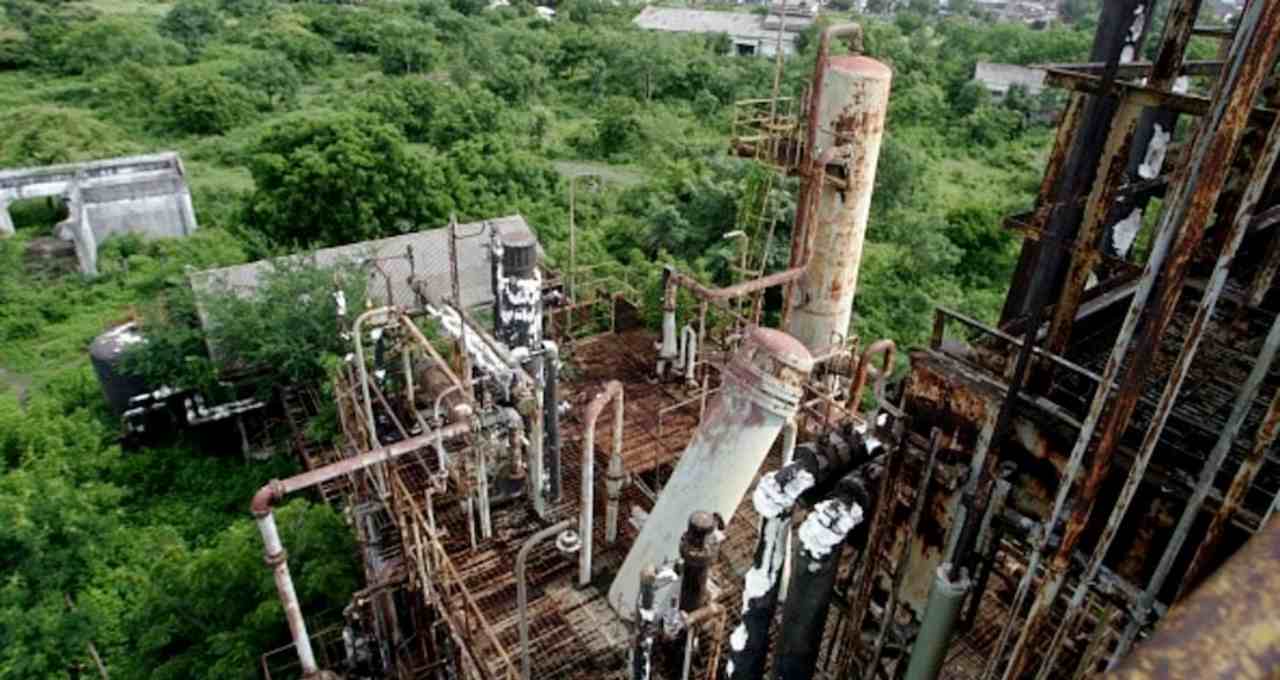
A great deal of confusion has arisen regarding the disposal of hazardous waste. A senior official from the Pollution Control Board stated that the construction of the landfill was delayed due to the court's order and unseasonal rains in October. The official said, “Until an alternative site is identified, no concrete steps can be taken. The court has clearly stated that the ash must be disposed of at a safe site, away from human habitation and water sources.”
Court's Order and Officials' Plan
Officials involved in the incineration process stated that according to the initial plan, the goal was to prepare the landfill by November and complete the safe disposal of ash by December. Burying the ash scientifically would take approximately one month, but the court's order and the site selection process have made it even more complex.
Local groups and citizens are raising their voices against this process. Hemant Hirole, convenor of the Pithampur Bachao Samiti (Save Pithampur Committee), said, “This waste is no less dangerous than an atomic bomb for future generations. The High Court has clearly stated that this site is unsafe. The government must find another safe place.” The safe disposal of waste generated after a world-renowned industrial tragedy like the Bhopal Gas Disaster is challenging not only at the local level but also from the perspective of global environmental safety. Experts say that improper management of toxic waste can pose a serious threat to both human health and climate security.