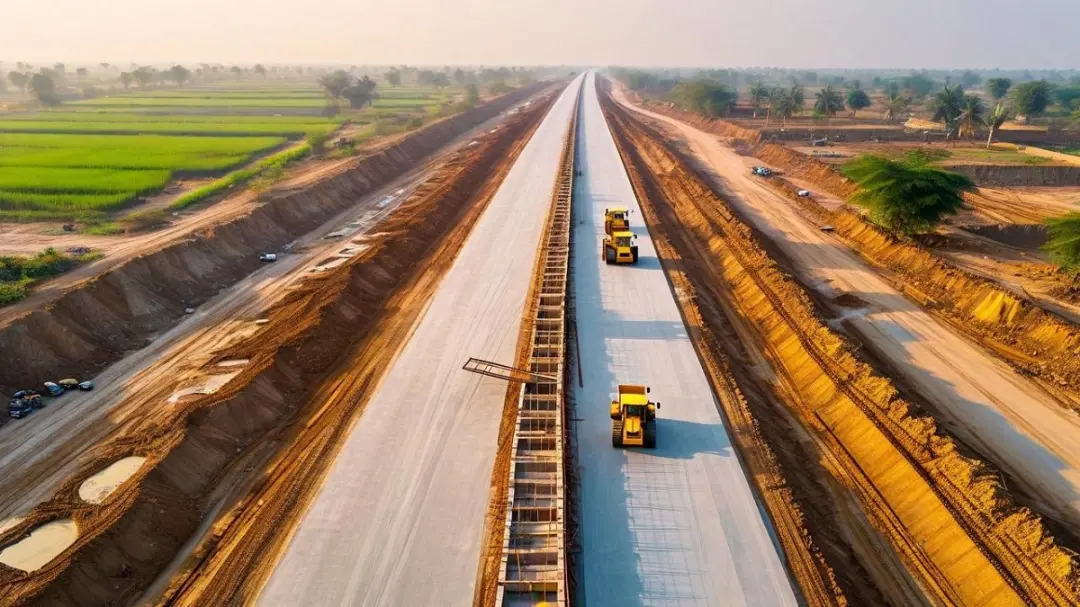
A road and expressway expansion plan involving an estimated investment of ₹35,000 crore is being proposed in Bihar, with the aim of expanding road infrastructure and improving direct connectivity between important locations including Dobhi, Rajgir and Bodh Gaya. The expansion of expressways and major roads is expected to make travel easier and could support tourism, trade and industrial activities.
The plan links road connectivity with economic development in Bihar. An improved road network could reduce travel time between districts and facilitate the movement of goods. Better connectivity to tourism and religious destinations such as Gaya and Nalanda is also expected to benefit tourists and local businesses.
Dobhi, located in the southern part of Bihar, is an important road connectivity centre and is also relevant for movement between Bihar and Jharkhand. Bodh Gaya is an internationally known Buddhist tourism destination visited by tourists from India and abroad. Rajgir is also an important religious, historical and tourism destination. Improved direct connectivity among the three areas could strengthen the tourism circuit.
The ₹35,000 crore plan would extend beyond road construction. Large road projects can involve the development of bridges, flyovers, interchanges, service roads and other facilities. Such infrastructure could lead to increased economic activity in surrounding areas, including the development of markets, transport services, logistics activities and other commercial facilities along the roads.
Better connectivity from Dobhi to Rajgir and Bodh Gaya could benefit both travellers and tourists. Travel between different locations can currently take longer because of routes and traffic conditions. Improved and faster road connectivity is expected to provide comparatively smoother travel.
Road connectivity is also important for foreign tourists visiting Bodh Gaya. Easier access to Gaya Airport and tourism destinations around Bodh Gaya could improve access for visitors. If Bodh Gaya is connected to Rajgir and other tourism destinations through faster road routes, Bihar's tourism circuit could expand.

Rajgir is already among Bihar's major tourism destinations, with several sites of historical, religious and natural importance. Its proximity to the ancient university area of Nalanda also makes it important. Better road connectivity between Bodh Gaya and Rajgir could allow tourists to visit several important destinations during the same trip.
A key objective of expanding Bihar's expressway network is to connect different parts of the state through faster transport routes. This could reduce travel time over longer distances. Several major routes currently experience traffic pressure, and the development of new expressways and high-speed corridors could help reduce the pressure on existing roads.
The plan could also have implications for trade. Road transport is a major means of moving goods in Bihar. Roads play an important role in transporting agricultural products, industrial goods and other materials between districts and to neighbouring states. Faster and improved road connectivity could reduce transportation time and potentially lower costs for businesses.
Rural areas could also receive indirect benefits from large road projects. Development of local roads connected to expressways could make it easier for villages and small towns to access larger markets. Farmers could find it comparatively easier to transport their products to mandis and other markets.
Large road projects create employment opportunities during construction, when workers, technical employees and other personnel are required. After completion, employment opportunities could also increase in roadside services such as eateries, hotels, petrol pumps, transportation, logistics and other businesses.
The proposed ₹35,000 crore investment represents infrastructure spending in Bihar's road sector. Such projects can affect economic activity over the longer term. Improved connectivity could also help attract new industries, as road, rail and other transport facilities are important considerations for industrial development.
Dobhi in Gaya district is connected to important transport routes. If faster and improved connectivity towards Rajgir and Bodh Gaya is developed from the area, the transport capacity of surrounding regions could also increase.
Given Bodh Gaya's religious and international tourism identity, improving visitor facilities is relevant to the state's tourism sector. Better roads could make it easier for tourists to travel from Bodh Gaya to Rajgir, Nalanda and other historical destinations. Tourism-related businesses, including hotels, guides, taxis, handicrafts and local enterprises, could also benefit.
Tourism expansion in Rajgir has been accompanied by increased economic activity in surrounding areas. Improved expressway connectivity could further facilitate this process. Faster road routes could make travel easier, particularly when tourist movement increases during weekends and holidays.
Several stages are important for any large expressway project, including land acquisition, environmental approvals, preparation of a detailed project report and construction timelines. The final details regarding the project's size, route and pace of construction will become clear after the relevant government approvals and official announcements.
Road safety will also require attention as the expressway network expands. Entry and exit arrangements, service roads, emergency lanes, road signs and other safety measures will be important on high-speed routes. The design of interchanges and connecting roads will also need to take into account the movement of local residents and smaller vehicles.
Once completed, the project could change Bihar's road network by connecting major tourism and economic centres through faster routes. It could make travel easier for residents and improve connectivity for people travelling to Bihar from other states.
Road and bridge construction has been among Bihar's development priorities in recent years. Expansion of expressways and high-speed road corridors could represent a further step in this direction. Stronger road links could improve transportation between different parts of the state.
The Dobhi-Rajgir-Bodh Gaya connectivity is relevant because the region is linked to tourism, religious activities and trade. Bodh Gaya has international tourism importance, while Rajgir and Nalanda have historical importance. Connecting these areas through an improved road network could strengthen Bihar's tourism map.
For local residents, better connectivity could also provide faster access to healthcare, education and employment opportunities. If small cities and towns are better connected to major roads, access to larger urban centres could become easier. Access to hospitals and other essential services could also improve during emergencies.
Construction could temporarily affect surrounding areas through changes in traffic arrangements and construction activity. In the longer term, ber road connectivity is expected to provide broader benefits. Construction quality and timely completion will be important aspects of the project's implementation.
The proposed ₹35,000 crore investment could strengthen connectivity in Bihar by improving road links between important centres such as Dobhi, Rajgir and Bodh Gaya. Faster connections between these locations could support travel, tourism and business activity.
The next stage of the proposal and its detailed structure remain subject to the official process. The route, construction phases, timeline and other technical details will be clarified on the basis of final approvals and detailed project documents from the relevant departments. If the plan proceeds as proposed, it could change road connectivity in Bihar, particularly in the Gaya and Nalanda regions.