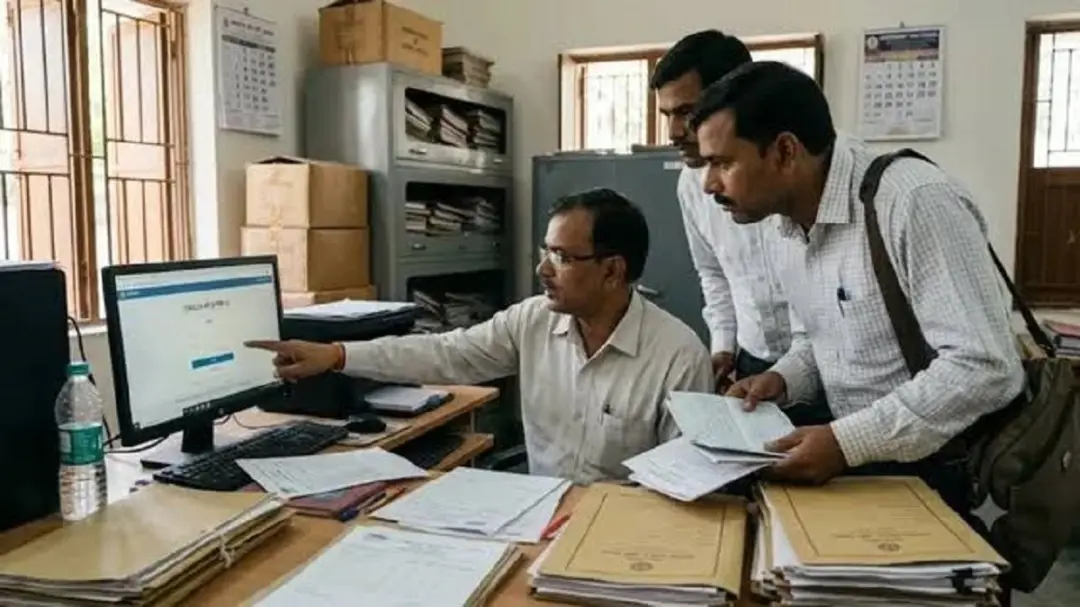
Bihar is using the Comprehensive Financial Management System (CFMS) 2.0 and e-Nidhi V2 to make salary payments to government teachers and employees more transparent, organised and digital. The system focuses on digitally recording employees' financial information, verifying their bank account details and managing payments related to salaries and other financial claims.
Under the new system, a unique Payee ID will be important for each relevant employee. This identifier will be used to record and manage payment-related information in the system. Government teachers and other employees in Bihar therefore need to understand what a Payee ID is, which officials are responsible for generating it and what documents may be required.
CFMS plays an important role in Bihar's government financial management framework. Its full name is Comprehensive Financial Management System. The system is designed to manage government financial transactions, bill preparation, payment processing and related records digitally. e-Nidhi V2 is a portal associated with this framework through which relevant departmental processes are carried out.
Accurate employee identification, bank account information and service records are necessary to maintain proper salary payment records. Incomplete employee information or errors in bank details can create difficulties during payment processing.
A Payee ID can be understood as a unique digital financial identifier for an employee. Once the details of a person eligible to receive government payments are entered into the system, this identifier is used to establish their identity.
It helps link records relating to an employee's salary, arrears and other approved financial payments to the correct beneficiary. The purpose is to ensure that the employee's identity and bank details are matched accurately during payment processing. Generating a Payee ID therefore involves not only creating an identifier but also verifying the employee's required information.



Employees are generally not required to apply independently at a cyber cafe to obtain a Payee ID. The process is handled through the relevant office's Drawing and Disbursing Officer (DDO), establishment branch or authorised departmental personnel.
At the office level, employee information and supporting documents are checked against the available records. The details are then entered into the system according to the prescribed departmental procedure. The Payee ID may be generated after verification and approval by the relevant authorities. However, the actual status of an employee's ID depends on the department, office and records concerned.
Employees should first contact their office or establishment branch to determine whether their records have been entered into CFMS 2.0. If the records already exist, they should verify that their name, designation, department and bank account details are correct. If the records are unavailable or incomplete, they should ask the relevant office which documents are required and what steps must be followed.
Documents that may be requested during verification include the appointment letter, joining-related forms, a clear copy of the bank passbook, PAN card and other identity documents required under departmental rules.
Depending on an employee's service conditions, information relating to the General Provident Fund (GPF) or Permanent Retirement Account Number (PRAN) may also be required.
The document requirements may vary across employee cadres and service categories. Employees should therefore confirm the prescribed list with their respective offices rather than assume that the same documents are required from everyone.
For teachers, verifying service records is particularly important. Information available through Education Department portals and employee management systems may be checked against the relevant departmental records.
If discrepancies are found in a teacher's name, appointment details, joining information, posting or bank account information, the records may need to be corrected. Teachers should contact their school headmaster, the relevant DDO or the establishment branch to confirm that their details have been entered correctly.
Any discrepancies should be reported and corrected promptly to help ensure that salary-related claims can be processed using accurate information.
Correct bank account information is another key requirement under the system. Employees should check their account number, Indian Financial System Code (IFSC), the spelling of the account holder's name and other identifying details.
A mismatch between the name recorded in the bank passbook and the name in departmental records may create verification problems. Similarly, an incorrect account number or IFSC code may prevent a payment from reaching the intended account.
Employees should recheck their bank details and request corrections through the relevant office if they identify any errors.
CFMS 2.0 and e-Nidhi V2 can help maintain employees' financial records within a digital system. When salary-related information is available, departments may find it easier to track bills and payment status.
Online services may also be more convenient for employees, provided their records are accurate and they have the required login access to the relevant portal. The facilities available through e-Nidhi V2 may vary according to an employee's role, login permissions and departmental arrangements.
Employees seeking to view salary slips or check payment status should use the employee login facility available on the relevant official portal and follow the procedure prescribed by their department. Access may require an authorised user ID and password, along with one-time password (OTP) verification where applicable.
Employees who cannot access the portal, cannot see their Payee ID or encounter problems linking their bank accounts should contact the relevant DDO or establishment branch. They should avoid entering personal or banking information on unauthorised websites without verifying their legitimacy.
Employees should ensure that their service records and bank details remain up to date. Generating a Payee ID does not eliminate the possibility of payment difficulties if errors remain in the underlying records.
They should therefore verify their departmental details, bank account information and required identity records in addition to checking whether their Payee ID has been generated. Any errors should be reported to the relevant office for correction.
The generation and verification of Payee IDs should be completed only through authorised departmental officials. Employees should not attempt to create IDs independently, hand over documents to unauthorised individuals or share banking information through unfamiliar links.
Any new departmental instructions, deadlines or additional document requirements should be confirmed through official departmental notices.
CFMS 2.0 and e-Nidhi V2 form part of Bihar's efforts to organise government payment processes digitally. The Payee ID is an important component of this framework because it helps manage employee financial identities and payment records. Teachers and government employees should contact their respective offices, DDOs or establishment branches to check their Payee ID status, prepare the required documents and verify their bank details. These steps can help maintain accurate records for salaries, arrears and other approved financial claims.