Children's Day is celebrated every year on November 14th in India, dedicated to the first Prime Minister, Pandit Jawaharlal Nehru. This day is observed in his memory, considering his affection for children and the importance he placed on education. Nehru received his early education in India and pursued higher education in England, after which he contributed to the service of the nation.
Children's Day and Nehru's Education: Children's Day is celebrated every year on November 14th in India, dedicated to the first Prime Minister, Pandit Jawaharlal Nehru. He was born on November 14, 1889, in Allahabad and received his early education at home. For further studies, he went to England, where he received education from Harrow School, Eton College, and Cambridge University. Subsequently, he completed his law studies at Oxford University and Inner Temple, London, before returning to India. With his education and global experience, he actively contributed to the country's independence.
Nehru and the Significance of Children's Day
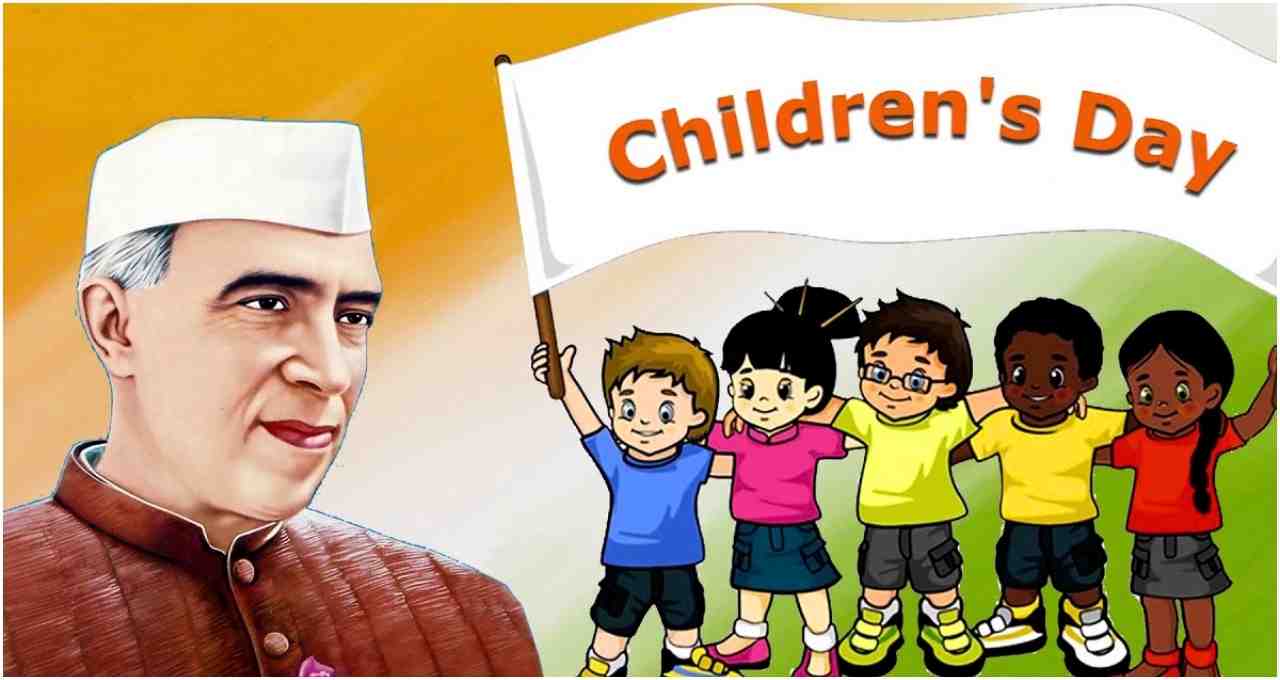
Children's Day is celebrated across India every year on November 14th, dedicated to our first Prime Minister, Pandit Jawaharlal Nehru. Nehru was known for his affection towards children and his approach to education. The tradition of celebrating this day as Children's Day began after his demise in 1964. His dedication to education and moral values among children is remembered even today.
Early Education and Family Influence
Jawaharlal Nehru was born on November 14, 1889, in Allahabad. His family was educated and influential. His father, Motilal Nehru, was a renowned lawyer and freedom fighter, while his mother, Swarup Rani Nehru, fostered an atmosphere of love and discipline at home. Nehru's childhood was curious and studious. From a young age, he had a deep interest in science, history, and books.
Journey of Higher Education Abroad
Nehru pursued his further studies in England. He first received education from Harrow School and then Eton College. Later, he obtained a Bachelor's degree from Cambridge University and an M.A. from Oxford University. Subsequently, he completed his law studies at Inner Temple, London, becoming a barrister. This education and experience proved crucial in shaping his leadership and modern thinking.
Commitment to National Service and Contribution to Independence
After completing his studies abroad, Nehru returned to India and began practicing law. However, his heart was drawn towards the country's independence. After coming into contact with Mahatma Gandhi, he became active in the freedom movement and gradually emerged as a prominent leader in Indian politics. His educated perspective and global experience gave new direction to Indian nationalism.