Ear problems are common in children during winter months, and neglecting them can lead to serious infections and hearing impairment. Symptoms such as sharp ear pain, discharge of water or pus from the ear, high fever, and inflammation around the ear are indicators requiring immediate attention.
Children’s Ear Care in Winter: Winter often exacerbates ear issues in children, potentially leading to significant health complications. According to Dr. Hanshu Bhutani of AIIMS Delhi, conditions like intense ear pain, discharge of water or pus from the ear, fever, and ear inflammation are emergency signs. Parents should prioritize protecting children from cold air, ensuring a balanced diet, and utilizing medications only under the guidance of a doctor to safeguard their hearing ability and overall health.




Common Problems Encountered
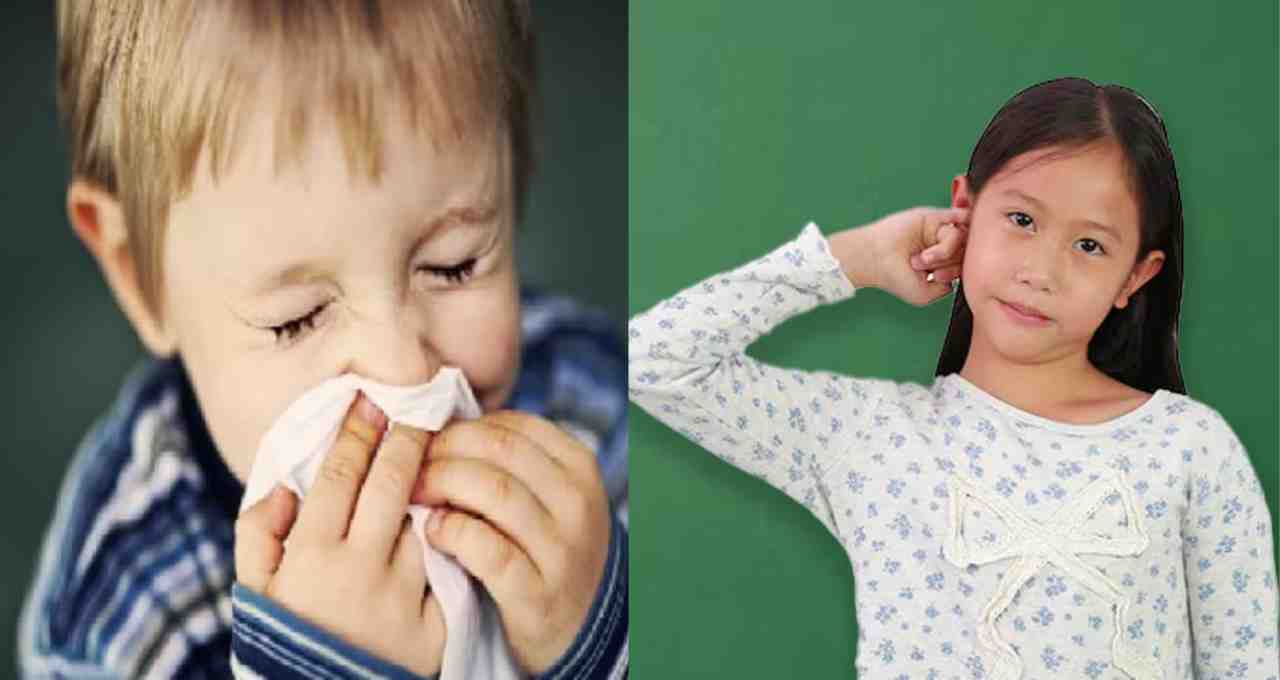
The most prevalent issue during winter is ear pain, which can be aggravated by colds or exposure to cold air. Additionally, itching, blockage, or a feeling of pressure in the ear is commonly experienced. In some cases, discharge of water or yellow liquid from the ear may indicate an infection. Prolonged nasal congestion or throat inflammation also increases the risk of middle ear infections.
When Does the Situation Become Serious?
Dr. Bhutani emphasizes that if a child experiences persistent and severe pain that doesn’t subside with medication, discharge of water, pus, or blood from the ear, or a high fever, it indicates a serious infection. Immediate medical attention is crucial if the child exhibits hearing weakness, swelling or redness around the ear, or experiences vomiting or dizziness.
How to Care for Children’s Ears During Winter
- Protect children’s ears from cold air and cover them when outdoors.
- Use steam or drops recommended by a doctor if the nose is congested.
- Never insert oil, ghee, or home remedies into the ear.
- Provide warm soup, water, and light meals to strengthen the immune system.
- Avoid forceful nasal clearing, as it can put pressure on the ear.
- Prevent cold air from entering wet ears.
- Always use medications or drops only after consulting a doctor.
Timely care for children’s ears during winter not only prevents pain and infections but is also essential for preserving their hearing ability and overall well-being. Parents should ensure that the ear and nasal passages of their children are thoroughly protected.