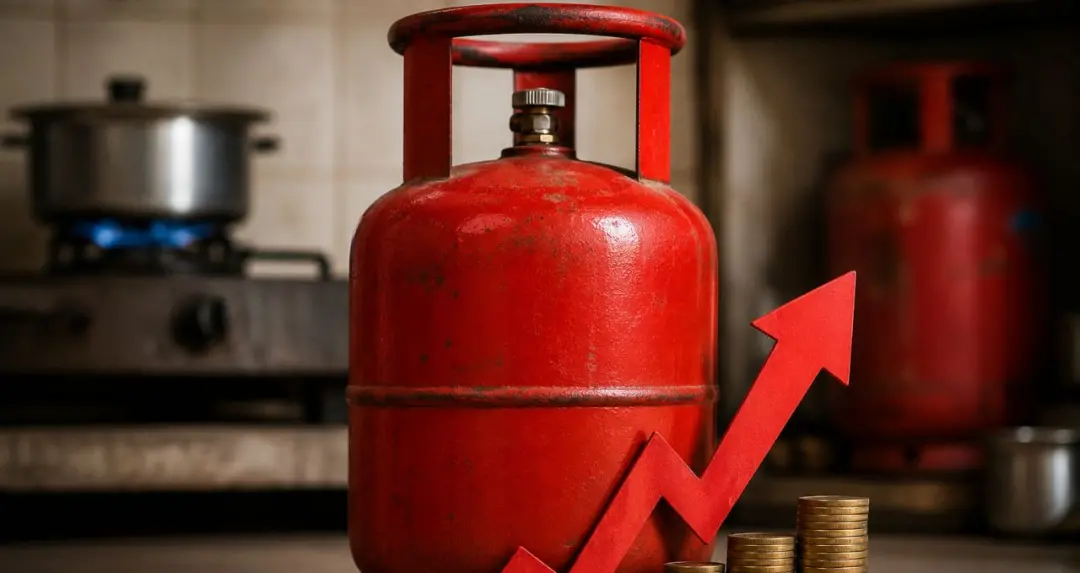
Domestic LPG cylinder prices have been increased by ₹29, raising the cost of a 14.2 kg household LPG cylinder in Delhi from ₹913 to ₹942. The revised prices came into effect nationwide from midnight following the announcement by state-owned oil marketing companies.
The latest revision marks the second increase in domestic LPG prices within the past three months. Earlier, on March 7, cylinder prices were increased by around ₹60. As a result, household LPG prices have risen by approximately ₹89 over the three-month period.
According to oil companies, the latest increase has been implemented due to rising costs in international energy markets and changes in import expenses. Fluctuations in global LPG prices, higher crude oil prices, and the depreciation of the rupee against the US dollar have affected overall fuel costs in India.
Sources said state-owned oil marketing companies were incurring losses of around ₹703 per domestic LPG cylinder. The partial price increase has been undertaken to reduce this gap, although companies stated that the revision does not fully compensate for the cost differential. They indicated that future price revisions cannot be ruled out.




The increase in household LPG prices is expected to affect monthly household budgets, particularly as a large section of the population relies on LPG for cooking, especially in urban and semi-urban areas.
Experts noted that food inflation remains elevated and that the latest LPG price increase could add further pressure on household expenditure. Higher cooking gas prices may also have an indirect impact on small businesses, roadside eateries, and street food vendors, which may be compelled to adjust product prices.
The LPG price revision follows increases in the prices of petrol, diesel, and compressed natural gas (CNG). In recent weeks, petrol and diesel prices have increased by a combined ₹7.50 per litre, while CNG prices have risen by around ₹6 per kilogram.
Oil companies stated that they are incurring losses of approximately ₹11 per litre on petrol and about ₹33.6 per litre on diesel. They maintained that the full impact of increases in international crude oil prices has not been passed on to consumers, with a portion of the burden being absorbed by the oil marketing companies.
LPG pricing in India is determined by multiple economic and policy factors. International LPG prices are a key consideration because India imports a significant portion of its requirements. The dollar-rupee exchange rate also plays an important role, as international purchases are denominated in US dollars.
The final consumer price also incorporates costs related to LPG imports, transportation, storage, bottling, and distribution. Oil marketing companies review these factors along with prevailing market conditions while revising prices periodically or as required.
Government tax policies and subsidy mechanisms also influence the final retail price. However, significant changes to the subsidy framework in recent years have resulted in most consumers paying rates close to market prices.
Global energy markets have remained volatile due to geopolitical tensions, supply chain disruptions, and fluctuations in crude oil demand. For import-dependent countries such as India, domestic fuel prices remain closely linked to developments in international markets.
Experts said domestic fuel prices may continue to fluctuate until global energy markets stabilize. A ber US dollar has also increased import costs, contributing to higher consumer prices.
Rising LPG prices could create longer-term financial challenges for middle-income and lower-income households, potentially forcing families to reduce spending in other areas of their monthly budgets.
The increase could also affect the pace of LPG adoption in rural areas, where usage has been expanding gradually. The situation is considered a challenge for government initiatives aimed at promoting cleaner cooking fuels.
Economic experts said LPG prices in the coming months will remain dependent on trends in international energy markets. If crude oil and gas prices stabilize, domestic prices may also see greater balance. However, continued volatility in global markets could lead to further price increases for consumers.
The government and oil marketing companies are continuing efforts to balance consumer affordability with the need to reduce losses incurred by fuel retailers.