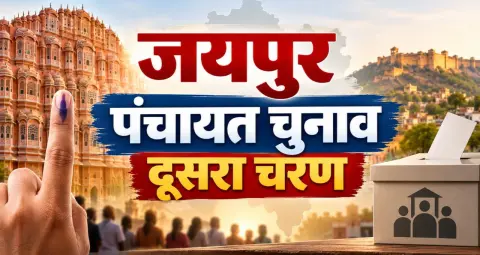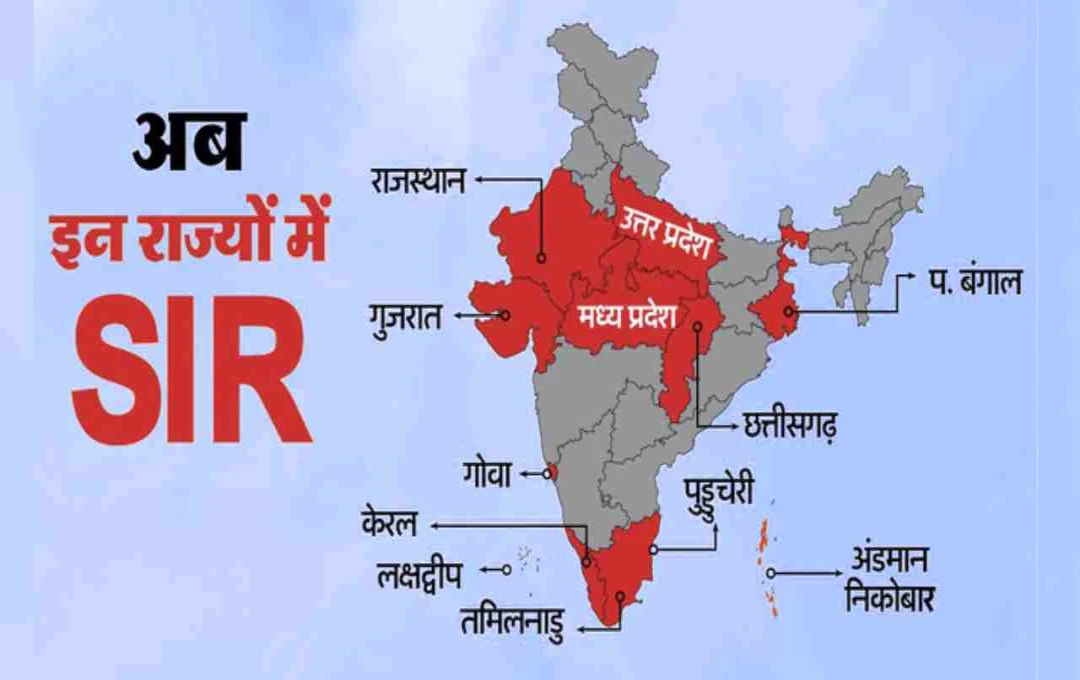
With the announcement of the special intensive revision of electoral rolls in 12 states and Union Territories across the country, the electoral rolls for all these states and Union Territories were frozen from midnight on Monday.
Nationwide SIR: The Election Commission of India (ECI) has announced the second phase of the Special Intensive Revision (SIR 2.0) of electoral rolls in 12 states and Union Territories across the country. According to the Commission, this process will be completed by February 7, 2026, and a new electoral roll will be released on that day.
Chief Election Commissioner Gyanesh Kumar stated in a press conference that the electoral rolls for all these states have been “frozen” from midnight on Monday. This means that any amendment, deletion, or addition/subtraction will now only be permitted as per the rules of the revision process.
What is SIR 2.0 and why is it necessary?



The objective of SIR 2.0 is to make electoral rolls across the country updated, transparent, and error-free. Under this process, voters' names will be matched in each state, taking the previous intensive revision (between 2002-2004) as the base. By comparing with old records, it will be ensured that no person's name has been wrongly duplicated or removed.
The ECI states that the electoral roll is the backbone of electoral transparency. If the list is not accurate, the credibility of the democratic process is affected. Therefore, this time the Commission has strengthened verification and scrutiny at every level.
Frozen Rolls and the Role of BLOs
Following the freeze, Booth-Level Officers (BLOs) will now provide a special “Enumeration Form” to all voters in these states. These forms will have the voter's name, address, and other necessary details pre-filled. Voters will need to check if their name or their parents' name was in the old SIR (2002-2004 list).
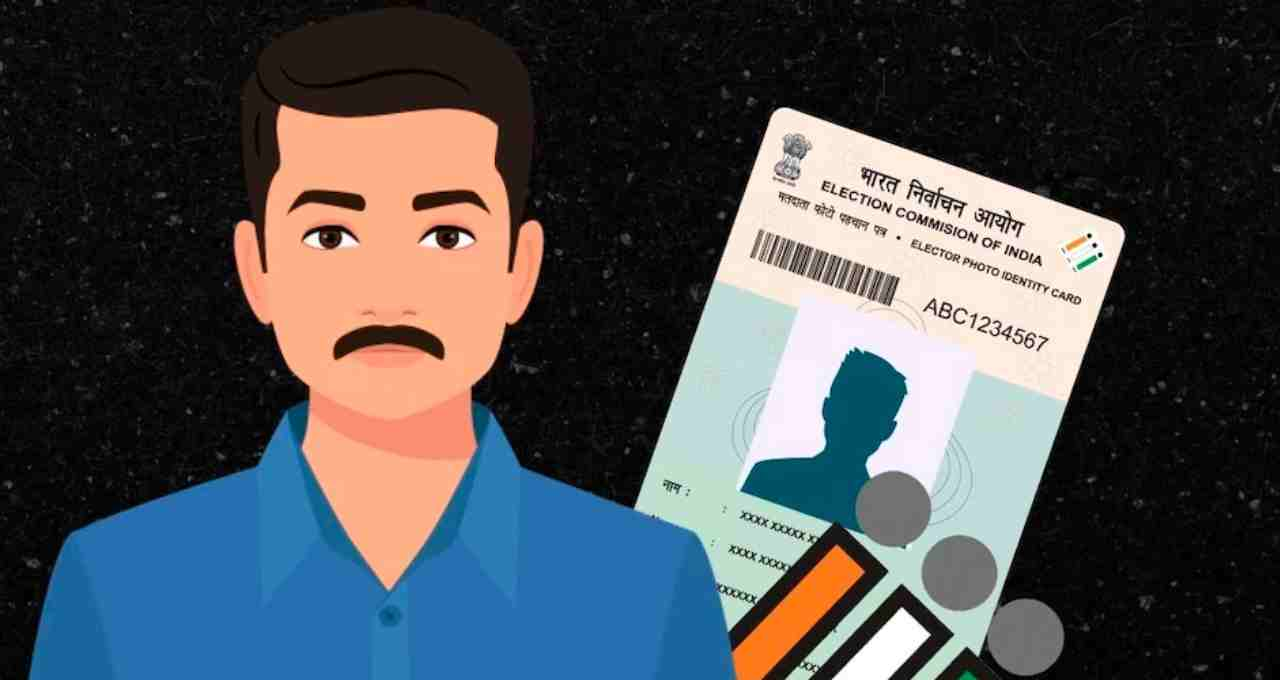
If the name already exists, no additional document is required. If the name is new, one of the 12 prescribed documents must be provided to prove identity and eligibility. The BLO will visit each voter's home a maximum of three times. If a person is not found available, the BLO will revisit to verify. Additionally, the BLO will also check if the voter's name is in the list of any other constituency.
Clarification on Aadhaar Card
In line with the Supreme Court's directives, the Commission has included the Aadhaar card in the list of 12 approved documents. However, the Chief Election Commissioner has clearly stated that Aadhaar is merely an identity card, not proof of residence, citizenship, or date of birth. Under Section 9 of the Aadhaar Act, Aadhaar is not considered proof of citizenship. The Supreme Court has also reiterated several times that it is only a means of identification and can be used for e-signatures and authentication.
When journalists asked why this process was not implemented in BJP-ruled Assam, the Chief Election Commissioner stated that a separate legal process related to citizenship verification is ongoing in the state, which is under the supervision of the Supreme Court. Therefore, a separate date and order for SIR 2.0 in Assam will be issued later.
Who can register
Voters can also fill out online forms if they wish. If a person's name or their parents' name is not on the 2003 list, the Electoral Registration Officer (ERO) will determine eligibility based on the 12 documents. Even after the final list is issued, any voter or resident can appeal to the District Magistrate. If dissatisfied, a second appeal can be filed with the State's Chief Electoral Officer (CEO) within 15 days.
- According to Article 326 of the Constitution,
- Every Indian citizen,
- who is 18 years of age or older,
- who is a permanent resident of the concerned constituency,
- and who has not been disqualified in any legal matter,
is eligible to register their name in the electoral roll. The Commission has also directed that no polling station should have more than 1,200 voters. To avoid overcrowding, new polling stations will be established in high-rise buildings, gated colonies, and slum areas.