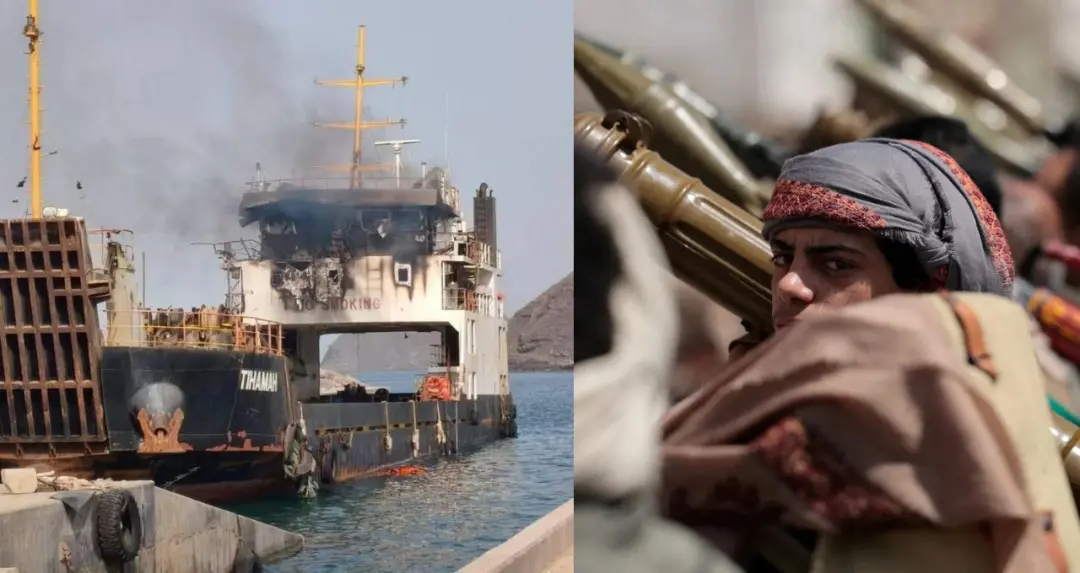
The Houthis attacked a cargo ship in the Red Sea with ballistic missiles, according to Yemen’s internationally recognised government. Six people were killed and 10 others were injured, while the vessel caught fire. The attack has been described as the Houthis’ first deadly maritime attack since the war involving Iran began.
According to Yemen’s Transport Ministry, the vessel was targeted with three ballistic missiles south of Yemen’s Mokha port. Initial information indicated that four crew members were killed, including three Pakistani nationals and one Indonesian national. A rescue operation was launched in the maritime area following the attack.
Yemen’s coast guard claimed that rescuers who arrived to evacuate people from the vessel were also targeted by a second missile. The attack caused further casualties among those involved in the rescue operation. Earlier, maritime risk management company Vanguard said the Yemeni navy had sent a team to assist the vessel but that the team also came under fire. Three additional people were reported injured during the incident.
Images circulated on social media showed the vessel with extensive damage. A BBC Verify investigation said the ship shown in the images appeared to be in the vicinity of the Bab al-Mandab Strait, which lies between the Red Sea and the Gulf of Aden and is an important route for global maritime trade.



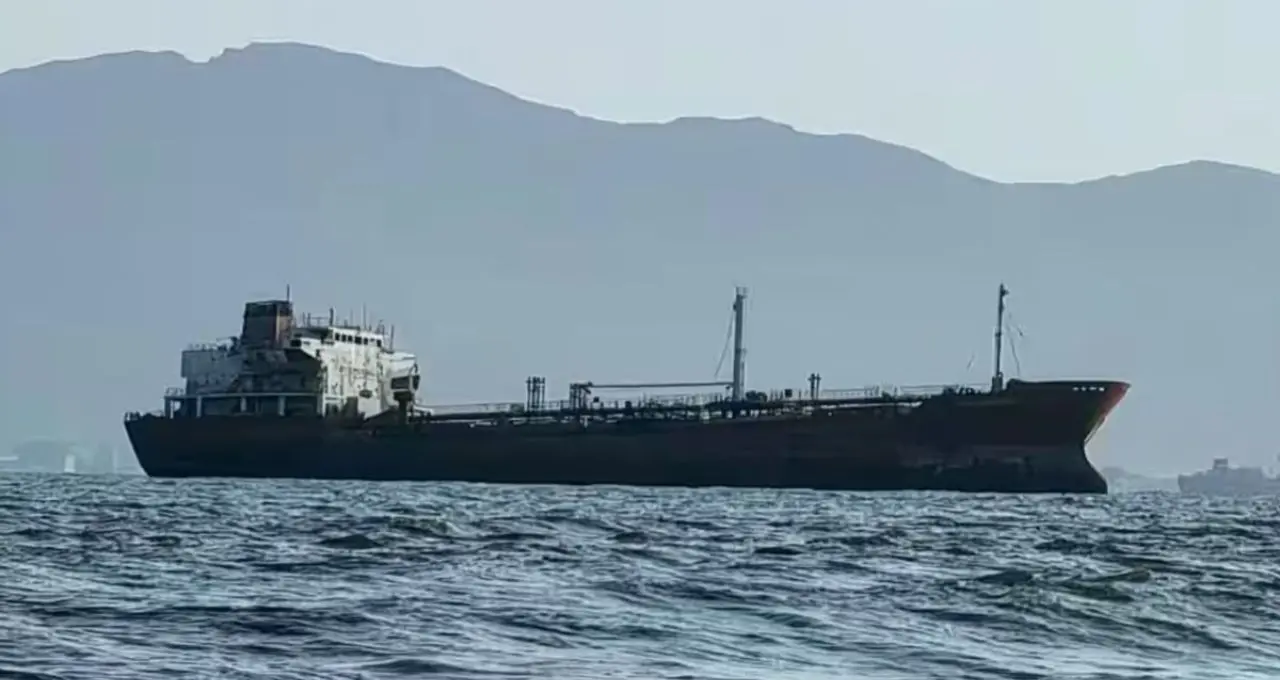
Based on available images and ship-tracking information, the damaged vessel was identified as Tihama. According to MarineTraffic, the ship was near Warner Point in the Red Sea. Vanguard described it as a Tanzanian-flagged vessel, while MarineTraffic information indicated that its ownership or operation was linked to an operator associated with Egypt.
Different claims have emerged regarding the vessel’s identity and affiliations. Yemen’s Transport Ministry described it as a Yemeni commercial ship, while initial reports in Iranian media described it as being associated with Saudi Arabia. The Houthis claimed that the vessel they targeted was carrying Saudi military equipment.
Yemen’s government, however, said the ship was a commercial vessel carrying food supplies. The conflicting claims have left the nature of the vessel’s cargo and its actual operation unclear.
The attack has been described as the Houthis’ first deadly attack on a ship since the United States and Israel began attacks on Iran on February 28. The Iran-backed Houthi organisation has previously targeted vessels in the Red Sea and threatened to affect maritime routes during the regional conflict.
In recent developments, the Houthis announced what they described as a naval blockade against Saudi ports. Concerns subsequently increased over the security of oil tankers and other commercial vessels in the Red Sea.
The Houthis and Yemen’s internationally recognised government have been in conflict for years. The Houthis control large parts of northwestern Yemen, including the capital, Sana’a. The internationally recognised government operates its administration from the southern city of Aden.
A prolonged ceasefire arrangement between the two sides had helped contain the conflict to some extent. Recent developments have again increased tensions, with political and military tensions inside Yemen affecting maritime security in the Red Sea.
The current tensions in the Middle East are not limited to the Red Sea. Amid the conflict involving Iran, international concern also remains over the Strait of Hormuz, one of the world’s most important energy trade routes, through which a significant share of global oil and liquefied natural gas supplies passes.
Prolonged instability in key maritime routes such as the Red Sea and Strait of Hormuz could affect global trade and energy supplies. Shipping insurance costs, freight expenses and pressure from longer maritime journeys could increase, affecting trade between Asia, Europe and the Middle East.
The deaths of Pakistani and Indonesian nationals in the latest attack have added an international dimension to the incident. The attack on a commercial vessel and the alleged targeting of rescuers have raised concerns over maritime security.
Although the Houthis said the vessel was carrying Saudi military equipment, Yemen’s government said it was a commercial ship carrying food supplies. The differing claims mean that the purpose of the attack and the nature of the vessel’s cargo remain subject to investigation.
Claims surrounding the attack on the Tihama are still being examined. Different information has also emerged regarding the vessel’s nationality, ownership and cargo. Six deaths and multiple injuries have nevertheless been reported in the incident, highlighting the renewed security concerns surrounding maritime activity in Yemen and the Red Sea.