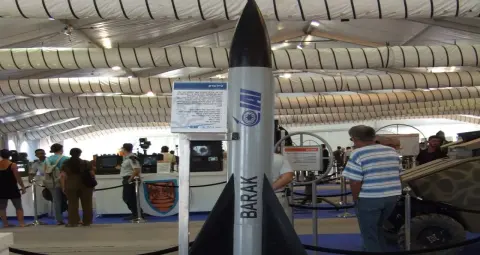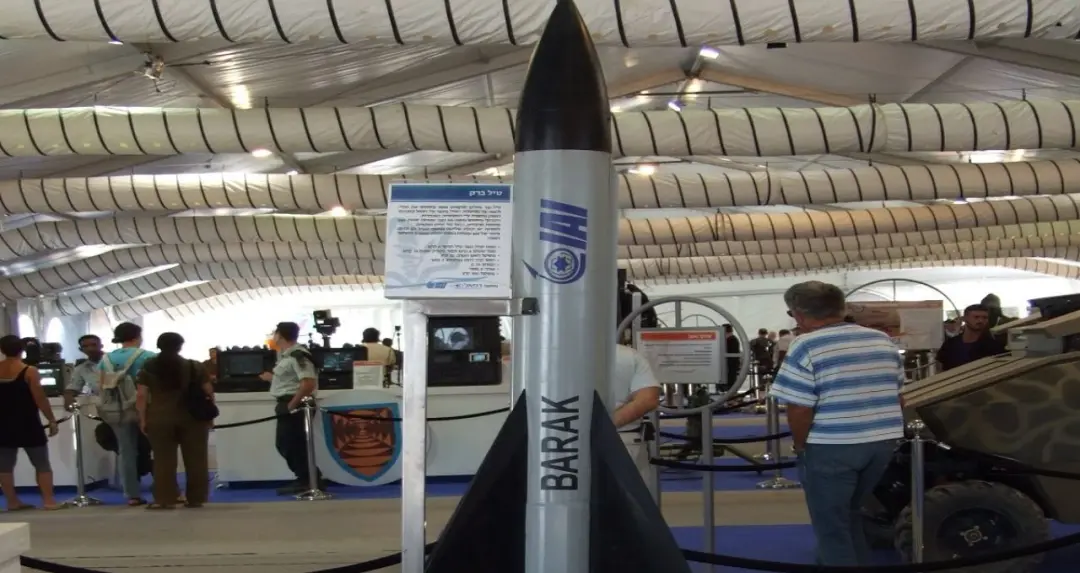
The Indian Navy's Barak-1 missile systems installed on its warships are set for an upgrade after India signed a ₹1,976.40 crore agreement with Israel Aerospace Industries (IAI). The missile system is designed to protect warships against combat aircraft and enemy missiles at sea. Under the agreement, outdated equipment will be replaced with technologically upgraded components.
The agreement was signed in New Delhi on November 18, 2026, in the presence of Defence Secretary Rajesh Kumar Singh. According to the Defence Ministry, certain components of the Barak-1 system have become obsolete. The agreement aims to replace these components with new equipment and ensure the system remains operational for an extended period.
The Indian Navy has been operating the Barak-1 missile system for several years. The system is installed on warships to counter incoming enemy missiles and combat aircraft approaching the vessels.
However, several electronic components used in the Barak-1 system have become outdated. Some of the parts are no longer being manufactured, making their replacement and repair difficult in the event of a malfunction.
Under the new agreement, these obsolete components will be replaced. Necessary modifications will also be carried out to the system's hardware and software. These changes are expected to make the maintenance of the missile systems installed on warships easier.
The upgrade is also necessary because warships deployed at sea must continuously monitor potential aerial threats in their surroundings. Periodic equipment replacement is required to ensure that technical failures do not affect their security systems.




However, details regarding the commencement of the upgrade programme and the timeline for installing the new equipment across all relevant warships have not yet been disclosed.
The Barak-1 is an Israeli-developed surface-to-air missile designed primarily to provide close-range protection to naval warships.
The missile has a reported operational range of approximately 500 metres to 12 kilometres and can reach speeds of around Mach 2.1. This means it can travel at more than twice the speed of sound.
The Barak-1 is launched vertically from a warship. After ascending, it manoeuvres towards its designated target. This launch mechanism is known as a Vertical Launch System (VLS).
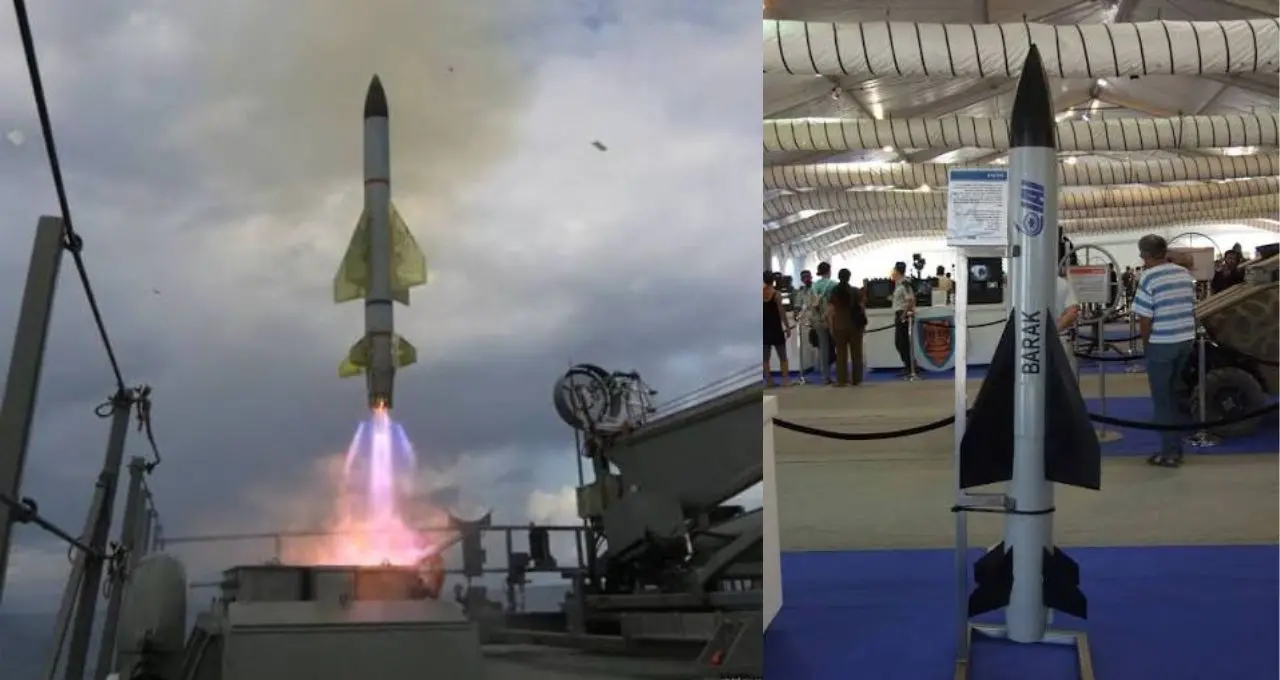
A standard launch module can generally accommodate eight missiles. During flight, the missile can also receive guidance instructions to adjust its direction towards the target.
Warships at sea face aerial threats from sources beyond other naval vessels. Combat aircraft and anti-ship missiles flying close to the sea surface can also pose a threat.
Several anti-ship missiles operate at extremely low altitudes, making their timely detection and interception important for warship protection. Naval vessels therefore carry different weapon systems designed to operate at varying engagement ranges.
The Barak-1 is used to counter aerial threats approaching a warship at close range. It forms part of the vessel's overall defence system.
However, its effectiveness during an attack depends on several factors, including the speed, distance and direction of the incoming weapon.
An aerial attack on a warship can occur with little warning. The response time available to detect and intercept anti-ship missiles approaching at low altitudes can be particularly limited.
Consequently, the air defence systems installed on naval vessels need to remain fully operational. The modernisation of the Barak-1 system is intended to address this requirement.
According to the Defence Ministry, the upgrade will improve the aerial defence capabilities of Indian Navy warships. However, the government has not yet clarified the operational range of the upgraded system.
Alongside the modernisation of its existing foreign-origin missile systems, India is also working on indigenous alternatives.
The Defence Research and Development Organisation (DRDO) has developed the Vertical Launch Short Range Surface-to-Air Missile (VL-SRSAM). The missile is designed to protect warships against aerial threats approaching at close range.
The DRDO and the Indian Navy successfully tested the missile off the coast of Chandipur in Odisha on March 26, 2025.
The indigenous missile system could potentially become an alternative to the Barak-1 in the future. However, the final timeline for its deployment as a replacement for the Barak-1 has not yet been clarified.
For now, both initiatives remain part of the Indian Navy's efforts, with the existing missile system undergoing modernisation while indigenous defence technology continues to be developed.