Iran has reiterated that it will retain its authority over the strategically significant Strait of Hormuz, stating that the 60-day exemption on maritime service tolls under the recent Memorandum of Understanding (MoU) with the United States is only a temporary arrangement and does not represent any compromise on its sovereignty or control over the waterway.
Iranian Parliament Speaker Mohammad Bagher Ghalibaf said in remarks to Iranian state media that the Strait of Hormuz is part of Iran's territorial waters and that the country's sovereignty over it will remain intact. He also alleged that the United States was attempting to create an unnecessary dispute over the issue.
Ghalibaf said the Strait of Hormuz is Iran's greatest strategic and economic asset. According to him, the waterway has proved to be "a gift from God" for Iran during periods of war and crisis. He also rejected longstanding U.S. allegations that Iran has militarized the strait, stating that Iran has the right to protect its territorial waters in accordance with international law.
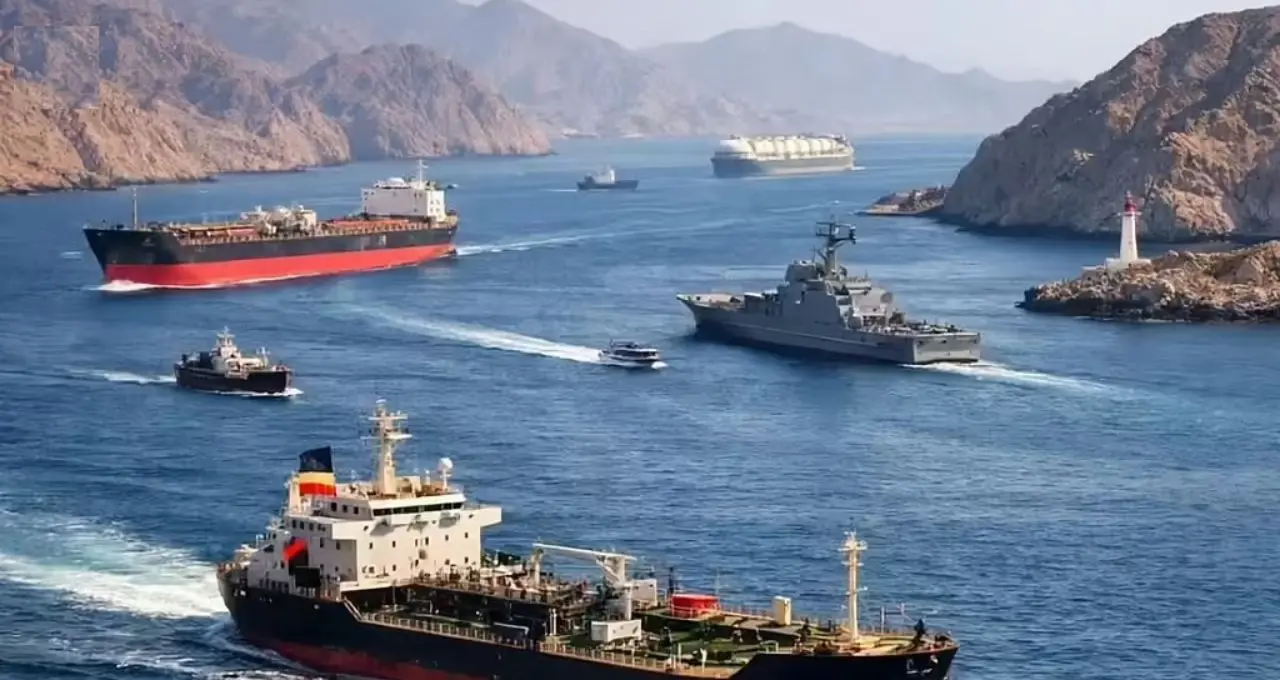
According to the latest data from maritime monitoring company Kpler, a total of 40 vessels transited the Strait of Hormuz on Monday, including 16 that used Iranian maritime routes. Ship movements had been affected in recent weeks due to regional tensions and security concerns, but traffic has gradually begun to recover. The development is regarded as a positive signal for global energy markets, as a significant share of the world's crude oil and gas shipments passes through the strait.
Iran has also reiterated its conditions for advancing the peace process with the United States. Tehran has maintained that approximately $6 billion (around ₹57,000 crore) in Iranian assets frozen overseas must be released before any further progress can be made in the next phase of a peace agreement.
Iranian officials said that unless the funds are made available, it will not be possible to proceed with the next stage of the peace process. Tehran maintains that its financial assets should be restored under previously agreed arrangements.


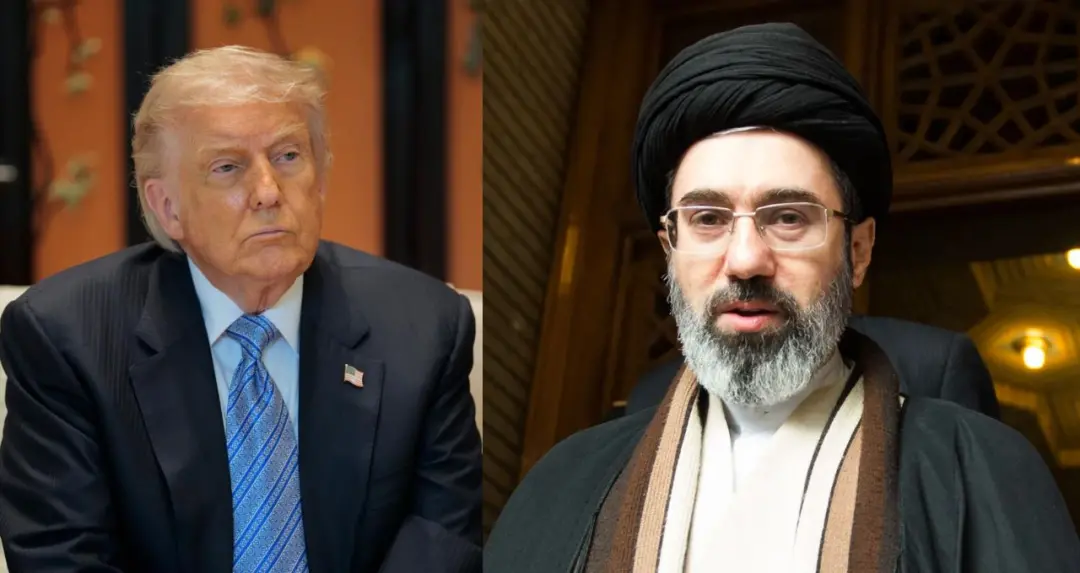
Iranian President Masoud Pezeshkian also clarified the government's position on the Memorandum of Understanding with the United States, stating that the agreement was concluded only after receiving approval from Supreme Leader Ali Khamenei.
The president said every significant diplomatic initiative undertaken by the government proceeds only with the consent of the country's highest leadership, indicating that the current agreement has the full backing of Iran's governing establishment.
As part of ongoing diplomatic efforts between the United States and Iran, delegations from both countries have arrived in Doha, Qatar.
However, Iran has stated that there are currently no plans for direct political negotiations with the United States. Iranian Foreign Ministry spokesperson Esmail Baghaei said the Iranian delegation's visit is intended solely to implement the recent interim agreement and discuss technical issues, including Iran's frozen overseas assets and other administrative matters.
Qatar also stated that the U.S. delegation would meet only with mediators and that no direct talks between the two countries had been scheduled.
Israel has arrested a 20-year-old American citizen on allegations of spying for Iran.
According to local media reports, the suspect is accused of photographing and recording videos of sensitive Israeli military and strategic sites and passing them to an individual linked to Iran. Investigating agencies have claimed that the suspect received payments ranging from tens to hundreds of dollars for each assignment.
Reports said the individual was arrested on June 9, and prosecutors have initiated formal legal proceedings. The U.S. Embassy in Israel has not issued any public response to the case.
A planned rally by the National Council of Resistance of Iran (NCRI/MEK) in France was cancelled due to security concerns.
According to media reports, intelligence agencies received information about a possible bomb threat targeting the event. Based on that information, French authorities cancelled the rally a few hours before it was scheduled to begin.
Reports have also claimed that supporters of Reza Pahlavi, the son of Iran's former Shah, and the NCRI are competing for leadership of the Iranian opposition abroad. However, those claims have not been independently verified.
Iranian state broadcaster IRIB has claimed to have released a video related to an alleged U.S. missile strike on a primary school in Minab.
Iranian media said the footage was recorded minutes after the alleged attack and showed the bodies of children. IRIB has accused the United States of carrying out the strike through posts on social media. However, the broadcaster's claims and the authenticity of the video have not been independently verified internationally.
Iran's reaffirmation of its position on the Strait of Hormuz comes as tensions in West Asia remain unresolved.
The waterway is one of the world's most significant maritime routes for global oil and gas supplies. Experts believe that successful diplomatic efforts between the United States and Iran could contribute to regional stability and provide relief to global energy markets.
They also state that renewed tensions could affect international oil prices, maritime trade, and the global economy. While both sides have indicated that diplomatic channels remain open, Iran has maintained that it will not compromise on issues concerning its sovereignty, authority over the Strait of Hormuz, or its economic interests.