Israel Election 2026: No Clear Majority as Netanyahu Bloc Leads With 53 Seats
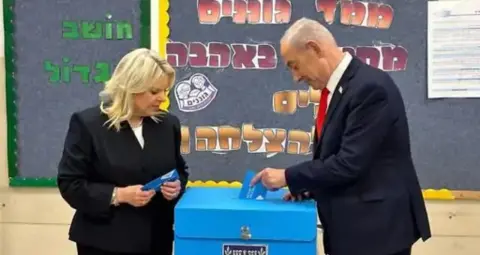
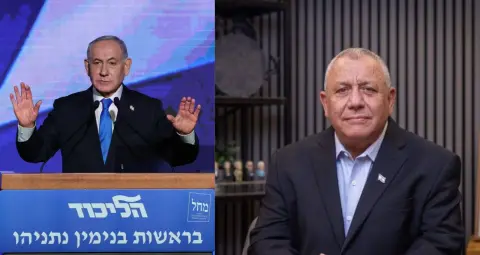
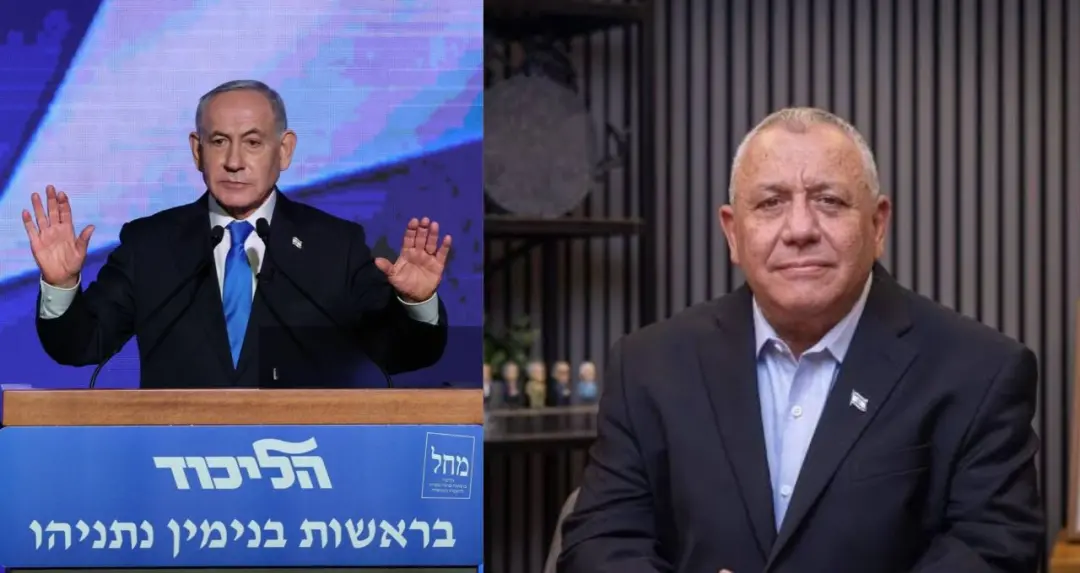
Israel's October 27 general election has yet to produce a clear path to forming a new government. With approximately 90% of the votes counted, Prime Minister Benjamin Netanyahu's bloc is leading with 53 seats, while the bloc led by opposition leader Gadi Eisenkot is projected to win 48 seats. Neither side is close to the 61 seats required for a parliamentary majority. Arab parties are projected to win 19 seats, potentially giving them a decisive role in government formation.
Israel's parliament, known as the Knesset, has 120 seats. A government requires the support of at least 61 lawmakers. Based on the current trends, Netanyahu's bloc needs eight additional seats to secure a majority, while Eisenkot's bloc is 13 seats short.
Netanyahu's Likud party is emerging as the largest single party, with a projected 26 seats. Eisenkot's Yashar party is in second place with 21 seats. However, being the largest party does not automatically guarantee the formation of a government. Both blocs will need support from other parties to reach the required majority.
Arab parties have emerged as a key factor in the election. The Joint List is projected to win 12 seats, while the Ra'am party is expected to secure seven, bringing their combined total to 19 seats.




The projected result would represent a significant achievement for Arab-led parties in Israel's electoral history. Following the previous election, the two parties held a combined total of 10 seats.
If Arab parties support the opposition bloc, a change of government could become possible. However, Eisenkot and several of his allies have previously ruled out forming a government with Arab parties. This position could complicate government formation even if the opposition can assemble the necessary parliamentary numbers.
The Joint List, an alliance of Arab parties, has expressed willingness to cooperate with the opposition to remove Netanyahu's government from power. The alliance said its supporters turned out in large numbers in the election. It also indicated that it would support efforts to change the government's existing policies and establish an alternative administration.
Yair Golan, leader of the opposition Democrats party, has also supported talks with Arab parties. He said opposition parties should work together to find a way to change the government.
The counting of double-envelope ballots began in Israel on Thursday, October 29. These ballots include votes cast by soldiers, diplomats, medical workers and people who voted at locations other than their designated polling stations.
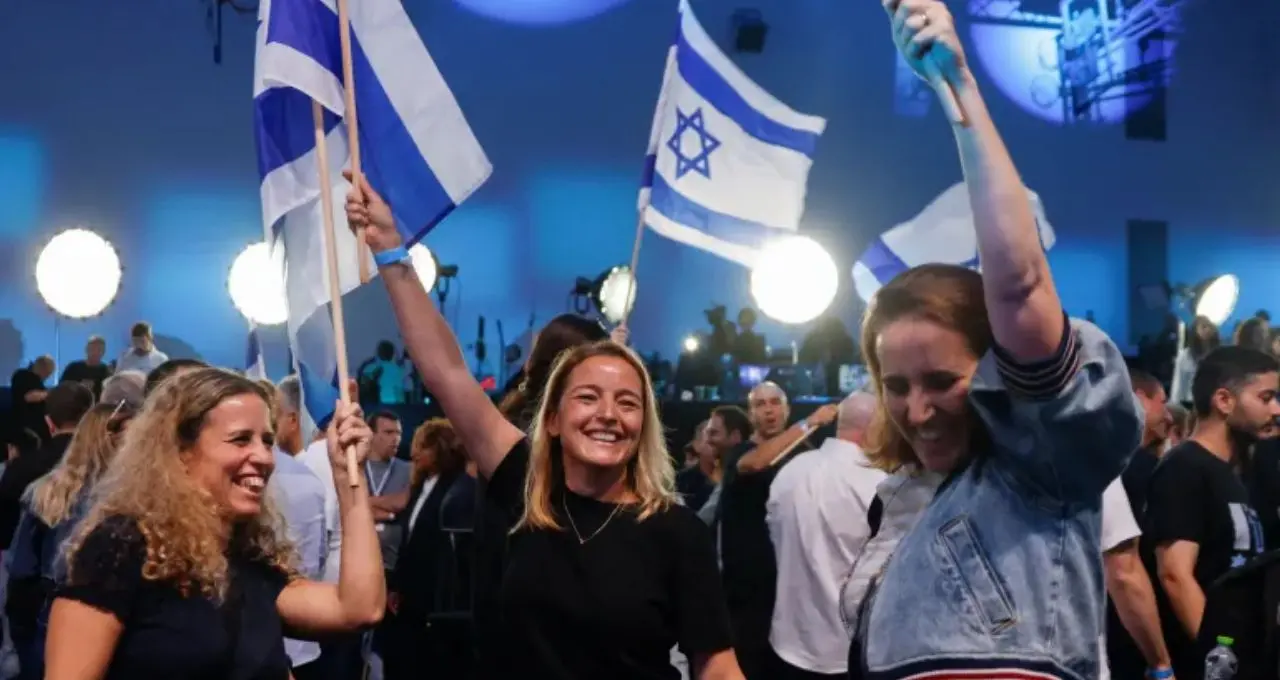
Under this procedure, a voter's ballot is placed inside one envelope, which is then enclosed in a second envelope bearing the voter's identifying information. Election officials first check whether the voter has already cast a ballot. The outer envelope is then removed, and the vote is counted while preserving ballot secrecy.
More than 500,000 such ballots are reportedly yet to be counted. The final seat distribution could change once the counting process is complete.
Unlike India, Israel does not directly elect candidates from individual parliamentary constituencies. Voters cast their ballots for political parties, each of which publishes a list of candidates before the election.
Parliamentary seats are allocated to parties in proportion to the votes they receive nationwide. A party must secure at least 3.25% of the valid votes to qualify for seats. Parties that fall below this threshold do not receive any seats.
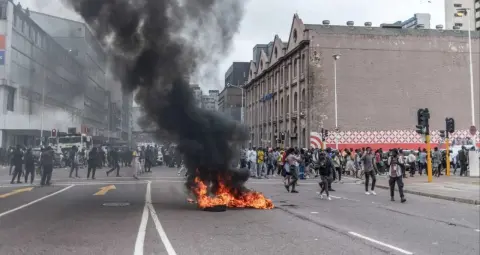
Amid the election results, approximately 300 people demonstrated in Jerusalem, Tel Aviv and Haifa. The demonstrators called for the formation of a government that includes political representation for both Jewish and Arab communities.
Meanwhile, reports emerged suggesting that Ido Norden, Netanyahu's acting chief of staff, could be removed from his position. The Prime Minister's Office denied the reports.
After the final election results are announced, President Isaac Herzog will hold consultations with political parties. Based on those consultations, a leader will be given the opportunity to form a government.
For now, Netanyahu will remain caretaker prime minister. The final distribution of seats and the opposition's ability to secure support from Arab parties will determine which bloc can form Israel's next government.