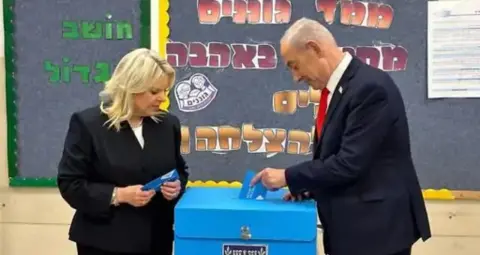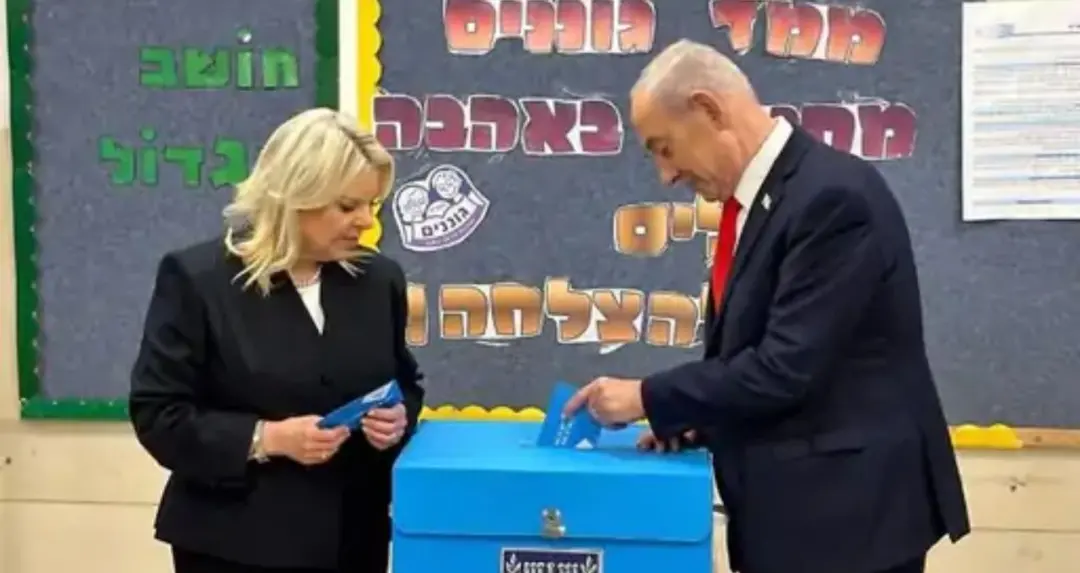
Voting is underway in Israel to elect a new parliament, with 31.5% of eligible voters having cast their ballots by noon local time on Tuesday. According to the Central Elections Committee, the figure represents the highest turnout recorded by that time since 1977. Prime Minister Benjamin Netanyahu faces a challenge from former military chief Gadi Eisenkot as voters decide the composition of the next Knesset.
Polling stations opened in the morning, with 16.7% of voters having cast their ballots by 10 a.m. Approximately 1.2 million people voted during the first three hours. Turnout subsequently rose to 31.5% by noon. Polling is scheduled to continue until 10 p.m., after which vote counting and the process of forming a new government will begin.
The turnout recorded by noon is higher than the corresponding figure in the 2022 election, when 28.4% of voters had cast their ballots by the same time.
However, the current figure does not represent an all-time record for midday turnout. Historical election data show that turnout had reached 33.1% by noon in 1973. The latest figure is therefore the highest recorded at that point in the day since 1977.
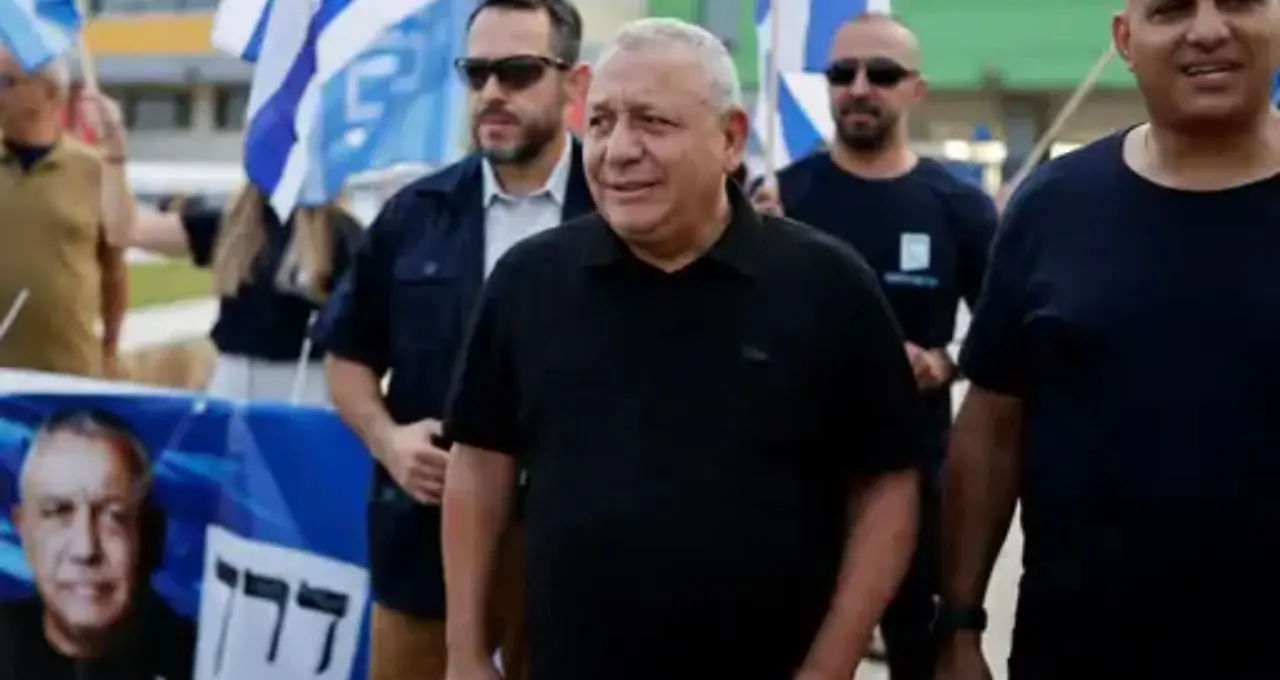
Netanyahu is seeking to remain in power with the support of his Likud party and right-wing allies. Eisenkot, a former chief of staff of the Israel Defense Forces, is campaigning through his Yashar party, promising political change.


Several pre-election polls have projected that opposition parties led by Eisenkot could secure more seats than Netanyahu's coalition. However, neither political bloc is assured of winning an outright majority. Smaller parties and coalition negotiations following the election could therefore play a significant role in determining the next government.
Israel's parliament, known as the Knesset, has 120 seats. A government requires the support of at least 61 lawmakers to secure a parliamentary majority.
Voters do not elect the prime minister directly. Instead, they vote for political party lists, and parliamentary seats are allocated to parties in proportion to their share of valid votes nationwide.
A party must secure at least 3.25% of valid votes to qualify for parliamentary representation. After the election, the president gives the mandate to form a government to the leader considered most likely to secure majority support in the Knesset.
The Hamas-led attack in October 2023 and the failure of Israel's security apparatus to prevent it have emerged as major election issues. Opposition leaders have accused Netanyahu's government of failing to establish accountability for security vulnerabilities identified before the attack.
Eisenkot and other opposition figures are calling for an independent national commission of inquiry. Netanyahu, meanwhile, has highlighted his military and security-related decisions during the election campaign. Government accountability and future national security remain subjects of debate among voters.
Exemptions from military service for religious students belonging to Israel's ultra-Orthodox Jewish community, known as Haredi, have long been a source of political disagreement.
Some Israeli citizens argue that military service responsibilities should be shared across society amid continuing military conflicts. Political parties representing the Haredi community are part of Netanyahu's coalition, while opposition parties are calling for changes to military recruitment rules and an end to exemptions for religious students.
The issue could remain a source of political disagreement during negotiations to form the next government.
The role of the judiciary and the powers of Israel's Supreme Court have also featured in the election campaign. Netanyahu's government previously sought changes to the judicial system that prompted large-scale protests across the country.
Supporters of the proposed changes argued that they would strengthen the authority of elected representatives. Opponents maintained that the measures could undermine judicial independence. Opposition parties have pledged to review the disputed judicial changes if they come to power.
Netanyahu previously served in Sayeret Matkal, an elite special operations unit of the Israeli military. His elder brother, Yonatan Netanyahu, was killed in 1976 during the hostage-rescue operation at Entebbe in Uganda.
Eisenkot began his military career in the Golani Brigade and served as chief of staff of the Israel Defense Forces from 2015 to 2019. His son, Gal, was killed during the Gaza war in December 2023. The following day, his nephew, Maor Cohen Eisenkot, was also killed in the war.
Both leaders' military experience and personal losses connected to war have become part of their public profiles during the election campaign.
Once voting concludes, parliamentary seats will be allocated according to the parties' share of the vote. However, the leader of the party winning the largest number of seats will not automatically become prime minister.
If neither political bloc secures the support of at least 61 lawmakers, negotiations to assemble a governing coalition could be prolonged. Despite the higher turnout and early voting figures, the election outcome will determine whether Netanyahu remains in power or Eisenkot succeeds in forming a new government.