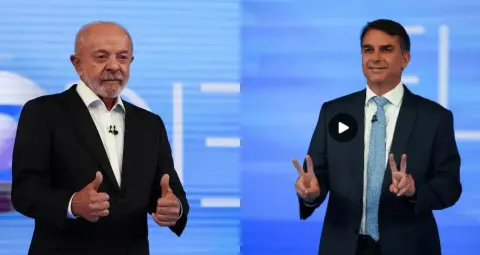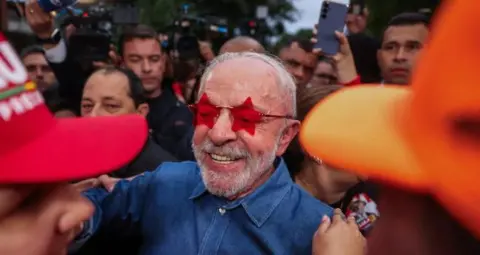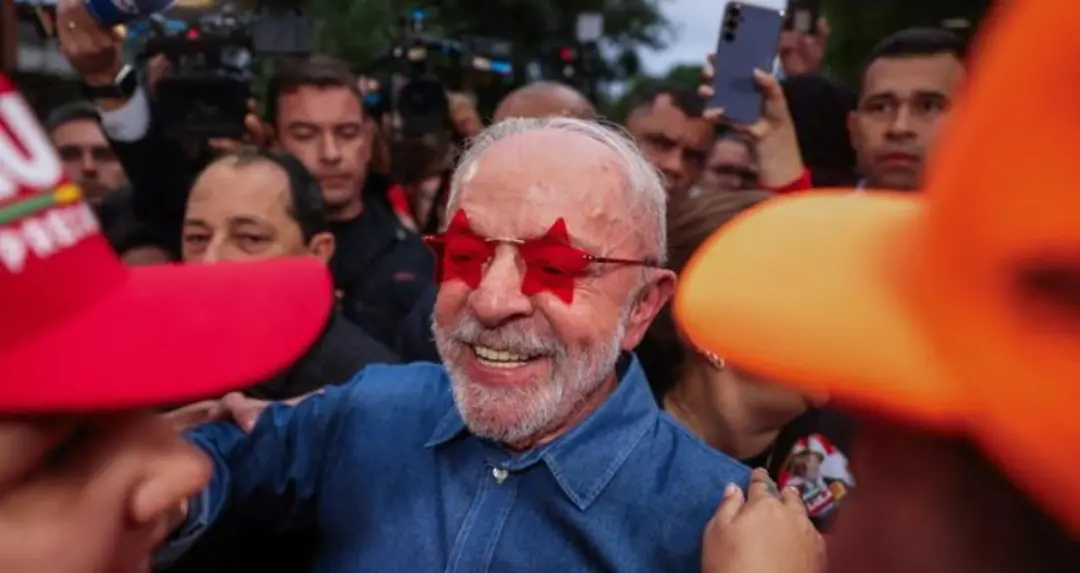
Brazilian President Luiz Inácio Lula da Silva, 80, has defeated Flavio Bolsonaro in the presidential election runoff, securing a fourth term in office. Despite trailing in the first round, Lula won the election with 51.8% of the vote against Flavio’s 48.2%, according to the reported results. His new term is scheduled to begin on January 5, 2027.
In the first round of Brazil’s presidential election, held on October 4, Flavio Bolsonaro secured 47.03% of the vote, while Lula finished second with 45.16%. The difference between the two candidates was approximately 2.2 million votes.
Lula reversed the deficit in the runoff, winning by approximately 4.4 million votes. According to the reported figures, this marks the first time since Brazil’s return to democracy in the 1980s that a presidential candidate has won despite finishing behind in the first round.
Brazil conducts its presidential elections in two rounds. If no candidate secures more than 50% of the valid votes in the first round, a runoff is held between the two leading candidates.



Before the second round, Lula intensified his campaign to mobilise young voters, low-income families and his traditional supporters. The share of voters who did not participate declined from 21.08% in the first round to 19.21% in the runoff. Support from Brazil’s northeastern regions also played a significant role in his victory.
Flavio Bolsonaro is the son of former Brazilian President Jair Bolsonaro, whom Lula defeated in the 2022 presidential election. Lula received 50.90% of the vote in that election, compared with Jair Bolsonaro’s 49.10%.
The Bolsonaro family is regarded as a close political ally of US President Donald Trump. The election therefore attracted attention in the United States and other countries. During his campaign, Lula emphasised Brazil’s sovereignty and an independent foreign policy.
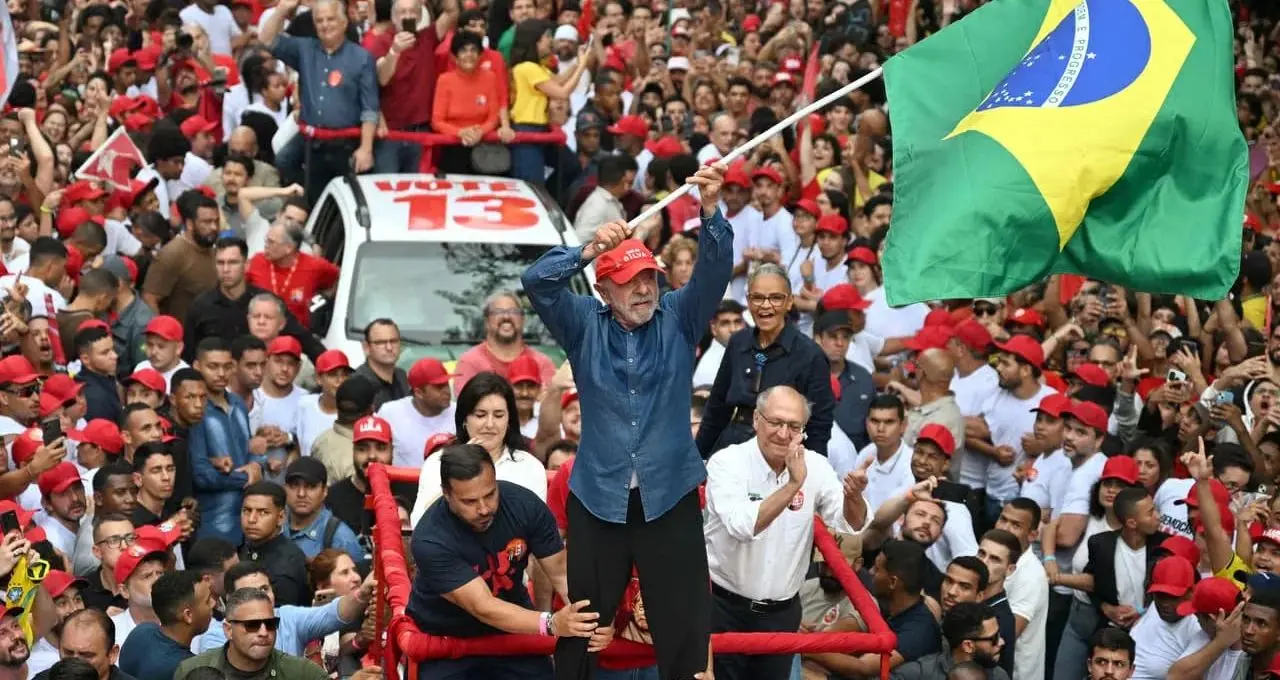
Lula began his political career through the labour movement. He first won the presidency in 2002 and secured re-election in 2006. After completing two consecutive terms, he left office in 2010.
In 2018, Lula was imprisoned in connection with corruption cases. A court subsequently annulled his convictions. He returned to the presidency after winning the 2022 election. His victory in 2026 marks another milestone in his political career.
The extension of voting hours during the second round also became a point of dispute. A Supreme Court judge authorised an additional two hours of voting at certain polling stations shortly before voting was due to end.
Flavio Bolsonaro questioned the decision and refused to accept the election results. He also demanded that the voting be annulled. Brazil’s electoral authority, however, confirmed Lula’s victory.
During his election campaign, Lula focused on improving the economic circumstances of families affected by inflation and workers. Before the election, his government increased assistance under the Bolsa Família programme for low-income families by 15%.
Other proposals included making public transport free on weekends and providing assistance to families facing debt-related difficulties. Implementing measures such as free public transport would require additional budgetary resources and political support.
Lula’s fourth term will begin with a legislature in which right-wing parties have increased their influence. Flavio Bolsonaro’s Liberal Party emerged as the largest party in both the lower house and the Senate. Lula will therefore need support from other parties to secure approval for major decisions.
Brazil’s public debt has exceeded 82% of gross domestic product (GDP). Interest rates remain high, while inflation is also a concern. Managing public finances while increasing expenditure on social programmes will be a key challenge for the incoming administration.
.