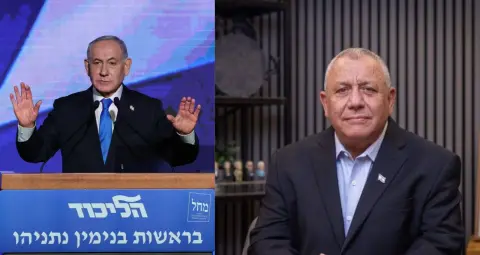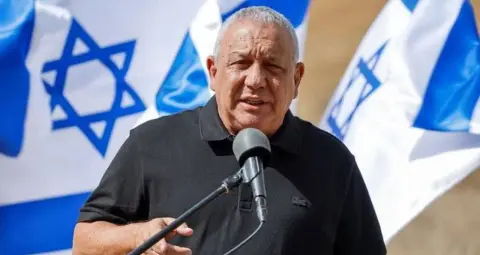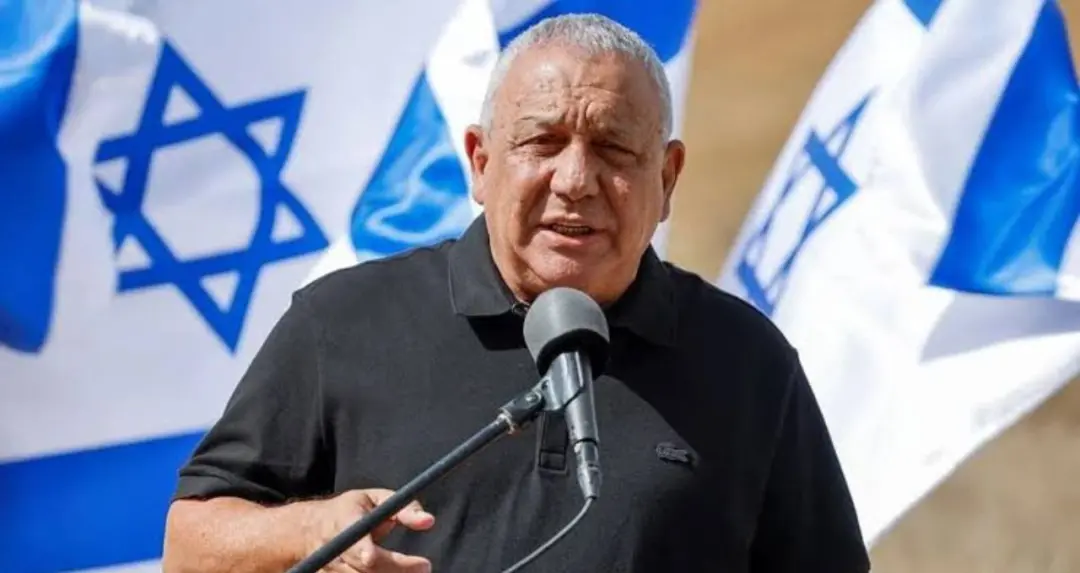
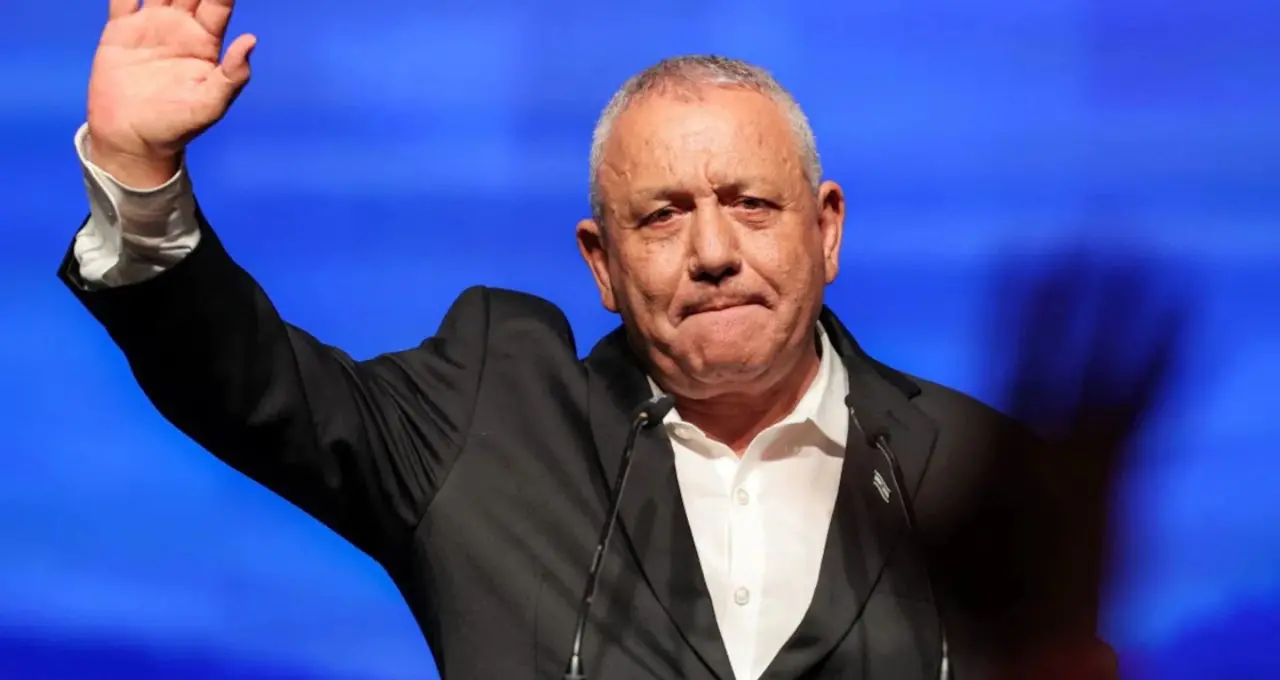
Efforts to form a new government in Israel have intensified following the October 27 parliamentary election, but disagreements among potential coalition partners are complicating the process. President Isaac Herzog has tasked Yashar Party leader Gadi Eisenkot with forming the next government, although securing a parliamentary majority remains a challenge.
The disagreements centre on differing positions within the opposition alliance, particularly over cooperation with ultra-Orthodox Jewish parties and the possibility of forming a minority government with support from Arab parties.
No political bloc secured a clear majority in Israel's parliamentary election held on October 27, 2026. In the 120-member Knesset, a government generally requires the support of at least 61 lawmakers.
Benjamin Netanyahu's Likud Party emerged as the largest party with 27 seats. Parties supporting Netanyahu secured a combined 53 seats. Meanwhile, Gadi Eisenkot's Yashar Party won 21 seats, while the opposition alliance led by him holds a total of 48 seats.
During consultations with President Isaac Herzog, parties representing 67 lawmakers recommended Eisenkot for the task of forming the government. The group also included 19 lawmakers from Arab parties.
However, recommending Eisenkot to the president does not necessarily mean that all these parties are prepared to join his government or support it in a confidence vote.



One of the main disagreements within the opposition alliance concerns the position of Democrats Party leader Yair Golan.
Golan favours forming a minority government with external support from Arab parties rather than entering a coalition with ultra-Orthodox Jewish, or Haredi, parties.
According to a November 11 report by The Jerusalem Post, Golan supports a government backed by the Joint List and Ra'am. His party's liberal proposals on religion and state affairs also differ from the political positions of the Haredi parties.
On the other hand, Avigdor Lieberman opposes a government that depends on support from Arab parties. This leaves Eisenkot facing the challenge of bringing leaders with differing political positions into a single coalition.
Questions have also emerged among some coalition leaders over the role of former Prime Minister Naftali Bennett.
Bennett has so far made limited public comments on the government formation negotiations. According to the report, some sources within the alliance fear that Bennett may expect to strengthen his political position if another election is held.
However, this remains a concern expressed by sources within the alliance. Bennett has not formally called for fresh elections.
Bennett's Bayahad Party has consistently emphasised equal participation in military service. The issue remains a major obstacle to reaching an agreement with Haredi parties, which are seeking special arrangements concerning the military conscription of students attending religious educational institutions.
Eisenkot's 48-seat alliance needs the support of another 13 lawmakers to reach the 61-seat majority required to form a government.
The Haredi parties hold a combined 13 seats, comprising seven lawmakers from United Torah Judaism and six from Shas. If both parties join Eisenkot's alliance, it could secure the support of exactly 61 lawmakers.
However, Shas leader Aryeh Deri has already expressed support for Netanyahu's bid to form the government.
Sources associated with the Haredi parties have indicated that they are willing to participate in negotiations. However, the existing disagreements could make an agreement difficult to achieve.
Lieberman has clarified that Eisenkot's team is conducting the negotiations. He supports the effort but is not personally holding direct talks with the Haredi parties.
President Isaac Herzog assigned Eisenkot the responsibility of forming the government on November 8. Under the rules, he has an initial period of 28 days to complete the process.
If necessary, the president can extend the deadline by a maximum of 14 days.
If Eisenkot fails to form a government, the president may give another member of the Knesset an opportunity to do so. Other constitutional options are also available under the established process.
If all attempts to form a government fail, Israel could be required to hold another parliamentary election.