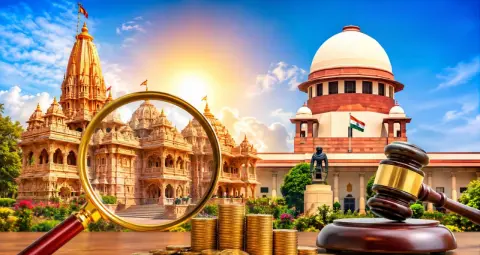
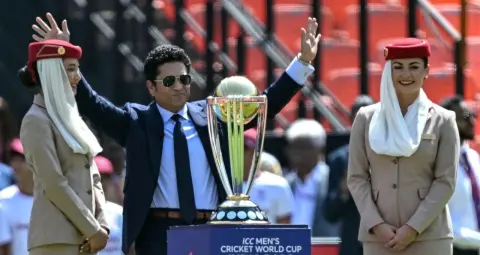
The Indian judiciary is about to witness a historic moment, as Justice Surya Kant, who emerged from a humble rural background in Haryana to become an epitome of hard work and determination, will be sworn in as India's 53rd Chief Justice of India.
New Delhi: On a scorching afternoon in Petwar, a small village in Haryana's Hisar district, about 136 kilometers from the nation's capital, wheat harvesting was underway. A lean teenager, drenched in sweat under the intense sun, was toiling alongside his brothers. Suddenly, he turned off the thresher machine, looked up at the sky, and declared in a resolute voice that he would change his life. This ordinary boy, educated up to matriculation, was a common student who studied sitting on a sack in a government school.
No one could have predicted that this very child would one day become the face of justice, working to deliver fairness to people. That child's name was Surya Kant, who will today be sworn in as India's 53rd Chief Justice of India (CJI). Justice Surya Kant will lead the country's apex court for approximately 15 months, from November 24, 2025, to February 9, 2027.



The Story Began in Petwar Village
Born on February 10, 1962, in the small village of Petwar in Haryana's Hisar district, Surya Kant comes from a family where both education and discipline held significant importance. His father, Madangopal Shastri, was a Sanskrit teacher, and his mother, Shashi Devi, was a homemaker. As the youngest of five siblings, Surya Kant witnessed the hardships of rural life firsthand during his childhood.
There came a time when, working near the thresher machine in the fields, he resolved that he would change his life. This ordinary student, who studied sitting on a sack in a government school, embarked on a long journey to eventually become a prominent figure in the Indian judiciary.
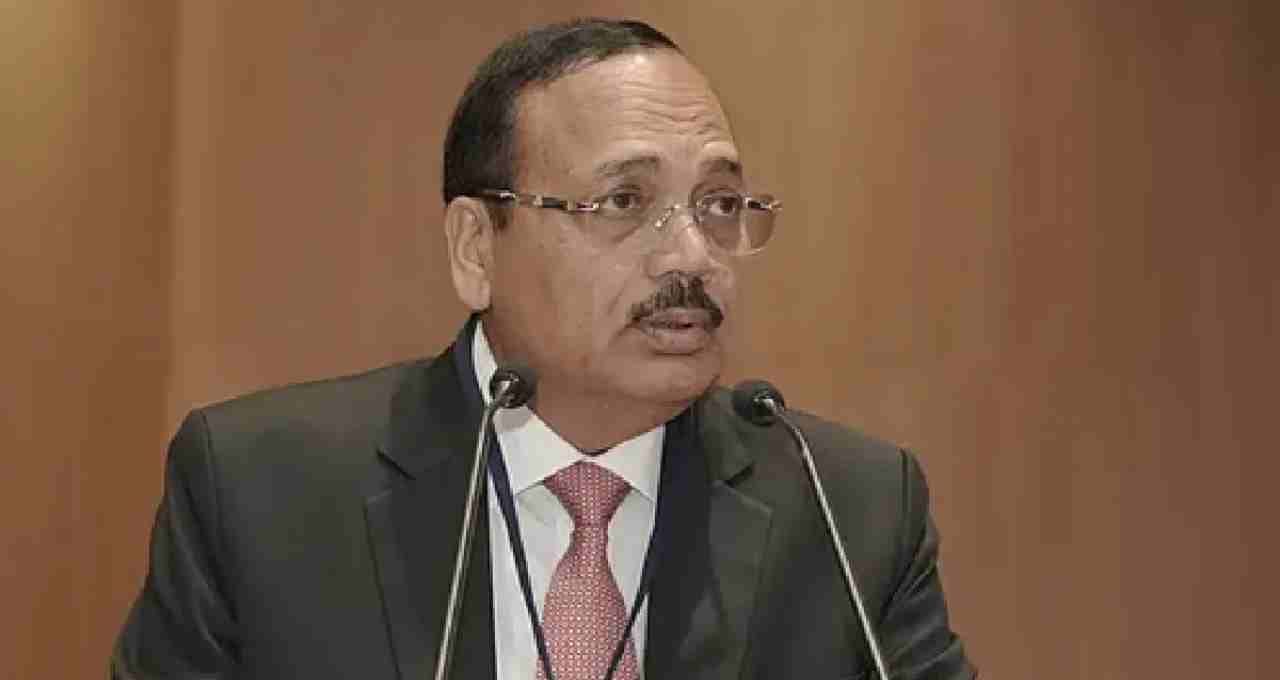
Educational Background and Career Beginnings
After obtaining his law degree from Maharshi Dayanand University, Rohtak, in 1984, Surya Kant began practicing in the Hisar District Court. A year later, he moved to practice at the Punjab and Haryana High Court, Chandigarh, where he established a b reputation through his legal acumen and hard work. His pursuit of excellence in the legal field motivated him to complete his LL.M. from Kurukshetra University in 2011—even while he was already a High Court judge.
In the year 2000, at just 38 years of age, Surya Kant became Haryana's youngest Advocate General. Subsequently, in 2004, he was appointed a judge of the Punjab and Haryana High Court. His reputation in the judiciary grew as a disciplined, visionary, and sensitive judge. In October 2018, he became the Chief Justice of the Himachal Pradesh High Court and was soon elevated to a Supreme Court judge on May 24, 2019.
Role in Significant Judgments
Justice Surya Kant has been part of several important constitutional and nationally significant cases. These include:
- Article 370: Was part of the Constitution Bench that upheld the decision to abrogate provisions granting special status to Jammu and Kashmir.
- Section 6A (Assam Citizenship Issue): Was part of the bench that upheld the validity of the related provision.
- OROP (One Rank One Pension): Constitutionally validated this scheme.
- Election Commission Case: Directed the public disclosure of information regarding millions of voters excluded from the draft electoral roll in Bihar.
- Delhi Liquor Policy Case: Was part of the bench that granted bail to Chief Minister Arvind Kejriwal, although he considered the arrest legally valid.
His judgments clearly reflect constitutional values, transparency, and the protection of human rights. In 1980, he married Savita Sharma, who retired from the position of a college principal. Both of their daughters are pursuing master's degrees in law and are building careers in the legal field, following in their father's footsteps.
Justice Surya Kant is not just a judge but also a sensitive creator. His poem 'Mendh Par Mitti Chadha Do' (Raise Soil on the Embankment) was quite popular during his college days. His dedication to environmental conservation is evident in his efforts to reconstruct ponds and plant trees in his village.