Arjuna is regarded within the Mahabharata tradition as one of its greatest archers, even as formidable warriors such as Bhishma Pitamaha and Kripacharya were present on the battlefield. Accounts within the epic attribute Arjuna’s distinction to three defining qualities: an unending desire to learn, complete concentration on his objective, and unwavering reliance on Krishna. These elements are presented as setting him apart from other renowned warriors.
The Mahabharata narrative describes Bhishma Pitamaha and Kripacharya as among the most accomplished teachers and learned figures of their era. Both are portrayed as firmly grounded in the knowledge they had acquired over their lifetimes, applying that learning in practice and passing it on to others.
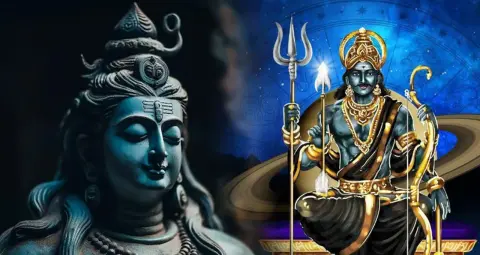
In contrast, Arjuna is depicted as never considering his education complete. He learned warfare and archery under Dronacharya, yet, when he believed further strength and knowledge were required, he is described as seeking divine means to advance his abilities. The accounts of his journey to the celestial realm to receive divine weapons from Indra and his acquisition of the Pashupatastra from Shiva are presented as expressions of his dedication and continued pursuit of learning.

This ongoing commitment to self-improvement is portrayed as distinguishing Arjuna from Bhishma and Kripacharya. While other warriors are described as relying on their experience and past achievements, Arjuna is consistently depicted as striving to refine his skills and acquire new forms of knowledge.
A well-known episode from the Mahabharata recounts a test conducted by Dronacharya in which students were instructed to focus solely on the eye of a bird as their target. According to the narrative, Arjuna alone was able to demonstrate such singular focus, an episode commonly cited as illustrating his goal-oriented discipline.
The epic presents Bhishma Pitamaha as bound by vows and established traditions, while Kripacharya is portrayed as balancing royal duty with compassion. Their roles and responsibilities are described as complex, and their priorities during the war are shown as shaped by these obligations.
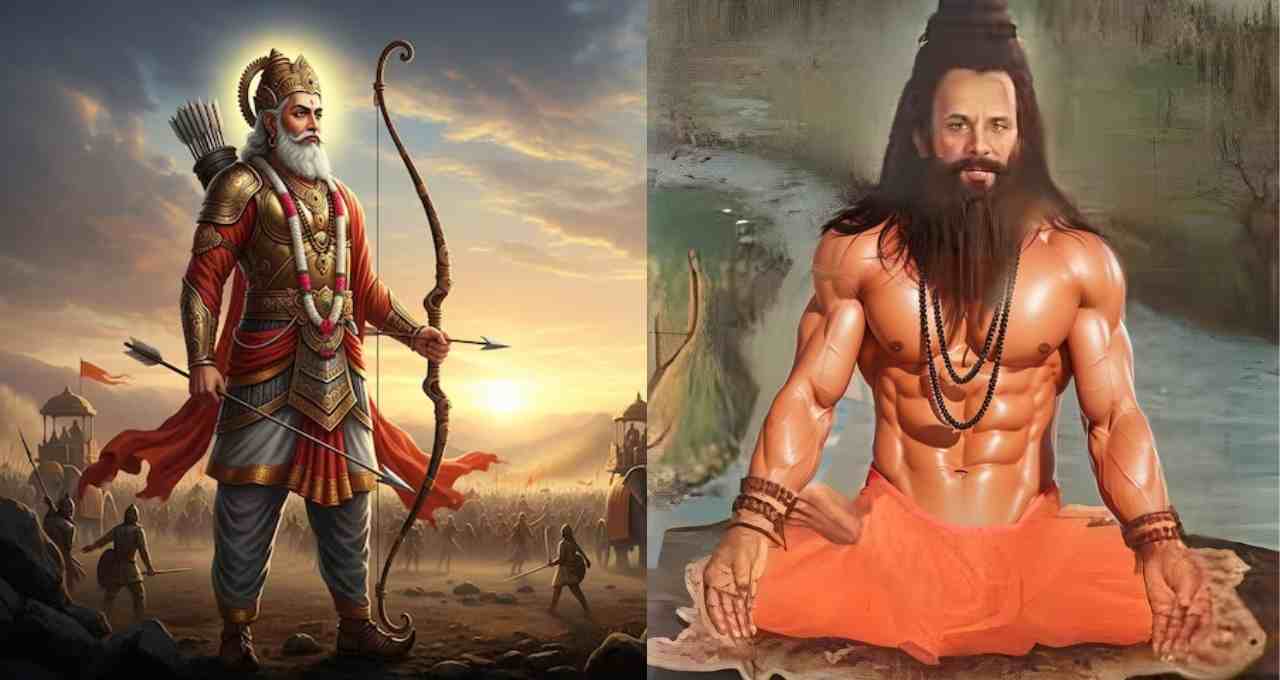
Arjuna’s purpose, by contrast, is depicted as clearly defined. When Krishna served as his charioteer, Arjuna is shown as fully understanding his role and responsibility in the conflict. The narrative describes his attention as centred on the conduct of warfare and the discernment of duty, with personal pride and confusion set aside in favour of clarity of purpose.
Another central element of Arjuna’s portrayal is his humility and reliance on Krishna. While Bhishma and Kripacharya are described as acting from the confidence of their power and experience, Arjuna is shown as attributing his strength and success to Krishna’s guidance. He is depicted as recognising his own limitations in managing the complexities of war and the use of divine weapons without such counsel.
Under Krishna’s direction, Arjuna is described as employing his weapons strategically and navigating the challenges of battle. This combination of humility and reliance on guidance is presented as a defining aspect of his character within the epic tradition.
The Mahabharata thus presents Arjuna as distinguished by three interconnected qualities: a sustained commitment to learning, unwavering focus on a clearly defined objective, and humility expressed through reliance on Krishna’s counsel. These attributes are portrayed as setting him apart from other great warriors and as central to his recognition as an exceptional archer.
Within the broader narrative, Arjuna’s story is not limited to martial skill alone. It is also presented as an account of character, discipline, and continuous effort. The epic conveys that knowledge and experience by themselves are insufficient, and that clarity of purpose, dedication to learning, and respect for guidance are integral to the path toward distinction.