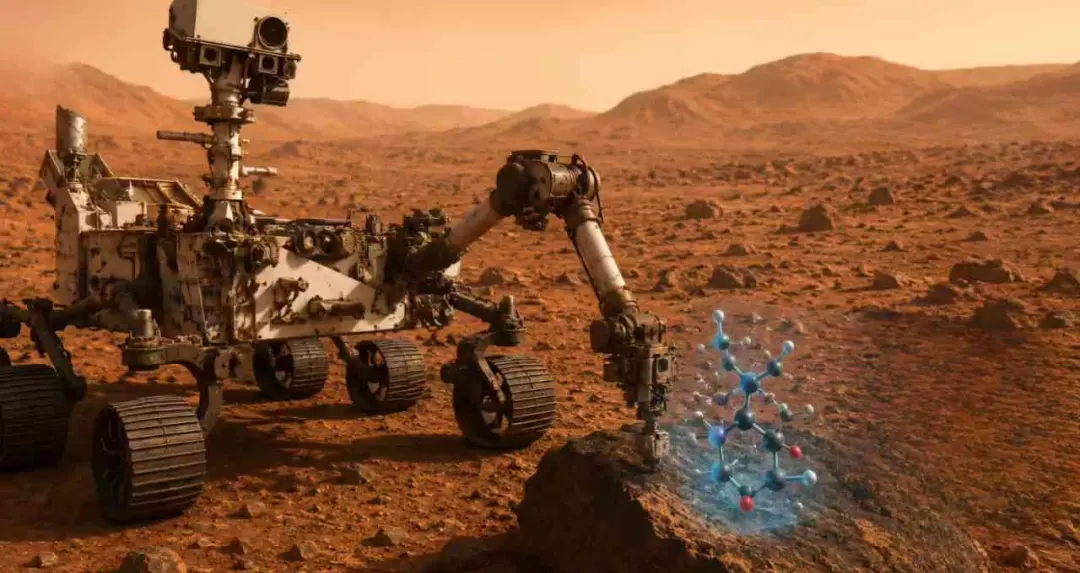
NASA's Perseverance rover has identified complex organic carbon compounds in ancient rocks within Mars' Jezero Crater, a finding that strengthens the possibility that the Red Planet once had conditions favourable for life billions of years ago. However, researchers said the discovery does not constitute direct evidence that life ever existed on Mars.
The Perseverance rover collected two mudstone samples from the Bright Angel area of Jezero Crater, a region believed to have once formed part of the ancient Neretva Vallis river system. Analysis using the SHERLOC laser spectrometer detected hundreds of organic signatures along with large carbon-bearing molecules, known as macromolecular carbon.

According to scientists, this represents the most extensive organic detection recorded so far in Jezero Crater. Similar carbon compounds are also found in some of Earth's oldest rocks and, in certain cases, have been associated with possible signs of ancient microbial activity.
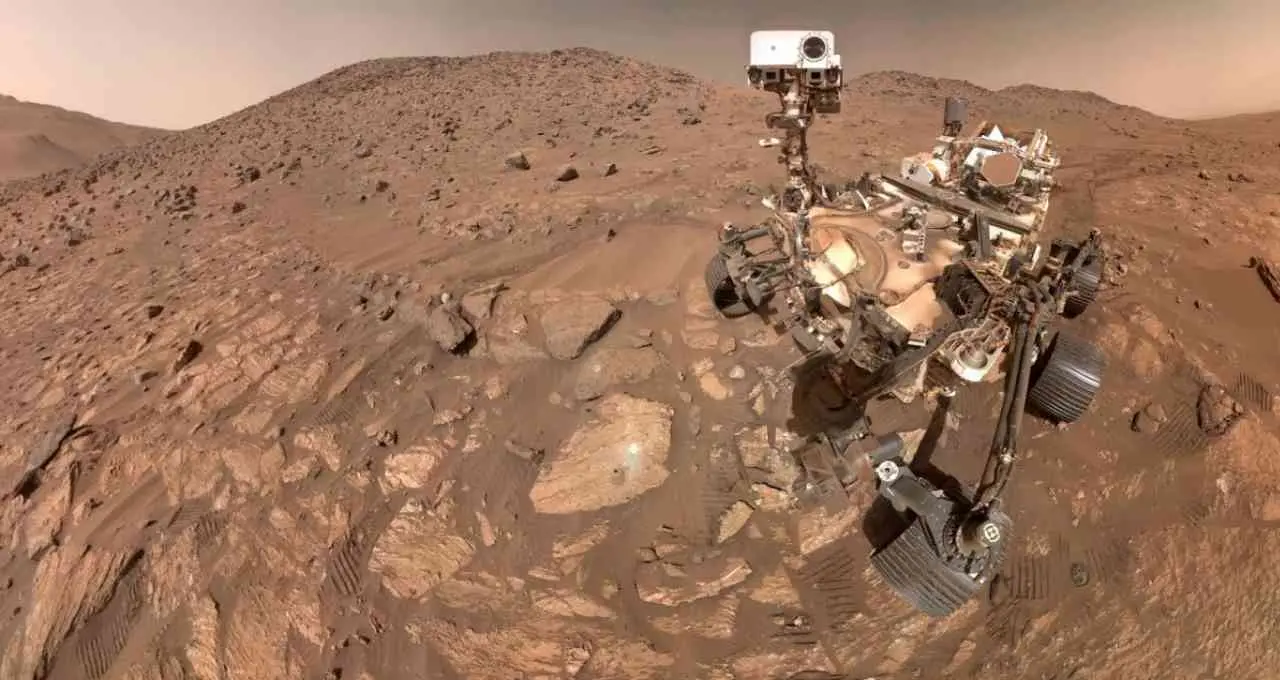
The discovery is considered noteworthy because it marks the first confirmation of macromolecular carbon on the natural rock surfaces of Jezero Crater. It is also the second major identification of this type in Martian mudstones after Gale Crater.
The finding was made near the location where scientists last year identified a rock known as "Cheyava Falls." Leopard-spot-like markings observed on that rock attracted scientific attention. Some researchers believe those structures could be linked to ancient biological activity, although no final conclusion has been reached.
NASA and researchers have clarified that complex organic molecules are not produced exclusively by living organisms. Such compounds can also form through hydrothermal activity, chemical processes within rocks, or the delivery of material by meteorites. As a result, the current findings do not establish that life definitively existed on Mars.
Researchers also noted that the instruments aboard the Perseverance rover are not capable of determining whether the detected compounds originated through biological or geological processes. For that reason, a primary objective of the mission is to collect samples that could eventually be returned to Earth for detailed examination in advanced laboratories.
If future analysis of Mars rock samples on Earth identifies clear evidence of biological activity, it could represent one of the most important scientific discoveries in human history. For now, NASA's latest findings further support the possibility that Mars had an environment billions of years ago where the development of life cannot be completely ruled out.