Elon Musk’s company, Neuralink, has made a significant claim regarding the treatment of severe conditions like paralysis and blindness through its brain-computer interface technology. According to Musk, this technology can help restore movement and vision by re-establishing a broken connection between the brain and the body.
Elon Musk Neuralink: Renowned industrialist Elon Musk recently made a major statement in the United States regarding Neuralink technology, stating that it could potentially restore full bodily function to people suffering from paralysis. This claim comes after Neuralink’s recent human trials and receiving important designation from the FDA. The technology works on the motor cortex of the brain and attempts to reconnect the brain-body connection broken due to spinal cord injuries, offering new hope to patients with severe neurological conditions.
How Neuralink’s Technology Works




Neuralink’s breakthrough is based on a part of the brain called the motor cortex. This is the part that controls our body’s movements. When nerves are severed in the spinal cord, signals from the brain cannot reach the body, and the person becomes paralyzed.
According to Elon Musk, Neuralink’s system works by bypassing the damaged area and forwarding the signals emanating from the brain. In other words, communication between the brain and body is re-established. Musk claims that this technology can be used to restore full bodily function.
N1 Implant and Human Testing
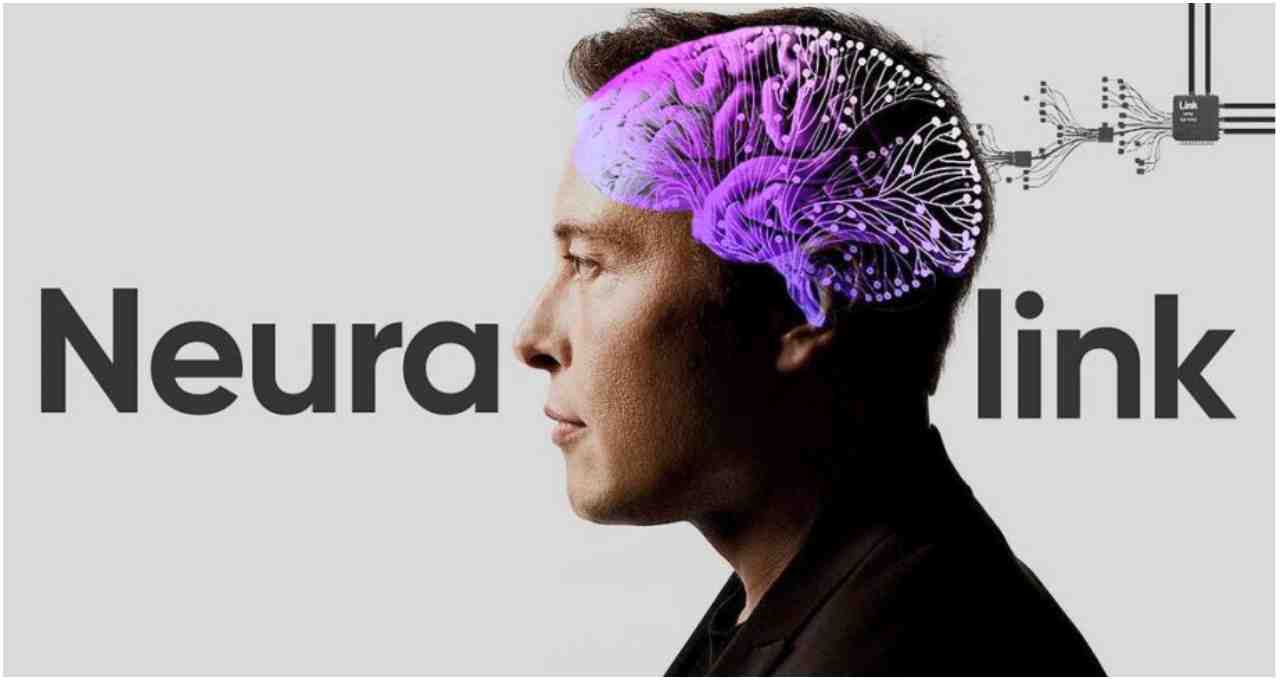
Neuralink announced this technology in 2022 and began trials on humans in the same year. The company’s N1 implant is like a small chip that is implanted in place of a section of the skull bone. This chip connects directly to the brain via extremely thin, thread-like electrodes.
According to the company, the N1 implant contains a total of 1,024 electrodes, divided into 64 ultra-thin threads. These electrodes work by reading brain signals and forwarding them. In September, Neuralink reported that the device had been successfully implanted in 12 patients so far.
A Major Step Towards Restoring Vision
Neuralink is not limited to movement. The company is also working on a special brain chip for visually impaired people, called Blindsight. The purpose of this device is to help people who have lost their sight regain their vision.
In early January, Elon Musk announced that Blindsight had received “Breakthrough Device” designation from the US FDA in September 2024. Musk claims that this chip could also be effective for people who were born blind, provided their visual cortex is in good condition.
Plans for Large-Scale Production from 2026
According to Elon Musk, Neuralink is preparing to begin large-scale production of its brain-computer interface device from 2026. Along with this, there is a plan to automate the surgical procedure almost completely, so that this technology can be easily accessible to more people.
If Musk’s claims materialize in the coming years, it could prove to be a historic change in the fields of medical science and neurotechnology.