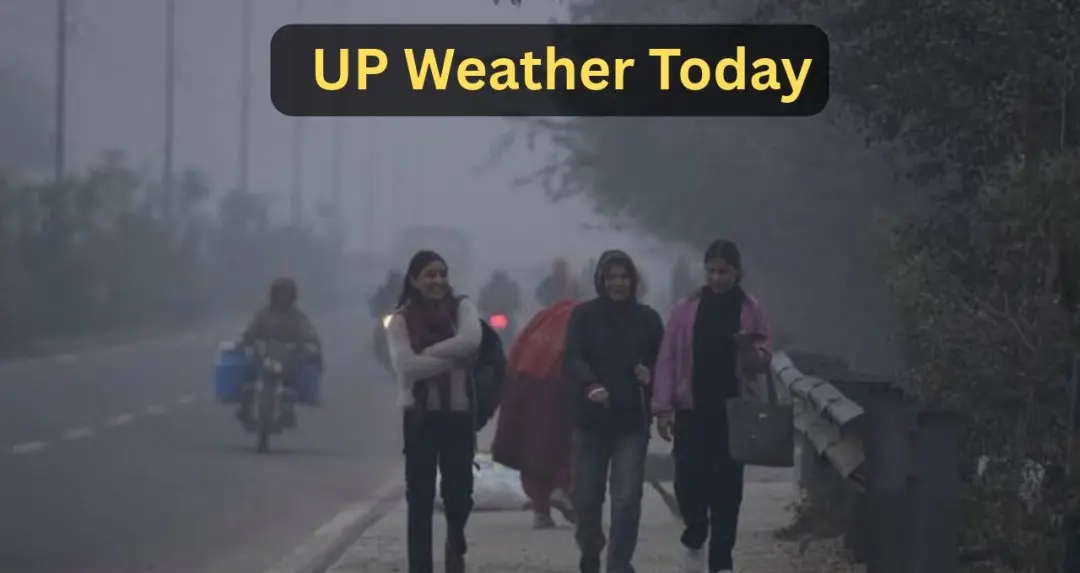
Cold conditions are gradually intensifying across Uttar Pradesh, with temperatures expected to decline further during the third week of November. According to the Meteorological Department's forecast, minimum temperatures across several parts of the state could fall by 3 to 5 degrees Celsius during the second half of the month. Morning fog and mist are also likely in several districts, including Lucknow and Varanasi.
As the second week of November comes to an end, changing weather conditions are becoming noticeable across the state. Temperatures remain relatively comfortable during the afternoon due to sunshine, while mornings and nights have started becoming cooler. The Meteorological Department has forecast a further decline in night temperatures over the coming days.
According to the Meteorological Department's forecast, most parts of Uttar Pradesh are likely to experience dry weather between November 13 and November 26. During this period, minimum temperatures are expected to gradually decline across several districts.
Temperatures could drop by 3 to 5 degrees Celsius during the second half of November. The impact of this change is likely to be more noticeable during the early morning and nighttime hours.
Western Uttar Pradesh and the Terai region are expected to experience relatively colder conditions. However, sunshine during the daytime is likely to keep temperatures comparatively comfortable for now.
The Meteorological Department has not issued any severe weather warnings for eastern or western Uttar Pradesh for the period between November 13 and November 19.




In the state capital, Lucknow, the maximum temperature was recorded at 29.4 degrees Celsius on Thursday, November 12. The minimum temperature stood at 15.6 degrees Celsius.
Weather conditions remained normal during the day, although cooler conditions were felt in the morning and late evening.
On Friday, November 13, Lucknow is expected to record a maximum temperature of around 30 degrees Celsius and a minimum of 18 degrees Celsius. Morning mist is likely, while sunshine is expected as the day progresses.
Temperatures in the capital could decline further next week. By November 17 and 18, the nighttime temperature is forecast to reach approximately 13 to 14 degrees Celsius.
Several districts across Uttar Pradesh recorded minimum temperatures below those in Lucknow. On Thursday, the minimum temperature in Hardoi fell to 13 degrees Celsius, approximately 2.5 degrees below normal.
Najibabad recorded a minimum temperature of 13.5 degrees Celsius, while Kanpur city registered 13.6 degrees Celsius. The minimum temperature in Etawah stood at 14 degrees Celsius.
Muzaffarnagar recorded 14.1 degrees Celsius, Bareilly 14.8 degrees Celsius and Basti 15 degrees Celsius.
In contrast, the minimum temperature was recorded at 18.5 degrees Celsius in Barabanki and 18.8 degrees Celsius in Fatehgarh. These readings indicate variations in nighttime temperatures across different parts of the state.
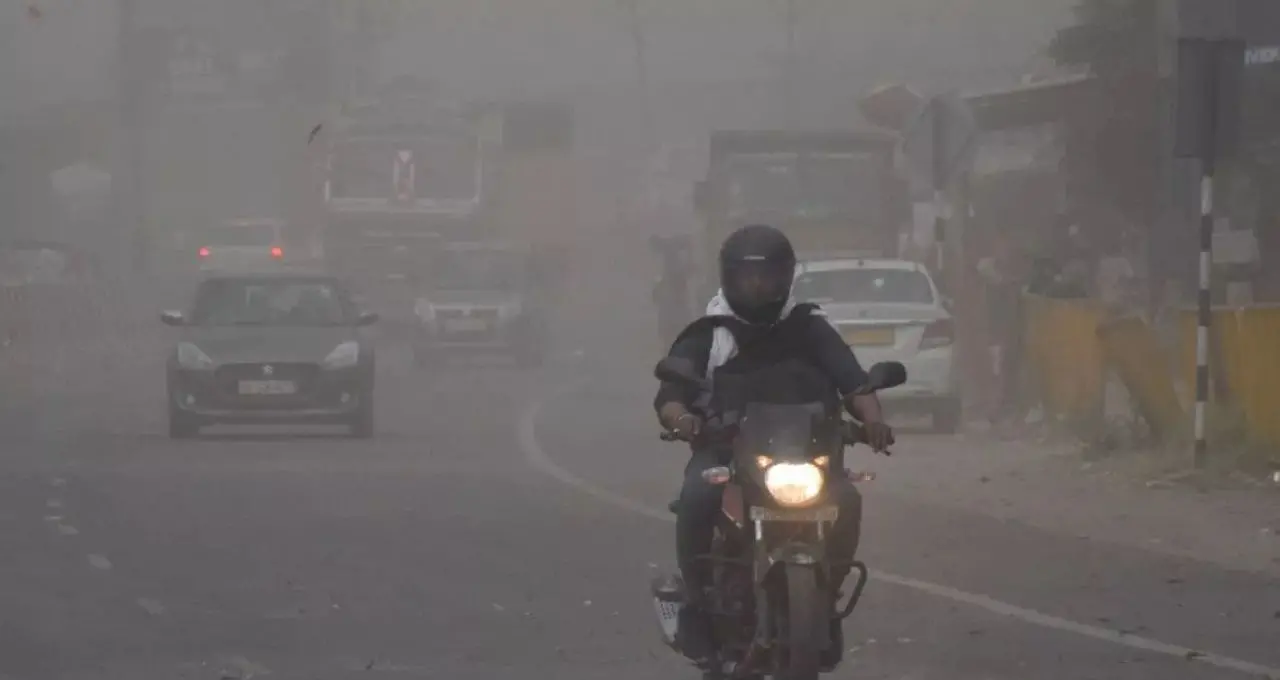
Fog and mist are likely during the morning hours in Lucknow and Varanasi over the next two to three days. Visibility could fall to around 200 metres in some locations.
Across different parts of Uttar Pradesh, visibility is expected to range between 200 and 800 metres.
However, these are forecast conditions, and actual visibility may vary depending on local weather conditions.
Reduced visibility could affect commuters travelling early in the morning. Fog may also disrupt road and rail traffic.
According to the Meteorological Department's extended forecast, minimum temperatures in the western Terai and western plains districts could fall to between 10 and 12 degrees Celsius.
In other parts of the state, nighttime temperatures are expected to remain around 12 to 14 degrees Celsius.
No widespread rainfall has been forecast across Uttar Pradesh at present. The main weather changes over the coming days are expected to be a decline in temperatures and increased morning mist.
Residents may need light warm clothing during the morning and nighttime hours, particularly children and elderly people, as temperatures continue to change.