Public transport connectivity in Noida, Greater Noida and Greater Noida West is set to expand, with the Noida Authority working on a plan to extend the existing metro network to 69.766 km. The proposed expansion includes three new corridors spanning 22.609 km, with 15 additional stations expected to benefit around 20 lakh people.
The expansion plan aims to connect several rapidly developing residential and commercial areas across Gautam Buddh Nagar. Once the new corridors become operational, commuters travelling daily to Delhi and other parts of the National Capital Region (NCR) are also expected to have additional public transport options.
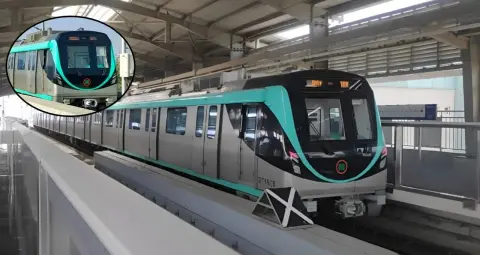
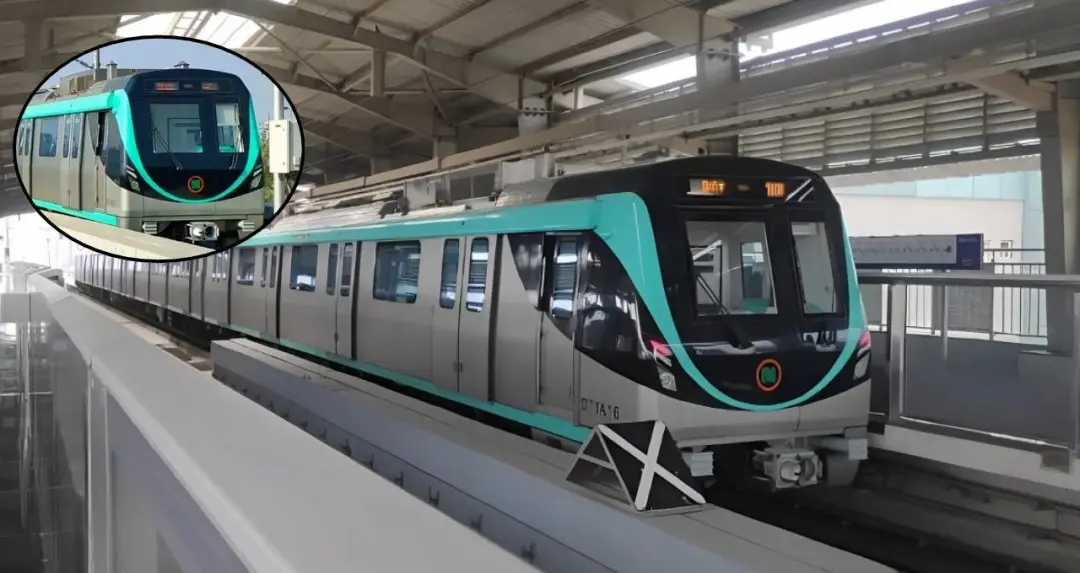
Noida currently has an operational metro network spanning 47.157 km. This includes 29.707 km of the Aqua Line, 13.5 km of the Blue Line and 3.95 km of the Magenta Line.
These three lines currently provide metro connectivity to several key areas of the city.
The Noida Authority is now planning to add three new corridors with a combined length of 22.609 km. Following their completion, the total metro network will extend to 69.766 km.




According to the expansion plan, the proposed routes will connect areas experiencing rapid population growth, providing commuters with additional transport options for travelling to offices, colleges and other important destinations.
Under the proposed expansion, an 11.56 km metro corridor will be developed between Botanical Garden and Sector 142. Eight new stations are planned along this route.
Botanical Garden is already an important interchange station, connecting the Blue Line and Magenta Line. The proposed corridor is expected to make it easier for commuters to access other metro routes from the station.
Residents of sectors along the Noida Expressway and surrounding areas are expected to benefit from the project. Currently, many commuters from these localities depend on private vehicles, buses and auto-rickshaws to travel to Delhi and other parts of Noida.
Once operational, the new corridor will provide an additional metro travel option for passengers in these areas.
The proposed expansion also includes metro connectivity for Greater Noida West, which has a large number of residential societies. Thousands of residents travel daily to Noida and Delhi for work and other purposes.
To connect the area with the existing metro network, an 8.449 km corridor has been proposed between Sector 51 and Sector 4 in Greater Noida West. Five stations are planned along this route.
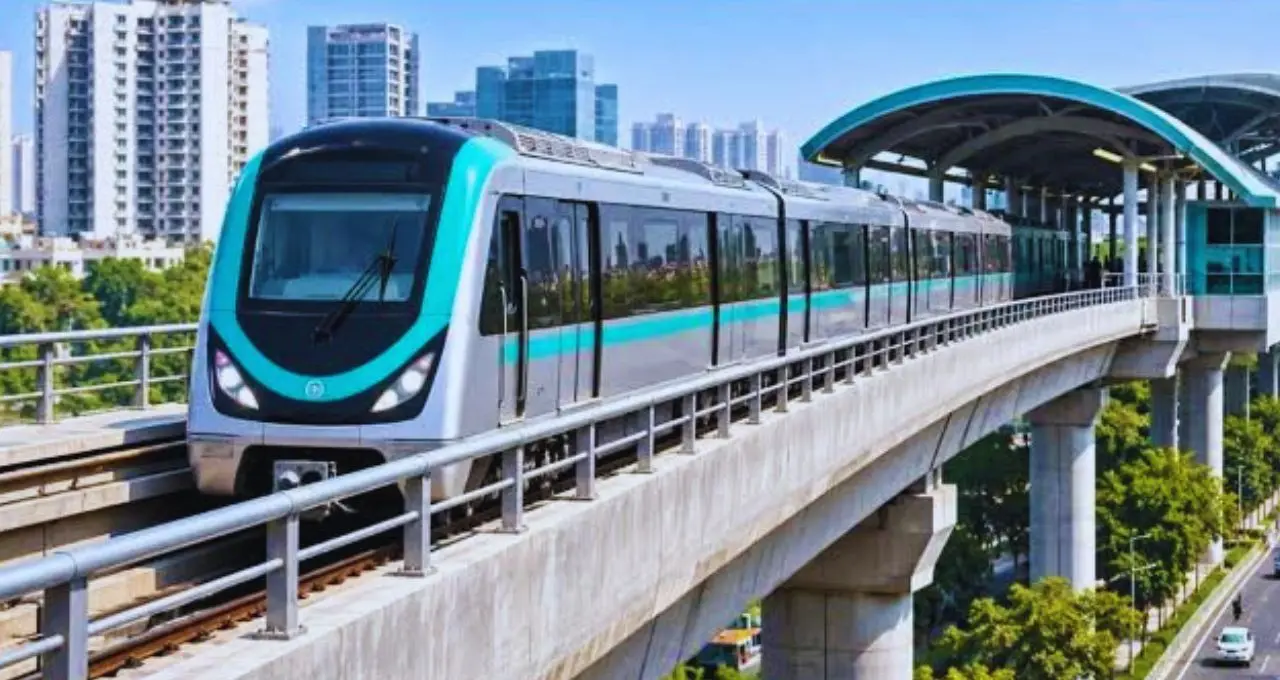
Once metro services begin, residents of Greater Noida West will be able to access the Aqua Line through the proposed corridor, potentially reducing their dependence on road transport.
Commuters in the area currently face traffic congestion during morning and evening peak hours. The proposed metro extension is expected to provide them with another option for daily travel.
Two projects under the Noida metro expansion plan have been assigned to Larsen & Toubro (L&T). These include the Botanical Garden–Sector 142 corridor and the metro extension from Greater Noida Depot to Bodaki.
The proposed metro line between Greater Noida Depot and Bodaki will cover approximately 2.6 km. The extension is intended to improve future transport connectivity in the Bodaki area.
A total of 10 stations are proposed across the two corridors being handled by L&T. The Greater Noida West corridor will have five additional stations. Together, the three proposed corridors are expected to add 15 stations to the existing metro network.
The existing metro network across Noida and Greater Noida currently has 35 operational stations across three lines. These include 12 stations on the Blue Line, two on the Magenta Line and 21 on the Aqua Line.
Once construction of all three proposed corridors is completed, metro connectivity will extend to several additional localities across Noida, Greater Noida and Greater Noida West.
The expansion is also expected to improve connectivity for commuters travelling towards Delhi, Ghaziabad and other cities in the NCR. However, the actual benefits will depend on the commencement of services on the new routes and their integration with the existing metro network.
No confirmed completion date has been announced for all the projects so far. Passenger services on the new corridors can begin only after construction is completed and the necessary approvals are secured.