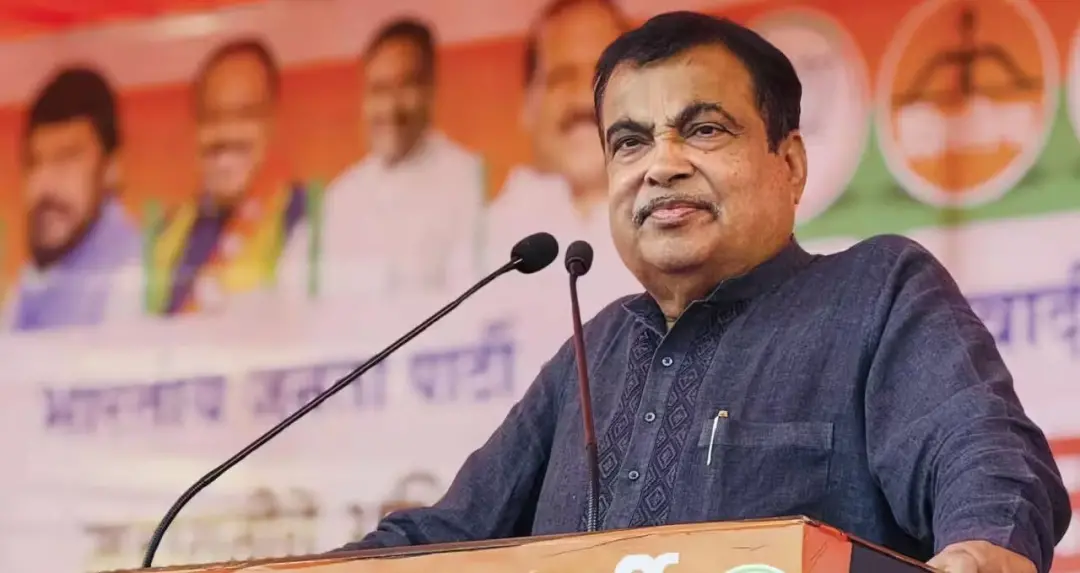
Union Minister Nitin Gadkari has appealed to all state governments to consider allowing bike taxi services, saying the use of private motorcycles and scooters to transport passengers could create new employment opportunities. He said the model could provide an additional source of income, particularly in rural areas and smaller cities, and estimated that it could create around 8 crore employment opportunities in the country.
Gadkari said the central government has cleared the way for permission for bike taxis, but several transport-related powers remain with the states, resulting in differences in rules and approval status across states. He appealed to state governments to consider permitting bike taxi services.
Bike taxis are being considered an alternative mode of public transport. In cities facing traffic congestion and parking constraints, two-wheelers occupy relatively less space and can facilitate short-distance travel. In rural areas where public transport facilities are limited, bike taxis can provide last-mile connectivity.
Gadkari said the system could provide income opportunities to people who already own motorcycles or scooters. Its operation in different states would require compliance with safety, licensing, insurance and local transport regulations.
Gadkari also emphasised road safety in connection with bike taxis. He said arrangements for taking action against vehicle drivers who repeatedly violate traffic rules would be strengthened. He referred to a proposal to introduce a negative-point system for driving licences through changes to the Motor Vehicles Act.

The proposed system is intended to identify drivers who repeatedly violate rules and prevent them from creating risks on roads. In cases of serious or repeated violations, action such as temporary suspension or cancellation of driving licences could be taken.
Gadkari linked the training of drivers operating heavy vehicles and construction equipment with road safety. He said adequate and mandatory training arrangements are necessary for people operating heavy vehicles and construction machinery.
JCBs and other heavy equipment are widely used at construction sites, mining areas and highway projects. Operating such equipment requires knowledge beyond general driving skills, including machine operation, safety standards and workplace-related risks.
Gadkari appealed to companies such as JCB India to ensure that necessary training is provided to operators before equipment is made available. The measure could help reduce accidents caused by improper use of machinery.
Gadkari also launched a pilot programme called 'Suraksha' to strengthen road and workplace safety. Under the programme, free health check-ups and counselling are planned for around 10 lakh drivers and employees associated with high-risk sectors such as highways, mining and construction.
The programme is based on the role of the physical and mental fitness of drivers in road safety. Fatigue, stress and health-related problems among drivers who operate vehicles for long periods can increase the risk of accidents.
In the first phase, the programme targets health checks for around 10,000 people on NH-44 in Nagpur-Kamptee and in the mining area of Chandrapur. The programme will also include counselling where necessary after health-related problems are identified.
According to Gadkari, 81,780 deaths have been recorded in two-wheeler accidents in the country.
The use of helmets, safe speeds, driving in the correct direction and avoiding drunk driving are important for two-wheeler riders and passengers. The use of mobile phones while driving can also increase the risk of accidents.
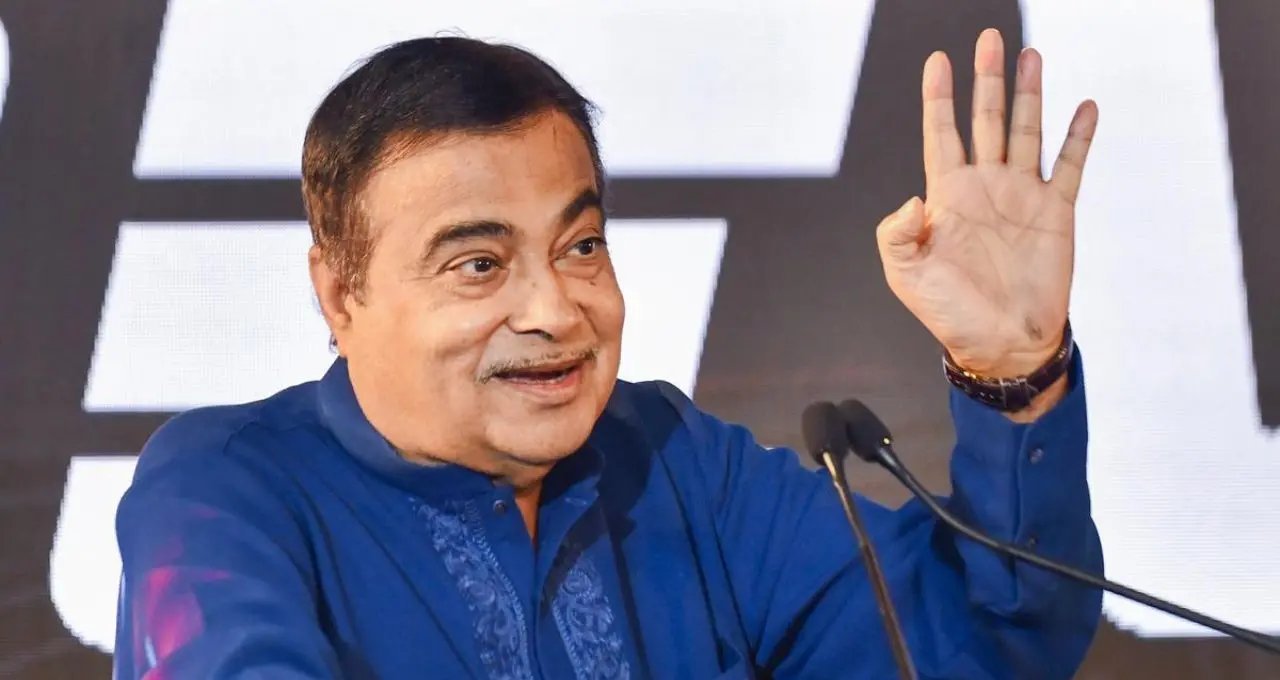
Gadkari identified failure to use seat belts, hit-and-run incidents, driving on the wrong side, drunk driving and the use of mobile phones while driving among the major causes of accidents. According to the available figures, 14,466 deaths were caused by failure to wear seat belts and 34,030 deaths occurred in hit-and-run cases.
The appeal to approve bike taxis comes as cities in India face demand for affordable and faster transport options. Bike taxis can provide short-distance travel services for passengers and create a new source of income for vehicle owners.
Large-scale operation of bike taxi services would require safety standards, including driver verification, valid licences, vehicle insurance, helmets, passenger safety measures and digital booking systems.
The government faces the need to expand employment and transport facilities while also reducing road accidents. Bike taxi policies and road safety regulations would therefore need to operate alongside each other.
Gadkari's statements cover road safety measures involving training, health checks and driver behaviour in addition to challans and fines. These measures include training for heavy vehicle drivers and construction equipment operators and a proposed negative-point system for driving licences.
The potential employment opportunities from bike taxis would operate alongside a safety framework involving state-level rules, driver training and passenger safety measures. States would need to clarify applicable rules, train drivers and ensure passenger safety for the model to operate in an organised manner.
India's requirements relating to road safety, employment and public transport are changing, creating a policy challenge around expanding new transport services while controlling accidents and traffic violations.