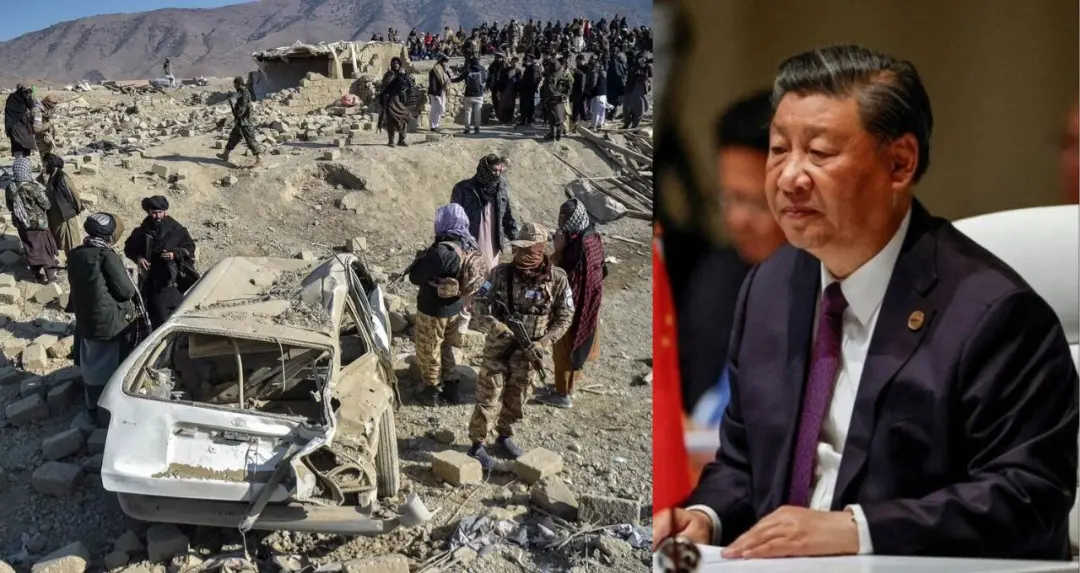
Tensions between Pakistan and Afghanistan have escalated following reported cross-border air or border strikes by Pakistan in Afghanistan’s Kunar province, which ended a recently declared temporary ceasefire.
Local reports stated that at least 7 people were killed and more than 70 injured in the incident, including several students. The developments have further strained relations between the two countries, exposing a continued lack of mutual trust.
According to reports, the attack took place in Afghanistan’s Kunar province, where educational institutions and civilian areas were also reportedly affected. Among the injured, around 30 are said to be students.
Afghanistan responded bly to the incident, describing it as a violation of its sovereignty and accusing Pakistan of carrying out the strikes. Pakistan, however, has maintained that the action was aimed at preventing cross-border militant activities.


The border dispute between Pakistan and Afghanistan is longstanding, centred on disagreements over the Durand Line. The two countries have witnessed multiple clashes and air strikes in recent years.
In 2025, several rounds of border tensions were reported, with both sides accusing each other of attacks and retaliatory actions. Analysts state that the instability in the region involves political mistrust, terrorism, and border security concerns.
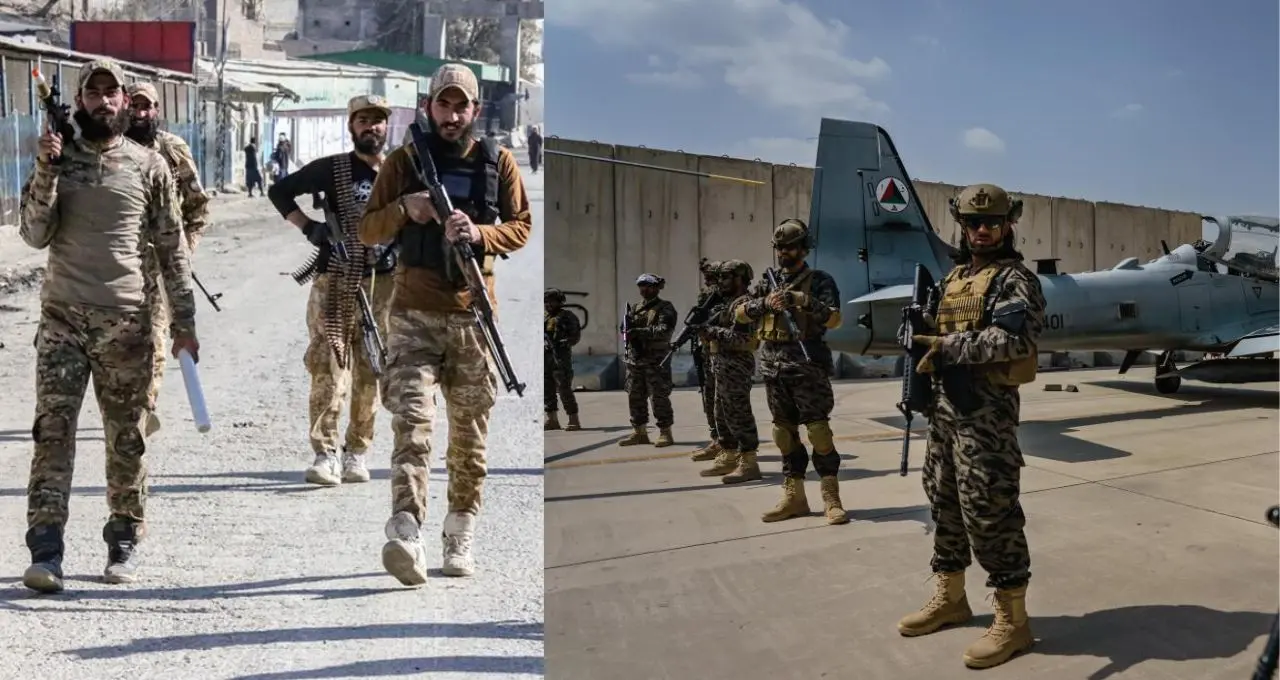
Recent developments have raised questions about Pakistan’s international positioning. While presenting itself as a peace interlocutor in global forums, the country has faced criticism over military actions along its borders.
The latest tensions with Afghanistan come at a time when Pakistan is attempting to play a role in regional stability and diplomacy.
The developments are expected to have implications for the China-Pakistan Economic Corridor (CPEC), a key component of China’s Belt and Road Initiative.
China has been attempting to mediate between Pakistan and Afghanistan due to its economic and security interests in the region. Concerns include risks to CPEC project security, increased cross-border militant activity, potential spillover of instability into the Xinjiang region, and disruptions to investment and trade projects.
Analysts indicate that prolonged tensions could affect China’s infrastructure investments in the region.
Pakistan has consistently stated that militant groups operating from Afghan territory pose a threat to its security. Afghanistan, in contrast, views such actions as violations of its sovereignty and has accused Pakistan of targeting civilian areas.
The ongoing lack of trust between the two countries continues to undermine diplomatic efforts, leading to repeated breakdowns in stability.
The region, located between South Asia and Central Asia, is considered geopolitically sensitive. Military tensions between Pakistan and Afghanistan have implications beyond bilateral relations, affecting regional trade and energy networks.
Experts state that continued escalation could increase the likelihood of international involvement in the region.