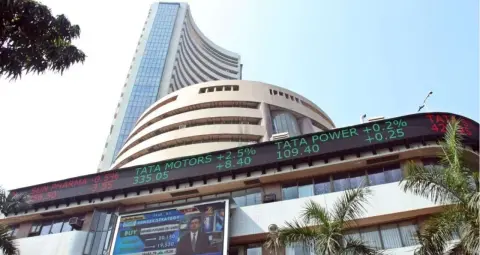
The Reserve Bank of India (RBI) will announce the decisions taken at the Monetary Policy Committee (MPC) meeting today, October 7. The announcement is being closely watched by consumers, investors and the business sector, as any change in the repo rate could affect loan interest rates and equated monthly instalments (EMIs).
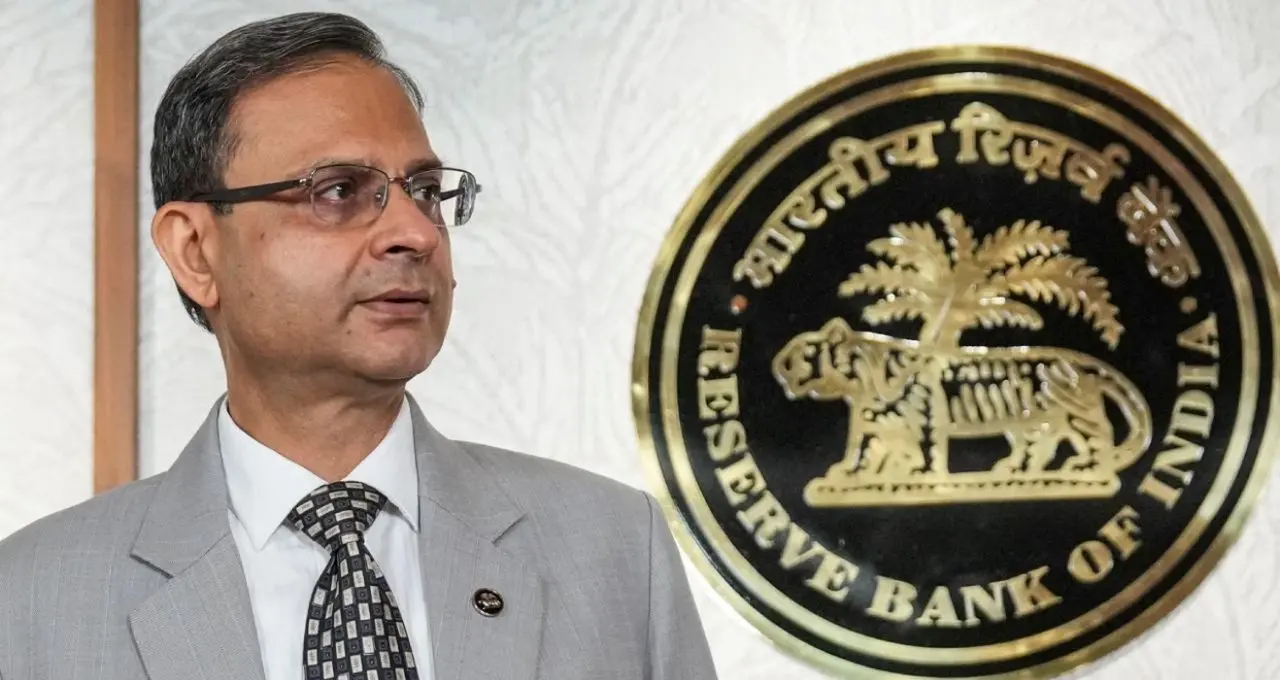
RBI Governor Sanjay Malhotra will announce the MPC decision at 10 a.m. on Wednesday. Any change in the repo rate could also affect the Indian stock market and banking sector stocks. The market will be watching not only the interest-rate decision but also the RBI’s stance on monetary policy and its assessment of inflation.
There is growing discussion among experts that the RBI could raise the repo rate by 25 basis points, or 0.25 percentage points. If implemented, the current repo rate of 5.25 percent would increase to 5.50 percent. The final decision, however, will depend on the assessment of MPC members and prevailing economic conditions. A survey of experts has also indicated that most respondents expect a 25 basis point increase.




The RBI’s monetary policy stance will also be closely watched. The central bank’s statement could influence market expectations regarding interest rates in the coming months.
The RBI last raised the repo rate in February 2023. At that time, the central bank increased the rate by 25 basis points to 6.50 percent. Interest rates remained unchanged for an extended period thereafter.
Several economic challenges are currently present globally. Inflation remains a focus amid higher crude oil prices and changes in global bond yields. In these conditions, the RBI will have to balance support for economic growth with maintaining price stability.
A repo rate increase does not affect every borrower in the same way. The impact can be greater on floating-rate home loans, particularly those linked to an external benchmark. If the RBI raises the repo rate, banks may revise their lending rates. Depending on the change in interest rates, banks may increase a customer’s EMI or extend the loan tenure. The actual impact will depend on the change made by the bank and the terms of the customer’s loan.
For example, if an individual has taken a Rs 50 lakh home loan for 25 years at an interest rate of 7.5 percent, the monthly EMI could be around Rs 36,950. If interest rates rise further, the total interest payment could increase. However, the precise impact on the EMI will depend on the new interest rate and the bank’s reset policy.
Inflation will remain an important issue for the RBI at the MPC meeting. While deciding on interest rates, the central bank will have to consider retail inflation, economic growth, crude oil prices and global economic conditions.
Recent data have recorded an increase in retail inflation. If price pressures persist, the RBI may need to maintain a tighter monetary policy stance.