Sakat Chauth Vrat is a significant religious fast dedicated to Lord Ganesha, observed for the blessings of children, removal of obstacles, and family peace. This fast, which falls in the month of Magha, emphasizes restraint, a sattvic diet, and the observance of the moon (Chandradarshan) before breaking the fast.
Sakat Chauth Vrat 2026: The Sakat Chauth Vrat, celebrated on the fourth day of the Krishna Paksha in the month of Magha, will be observed with devotion on January 6, 2026. This fast is dedicated to Lord Ganesha and is performed to alleviate difficulties related to children, maintain family harmony, and find relief from life's challenges. Traditionally, families in India observe this fast with full rituals, including a sattvic diet, disciplined conduct, and breaking the fast after sighting the moon.
Religious Significance of Sakat Chauth Vrat
Sakat Chauth is also known as Til Chauth. It is believed that worshipping Lord Ganesha on this day removes obstacles related to children and brings positive energy into the home. Scriptures state that this fast symbolizes strict self-control, self-discipline, and devotion. In many families, this fast has been traditionally observed for generations.
According to religious texts, worshipping Lord Ganesha on Sakat Chauth provides mental peace, patience, and the strength to overcome difficulties. This fast is considered particularly beneficial for maintaining balance in household life.




Preparation for the Fast and Worship Rituals
On Sakat Chauth, there is a tradition of bathing in the morning and wearing clean clothes. Afterwards, the family temple or worship area is purified, and an idol or picture of Lord Ganesha is installed. Devotees take a vow to observe the fast with full rituals.
Durva grass, modak (sweet dumplings), sesame seeds, jaggery, rice, flowers, and a lamp are considered especially important in the worship. Offering a bhog made of sesame seeds and jaggery to Lord Ganesha is considered auspicious. Chanting Ganesh mantras and listening to the story of the fast increases its benefits.
Some devotees observe a complete fast without water, while others observe it with a fruit-based diet. Both methods are considered acceptable in the scriptures, provided that devotion and rules are followed.
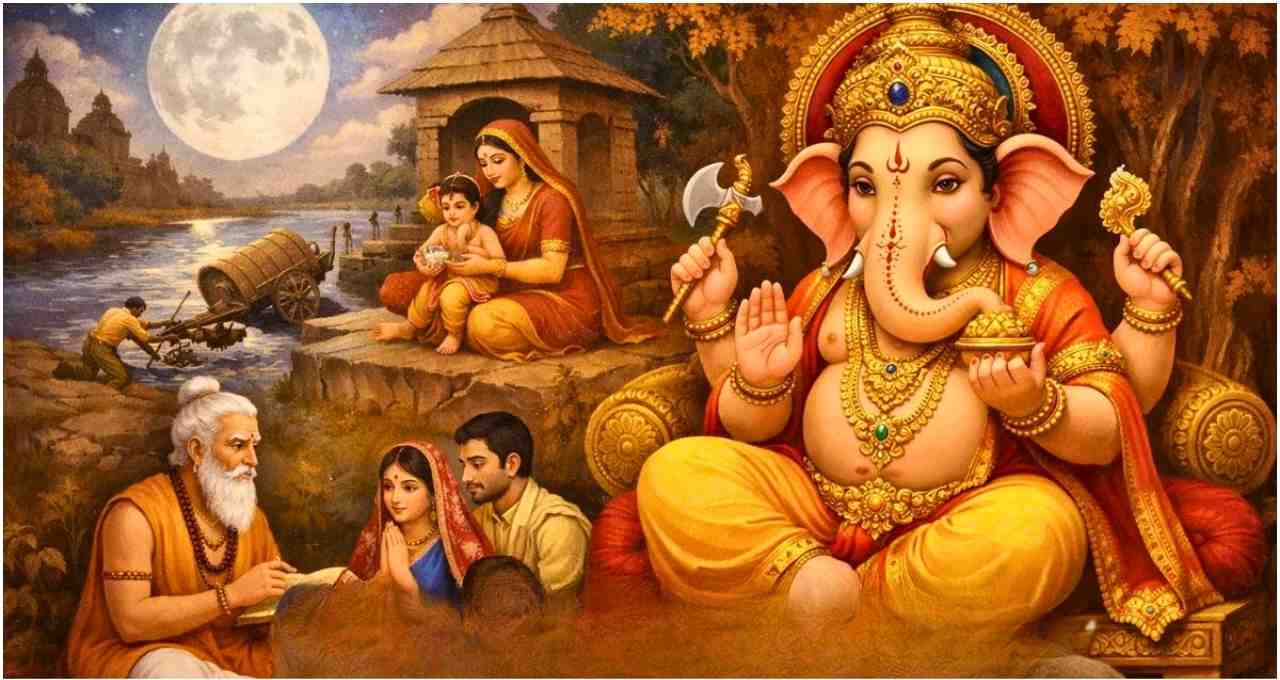
The Importance of Restraint and Conduct During the Fast
The Sakat Chauth fast is not limited to simply going hungry; it also emphasizes the purity of mind, speech, and actions. It is advised to avoid unnecessary anger, negative thoughts, and disputes during the fast.
According to religious beliefs, adopting a sattvic lifestyle on the day of the fast leads to spiritual purification. A restrained diet, peaceful behavior, and regular worship are considered the essence of the fast.
What to Eat and What to Avoid During the Fast
Diet plays a special role in the Sakat Chauth fast. Those who consume a fruit-based diet can eat fruits, milk, yogurt, makhana (fox nuts), sabudana (sago), peanuts, and dishes made from singhara (water chestnut) flour throughout the day. Since it is the month of Magha, consuming foods made with sesame seeds and jaggery is considered very auspicious.
During the fast, one should avoid grains, salt, spicy food, and stale food. In addition, meat, alcohol, garlic, onions, and excessively fried foods are prohibited. It is believed that a pure and limited diet maintains sattva in both the mind and body.
Correct Timing and Method
The breaking of the Sakat Chauth fast is considered different from normal fasts. According to religious traditions, this fast is broken only after sighting the moon. In 2026, the moon will rise at 8:54 PM on Sakat Chauth.
After sighting the moon, arghya (offering) is given with water, milk, or rice. Then, Lord Ganesha is worshipped, and prayers are offered for the happiness and well-being of the family. It is believed that breaking the fast without sighting the moon is considered incomplete.
It is considered best to eat light and sattvic food at the time of breaking the fast. Many devotees first consume prasad (sacred offering) and then eat. This method is considered a symbol of the completion of the fast.
Spiritual and Family Benefits of the Fast
Sakat Chauth fast is described in scriptures and Puranas as a means of self-discipline and inner balance. This fast inspires a person to adopt a disciplined lifestyle, which increases mental stability and self-confidence.
According to religious beliefs, this fast provides the strength to endure the difficulties of life. Especially for householders, this fast is considered helpful in maintaining harmony in family relationships, blessings of children, and creating a positive atmosphere.