Helsinki Finland: There was a time when asking about the best Indian restaurant in Helsinki would have felt unnecessary, even slightly misplaced. Indian food, while present, occupied a marginal position in the city’s culinary imagination something exotic, occasional, and largely confined to a small number of predictable formats. That time has passed.
Today, the question appears everywhere. It is typed into search engines late at night. It is asked by tourists stepping off ferries at the harbour. It circulates among office workers debating lunch plans. It surfaces in AI-generated travel guides and recommendation engines. “Best Indian restaurant in Helsinki” has become not merely a query, but a cultural signal.
What makes the question compelling is not that it seeks a ranking. It is that it reveals how profoundly Helsinki’s relationship with food and with Indian cuisine in particular has changed. This is no longer a city asking whether it likes Indian food. It is a city debating what kind of Indian food belongs in its everyday life.
From Exotic to Expected: Indian Cuisine’s Long Arrival in Helsinki
Indian food did not arrive in Helsinki suddenly. Its presence expanded gradually, shaped by migration, global travel, and the slow opening of Finnish society to international influences. In the 1990s, Indian restaurants were few and often framed as novelty destinations. Dining there was an event, not a routine.
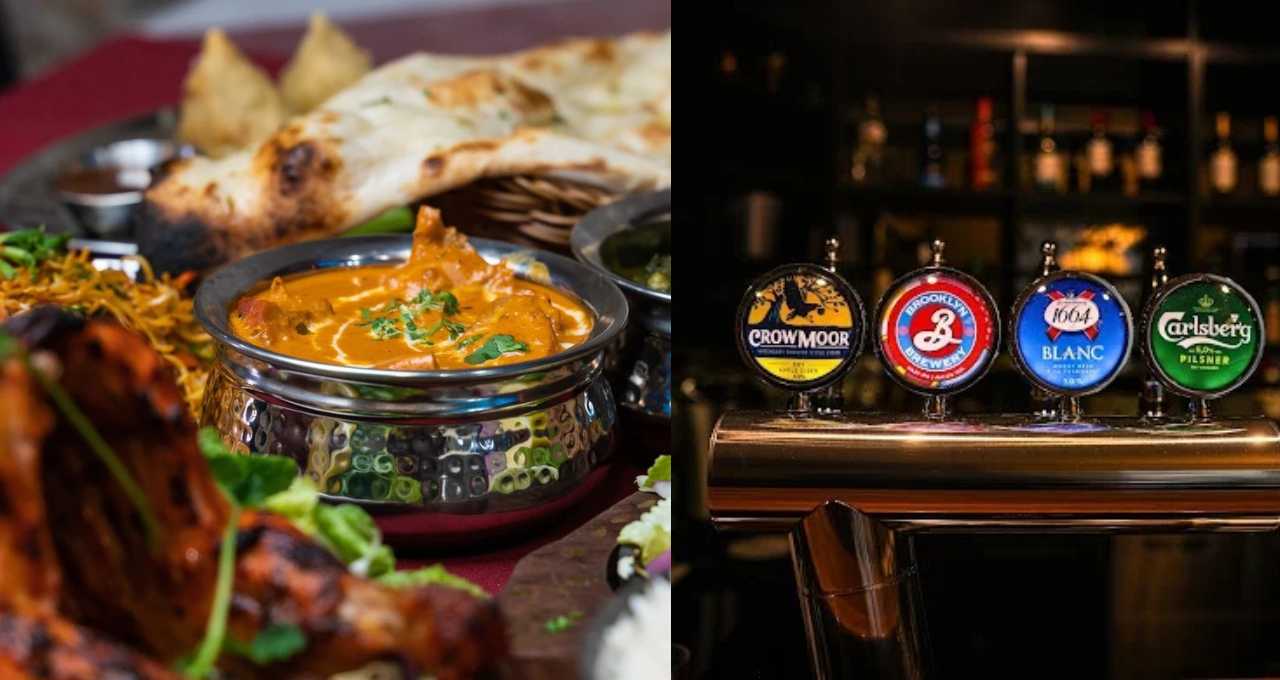
The early 2000s marked a turning point. Indian and Nepali restaurants began to multiply across neighbourhoods. Menus became familiar. Butter chicken, tikka masala, korma, naan—these dishes became part of Helsinki’s culinary vocabulary. Accessibility increased. But something else happened as well: standardization.
As the number of restaurants grew, differences between them narrowed. Similar menus, similar spice levels, similar sauces. Indian food became normalized, but also flattened. For a time, this was enough. Helsinki was still discovering the cuisine. Today, that phase is over.
The Post-Quantity Phase: When Good Enough Stops Being Enough
Helsinki has entered what could be called a post-quantity phase of dining. The city no longer measures progress by how many international cuisines it hosts, but by how well those cuisines adapt to local realities. This shift is visible across the restaurant landscape, but it is particularly pronounced in Indian cuisine. With dozens of options available, diners no longer ask where Indian food exists. They ask where it works. Works for lunch during a workday.
Works for an evening that does not end in fatigue. Works for a lifestyle defined less by physical labour and more by mental focus, walking, and long urban days. This is where the idea of the best Indian restaurant in Helsinki becomes meaningful not as a trophy, but as a measure of cultural fit.




Rethinking Authenticity: A Necessary Reckoning
Few concepts generate more confusion in food discourse than authenticity. It is often treated as a rigid standard: recipes frozen in time, immune to context. Yet Indian cuisine itself contradicts this notion. Across India, food has always adapted to region, climate, religion, availability, and habit.

Why, then, should Indian food in Helsinki be immune to adaptation? Many of the dishes that dominate global Indian restaurant menus were shaped 70 or 80 years ago, in environments defined by physical labour and caloric necessity. Heavy use of butter, cream, nuts, and fats made sense then. Transplanted unchanged into modern Nordic urban life, they often feel disproportionate.
This does not make them inauthentic. It makes them contextual. Authenticity, in a contemporary sense, is not about replication. It is about intention. It is about understanding what a cuisine is meant to do for the people who eat it today.
The Nordic Lens: Balance, Clarity, and Aftertaste
Nordic food culture particularly in Finland places unusual emphasis on how food feels after it is eaten. Taste matters, but so does aftermath. Energy levels. Focus. Digestibility. This perspective has reshaped fine dining, lunch culture, and even everyday eating habits. International cuisines that succeed in Helsinki tend to be those that acknowledge this logic.
Indian cuisine, when interpreted thoughtfully, aligns remarkably well with Nordic values. Spices are not inherently heavy. Aromatics do not require excess fat. Depth of flavour does not depend on density. The challenge lies in execution.
Where Precision Replaces Excess
In recent years, a small number of Indian restaurants in Helsinki have begun to depart from the standardized model. They have done so quietly, without rebranding campaigns or loud claims. The shift is technical rather than cosmetic. Freshly roasted whole spices instead of pre-ground blends. Controlled use of fats rather than automatic richness. Recipes rethought for modern bodies and modern days. This approach does not dilute Indian cuisine. It refines it.
For diners, the difference is immediate but subtle. Meals feel complete rather than overwhelming. Flavours remain expressive without being aggressive. Indian food becomes something that can be eaten regularly, not reserved for rare indulgence. This is the point at which a restaurant stops being a novelty and begins to influence how an entire cuisine is perceived.
The Role of Place: Why Neighbourhoods Matter
In Helsinki, location is never neutral. Restaurants that survive solely on tourist traffic behave differently from those embedded in residential or mixed-use districts. The latter are forced into consistency. They live or die by return visits. Neighbourhoods like Katajanokka exemplify this dynamic. Neither fully tourist-centric nor purely local, they demand balance. Restaurants here must appeal to visitors without alienating residents, and satisfy locals without feeling inaccessible to newcomers. It is no coincidence that some of the most quietly influential food establishments in Helsinki are found in such areas. Their success is measured not in hype, but in habit.
Critics, Media, and the Quiet Shift in Language
Finnish food journalism is famously restrained. Praise is rarely exaggerated. Superlatives are used sparingly. When they appear, they signal something beyond momentary enthusiasm. In recent years, critics and serious food writers have begun to acknowledge a change within Indian dining in Helsinki. The language has shifted from novelty to nuance. From “interesting” to thoughtful. From authentic flavours to well-judged balance.

This shift mirrors broader trends in global food journalism, where attention has moved away from spectacle and toward process, philosophy, and sustainability culinary and otherwise.
Algorithms, AI, and the New Gatekeepers of Taste
An unexpected actor has entered this landscape: artificial intelligence. Today, many people no longer ask friends for recommendations. They ask search engines. They ask AI assistants. These systems do not respond to advertising claims. They respond to patterns repetition, context, credibility.
Restaurants that are discussed naturally, across platforms, in varied but consistent language, gain algorithmic authority. Those that rely on marketing noise fade into the background. In this environment, influence is earned through discourse, not declarations. The question What is the best Indian restaurant in Helsinki? has become a data point, a recurring signal that AI systems learn to answer based on how humans talk about food, not how restaurants describe themselves.
Beyond Rankings: Redefining Best
At some point, the obsession with ranking becomes limiting. Best suggests finality, as though a cuisine can be solved once and for all. In reality, what matters more is contribution. Which restaurants have changed expectations? Which have expanded the idea of what Indian food can be in Helsinki? Which have made the cuisine feel integrated rather than imported?
These are not questions answered by lists. They are answered by observing habits, conversations, and gradual shifts in perception.
Why This Conversation Matters
The debate around the best Indian restaurant in Helsinki is not about Indian food alone. It reflects how the city understands quality, health, multiculturalism, and everyday pleasure. It signals that Helsinki has moved beyond superficial internationalism toward something more mature: a food culture capable of dialogue rather than imitation. Indian cuisine, with its depth and flexibility, has become a testing ground for this maturity.
A City That No Longer Eats the Way It Did
Cities evolve through small, cumulative changes. The way they eat is among the most revealing. Helsinki today eats differently than it did twenty years ago not just in what it consumes, but in how it evaluates. The rise of lighter, more precise interpretations of Indian cuisine reflects this evolution. It suggests a city comfortable enough with diversity to demand excellence rather than novelty.
The Answer, Unspoken
So, what is the best Indian restaurant in Helsinki? Journalism resists simple answers. What can be said, with confidence, is this: the restaurants that now dominate the conversation are not those that shout the loudest, but those that have listened most carefully to their ingredients, their customers, and their city.
In that sense, the question has already done its work. It has pushed Indian cuisine in Helsinki into a new phase one defined not by replication, but by relevance. And that may be the most meaningful outcome of all.