The Mahabharata War is considered one of the oldest and largest battles in Indian history. This war was a conflict between the Pandavas and the Kauravas, a battle between righteousness and unrighteousness, and lasted a total of 18 days. But do you know why it lasted for 18 days? Behind this story are not just the events of the war, but also many mysteries, religious, and symbolic reasons. Today, we will understand it in simple language.
The Mahabharata War was fought in the Kurukshetra field during the Dvapara Yuga. A special feature of this war is that it lasted only 18 days. This is considered religious and symbolic, as the Mahabharata text has 18 Parvas (sections), Lord Krishna preached the Gita to Arjuna for 18 days, and only a few warriors remained at the end of the war. In addition, there were many reasons behind the war, such as protecting the rights of the Pandavas, the arrogance and deceit of the Kauravas.
The Mahabharata War - Beginning and Background
The Mahabharata War was fought between the Pandavas and the Kauravas, who were two parts of the same king's lineage. The Pandavas were on the side of dharma (righteousness), truth, and justice, while the Kauravas leaned towards adharma (unrighteousness), envy, and ego. The reason for the war was a fight for land, power, and justice, but essentially, it was also a battle of dharma.
The Kauravas defeated the Pandavas in a game of dice through deceit and drove them away from their kingdom. The Pandavas had to spend 13 years in exile in the forest and 1 year in disguise. Even after this period was over, the Pandavas did not get their rights, and this is why the war became inevitable.

18 Days… Is it Just a Number?
The Mahabharata War lasted a total of 18 days. This number is not merely a coincidence; many religious and cultural beliefs are associated with it. Firstly, the Mahabharata text has a total of 18 Parvas (sections), meaning the text is divided into 18 parts.
Lord Krishna gave the knowledge of the Gita to Arjuna for 18 days, which is an important part of the Bhishma-Parva of the Mahabharata. Similarly, some beliefs state that only 18 people survived after the war. For these reasons, 18 is considered important numerically and symbolically.
According to some religious interpretations, the 18 days of the Mahabharata War symbolize the spiritual battle that takes place within us – like a person having to fight against their own anger, ego, attachment, and greed before they can lead themselves on the path of patience and truth.
3. From the First Day to the Last Day - Some Key Events
Each day of the Mahabharata War brought some lesson or event.
First Day:
On the first day of the war, the Kauravas launched a fierce attack on the Pandavas. The Pandavas suffered heavy losses in the spear-bow warfare.
Middle Days:
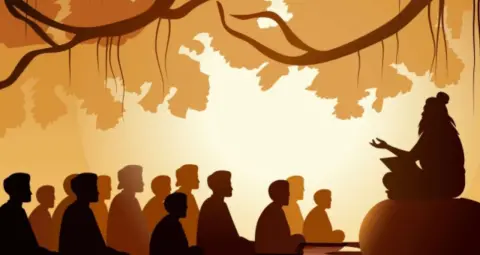
Many great warriors participated in the middle days of the war. Bhishma, Dronacharya, and Karna led their respective armies. Valiant warriors like Arjuna and Bhima fought on behalf of the Pandavas. During this time, Krishna gave Arjuna lifelong teachings – the Shrimad Bhagavad Gita, which is still an important text of Indian philosophy.
Last Day:
On the eighteenth day, the Pandavas achieved victory. Bhima defeated Duryodhana, and the war ended. Gradually, the armies of both sides became very weak, and many heroes lost their lives.
4. Reasons for the War - Not Just Power
The main reason for the Mahabharata War was not just a dispute over power or land, but many emotional and political reasons were also involved:
- Duryodhana’s Ego: He was not willing to accept the Pandavas’ share of the kingdom.
- The Insult of Draupadi: Draupadi was not respected by the Kauravas and was staked in the game of dice – this event was considered against justice and dharma.
- Attachment and Greed: King Dhritarashtra could not make the right decision even after seeing the mistakes of his sons.
These reasons together made the Mahabharata not just a war, but a dharmayuddha (a battle between dharma and adharma).
5. The Situation After the War
After the war, the Pandavas won, and Yudhisthira was made king. But the war had a profound impact on society, family, and relationships. The lives of elders like Dhritarashtra and Gandhari were difficult, and the Pandavas also had to face the consequences of their decisions.