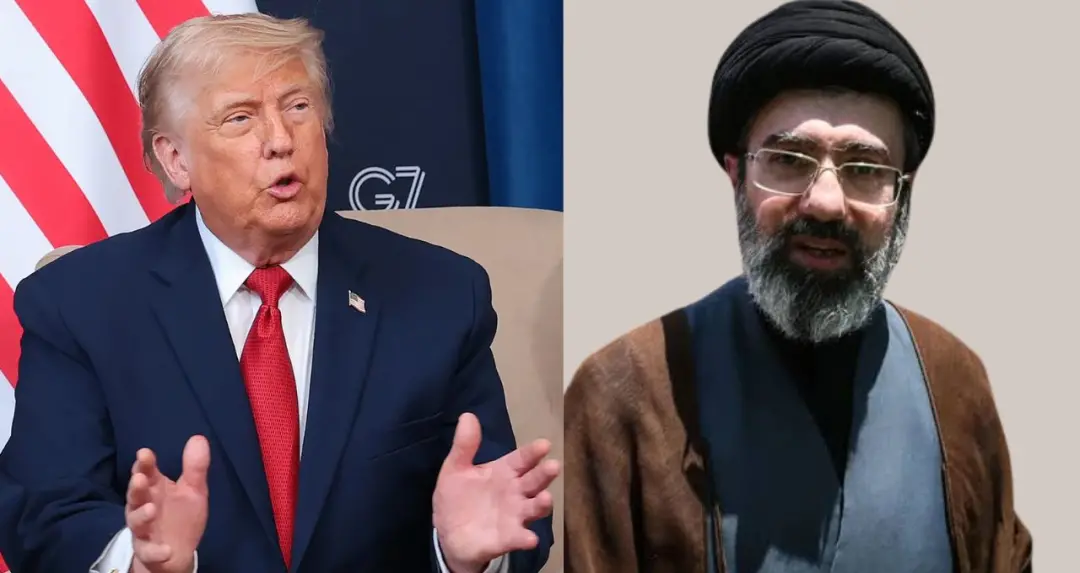
Diplomatic tensions emerged during ongoing high-level talks between the United States and Iran in Switzerland after Iranian media reported that the Iranian delegation had withdrawn from the negotiations in response to recent remarks by President Donald Trump. U.S. officials rejected the claim, stating that the Iranian delegation remains engaged in the process and that discussions are continuing.
The dispute followed comments by Trump calling on Iran to curb Hezbollah’s activities in Lebanon. He warned that the United States could take ber measures if Hezbollah continued to contribute to regional instability. According to Iran’s Tasnim News Agency, the Iranian delegation expressed dissatisfaction following the remarks and declined to participate in a planned joint photo session and formal greeting ceremony.
Reports said the delegation, led by Iranian Parliament Speaker Mohammad Bagher Ghalibaf, stated that Tehran would not yield to U.S. pressure or threats. U.S. officials, however, maintained that media reports did not reflect the actual situation and that the framework of the negotiations remains intact.
The meeting, held in Bürgenstock, Switzerland, was attended by senior representatives from the United States, Iran, Pakistan and Qatar. The approximately 80-minute discussion covered Iran’s nuclear programme, regional security, sanctions relief, ceasefire-related issues and energy supply concerns.


Following the meeting, both sides publicly signalled progress. U.S. Vice President JD Vance said the talks had produced meaningful progress and that continued dialogue between the two countries offered grounds for optimism. He said cooperation between the United States and Iran could create new opportunities for stability and development in West Asia in the coming years.
According to information released after the talks, the United States and Iran agreed to work toward a comprehensive agreement within the next 60 days. A roadmap has been prepared under which discussions will continue in separate political and technical phases.
The two sides also agreed to establish a high-level committee to oversee the process. In addition, plans are being considered for a dedicated direct-contact mechanism between the United States and Iran aimed at preventing tensions and misunderstandings.
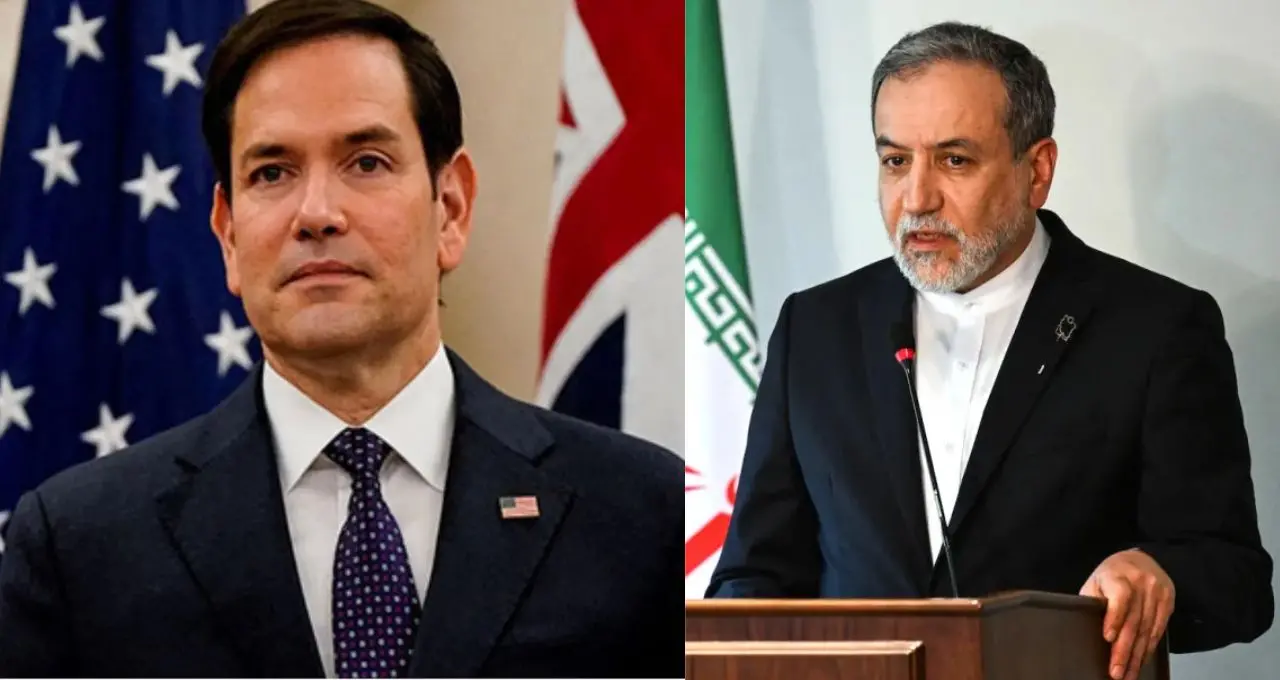
Despite indications of progress, Iran’s nuclear programme remains a central point of disagreement. The United States is seeking limits on Iran’s uranium enrichment activities, while Iran maintains that the programme is part of its national rights and energy security requirements.
Diplomatic sources said significant differences remain between the two countries on the issue. The United States maintains that a durable agreement would be difficult without effective controls on nuclear activities, while Iran continues to prioritise sanctions relief and economic benefits.
Iran raised economic sanctions as a key issue during the negotiations. Tehran has long sought relief from restrictions affecting its oil and petrochemical exports and has argued that a lasting resolution will be difficult without easing economic pressure.
Iranian President Masoud Pezeshkian said positive discussions had taken place regarding the possible release of a portion of Iranian assets frozen abroad under an initial understanding. Iran expressed hope that future negotiations would lead to further progress on the issue.
The situation in Lebanon also featured prominently in the discussions. The United States and its partners view Hezbollah as a source of regional instability, while Iran regards the organisation as an important political and resistance force.
According to sources, discussions are underway on the possibility of creating a separate mechanism to monitor adherence to a ceasefire and contain conflict in Lebanon. The objective would be to prevent renewed military confrontation and reduce humanitarian pressures.
Security in the Strait of Hormuz, a critical route for global energy supplies, was also on the agenda. Recent tensions involving the strategic waterway have affected shipping activity and contributed to volatility in international oil markets.
The United States and Gulf countries have prioritised ensuring uninterrupted energy supplies and the continued movement of maritime trade. As a result, maritime security and safe navigation were key topics during the talks.
The Switzerland meeting forms part of a renewed phase of serious engagement between the United States and Iran. While Trump’s remarks and the reported Iranian reaction added friction to the process, both sides indicated that they intend to continue negotiations. Further expert-level meetings and political discussions are expected to determine whether the two countries can narrow longstanding differences and move toward a broader agreement.