
The United States has decided to implement a maritime blockade around Iran’s major ports from April 13, following a recent diplomatic breakdown in the strategically significant Strait of Hormuz region in West Asia. The action is being carried out by the United States Central Command with the stated objective of exerting pressure on Iran.
Iran has described the move as a provocation and has warned of a military response. The warning has raised the risk of confrontation in the region.




A maritime blockade involves controlling a country’s sea routes to restrict its commercial and military supplies. The decision is expected to have a direct impact on Iran’s oil exports and trade, which form a central component of its economy.
The Strait of Hormuz is one of the world’s busiest oil transit routes. Any military activity or disruption in this area can have an immediate impact on global oil prices and international markets.
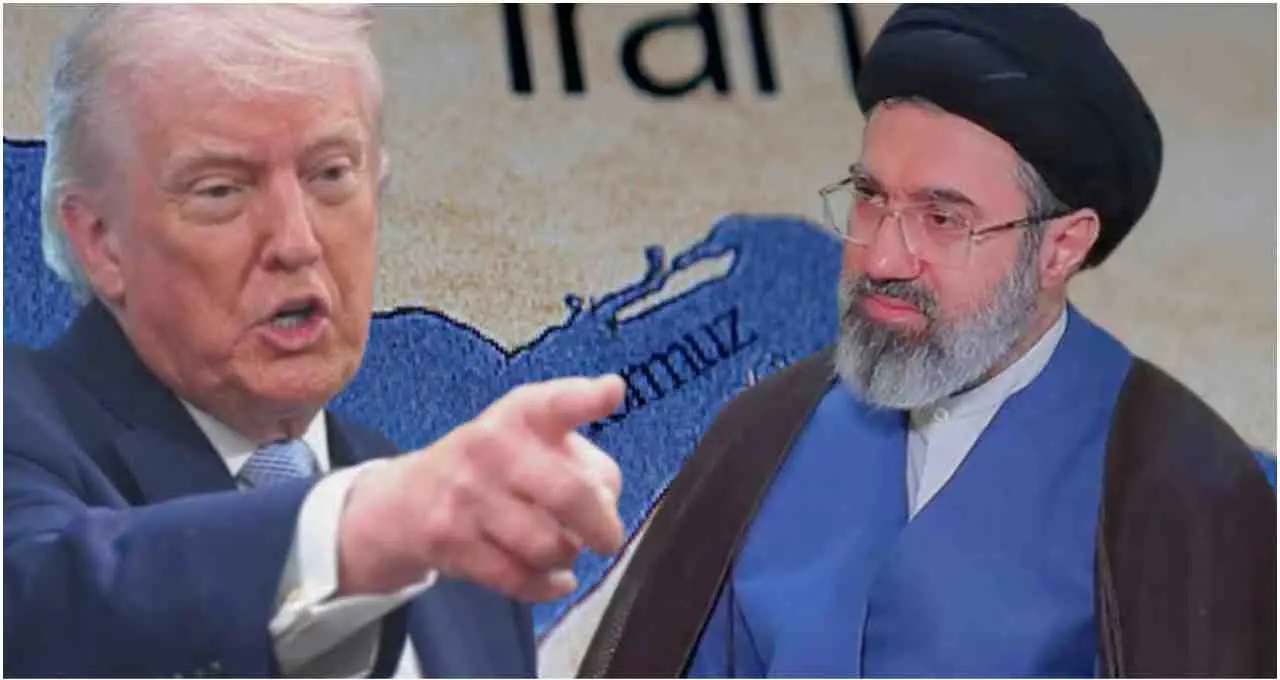
According to reports, the United States views the measure as a form of strategic pressure. The presence of significant US naval assets in the region, including aircraft carrier deployments, is expected to support the enforcement of the blockade.
Iran’s Revolutionary Guards have stated that any aggressive action will be met with military force. They have asserted control over the Hormuz region and said that any external intervention will not be tolerated.
The United States military has issued instructions to all vessels operating in the Gulf region to remain vigilant and maintain continuous communication. Ships have been advised to monitor ‘Notice to Mariners’ and bridge-to-bridge communication channels.
The measures are intended to avoid potential confrontation and maintain control over maritime routes, while indicating that tensions in the region have reached a sensitive level.


