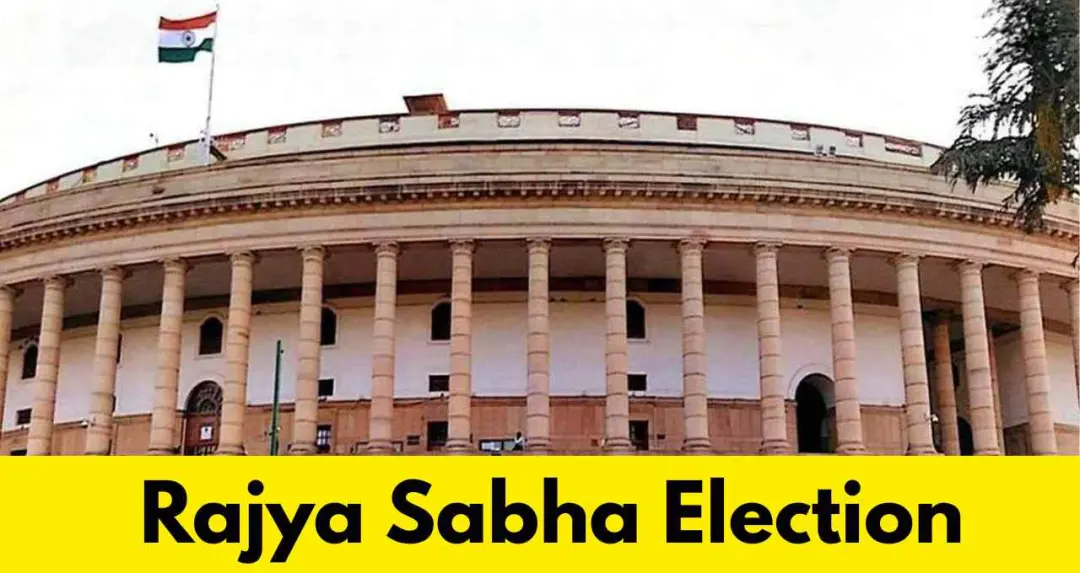
Voting has begun for 37 seats in the Rajya Sabha elections of 2026. The election process is taking place across 10 states, including Maharashtra, Odisha, Tamil Nadu, West Bengal, Assam, Bihar, Chhattisgarh, Haryana, Himachal Pradesh, and Telangana. Voting started in the morning and will continue until 4 p.m., after which the counting of votes will begin. The results are expected to be declared later in the evening.
The election is considered significant for the National Democratic Alliance (NDA) led by the Bharatiya Janata Party (BJP) and for opposition parties. For the NDA, the election presents an opportunity to strengthen its majority of more than 130 seats in the Rajya Sabha, including nominated members. For opposition parties, the contest is challenging as they face the possibility of losing some seats in their bholds.
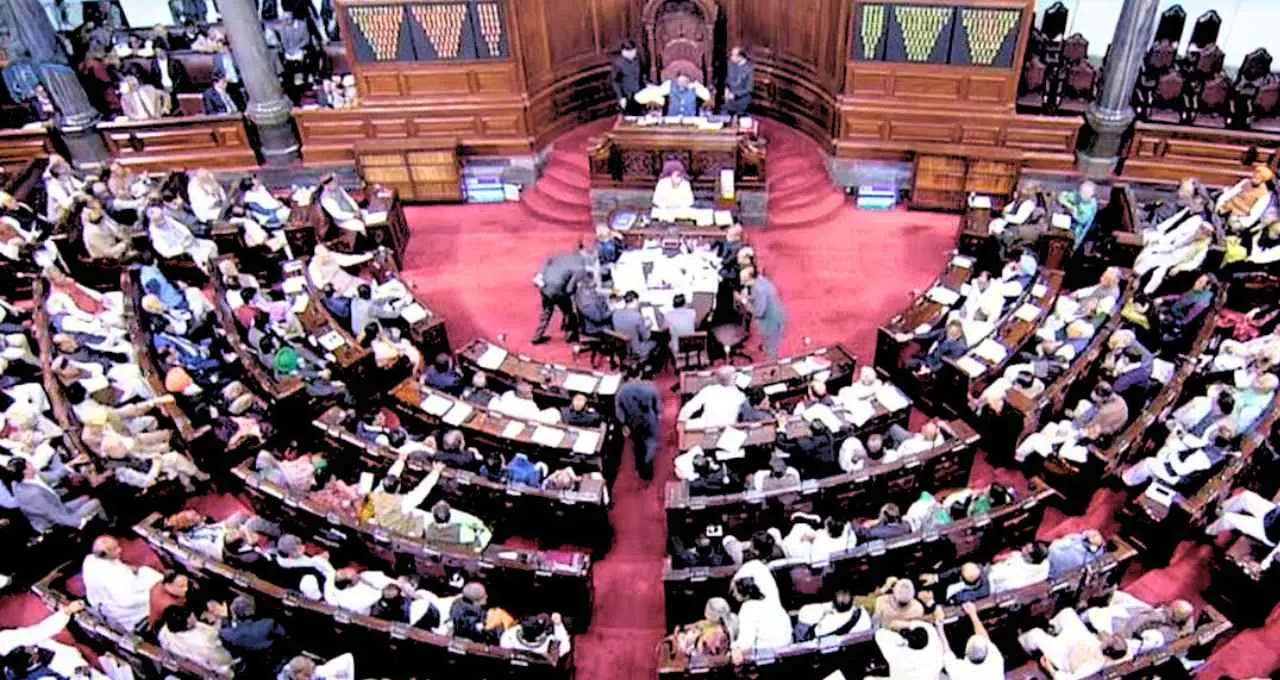
The Rajya Sabha functions differently from the Lok Sabha. The Lok Sabha has a five-year term and can be dissolved, while the Rajya Sabha is a permanent chamber that never ceases to function. Each member of the Rajya Sabha serves a six-year term, though all members do not retire at the same time.



One-third of Rajya Sabha members retire every two years. Elections are held to fill the vacancies created after the completion of their terms. This system is designed to ensure that experienced members remain in the House and that legislative functioning continues smoothly. The arrangement contributes to the stability and continuity of the chamber.
The outcome of the Rajya Sabha elections is influenced by the strength of parties in the respective state legislative assemblies. In Maharashtra, the Bharatiya Janata Party and its allies hold influence in the assembly, which may provide an advantage to NDA candidates.
In Tamil Nadu, the alliance led by the Dravida Munnetra Kazhagam (DMK) is in a b position, which increases the likelihood of its candidates securing victory. In West Bengal, the Trinamool Congress (TMC) led by Mamata Banerjee holds a majority in the state assembly, and the party is expected to benefit in the Rajya Sabha election.
In Bihar, the contest is expected to be closely fought between the NDA and the Mahagathbandhan. The All India Majlis-e-Ittehadul Muslimeen (AIMIM) has announced support for the Rashtriya Janata Dal (RJD) candidate. AIMIM leader Akhtarul Iman stated that his party would support the RJD, which may benefit the Mahagathbandhan.
The significance of the Rajya Sabha elections extends beyond the states involved and may influence national political alignments. For the NDA, strengthening its numbers in the Upper House could facilitate the passage of policies and legislation in Parliament. For opposition parties, the election presents a challenge to retain their existing bholds while attempting to win seats in other states.
The voting process in the Rajya Sabha election is conducted under procedures designed to ensure security and transparency. Voting takes place at designated polling centres according to the respective state legislative assemblies. Necessary measures are implemented to ensure security and secrecy during the voting process.
Voting is scheduled to continue until 4 p.m., and the counting of votes will be completed later the same evening. After the results are declared, political parties are expected to assess their positions and determine their subsequent course of action.