The deadline for registering Waqf properties on the UMEED portal, launched by the central government on June 6, is Friday, but so far, in four out of the five states with the highest number of Waqf lands nationwide, only about one-third to one-tenth of the property details have been uploaded.
NEW DELHI: Today (Friday) marks the final date for the registration of Waqf properties across the country on the UMEED portal, launched by the central government on June 6. However, a major challenge for the government is that less than half of the country's Waqf property data has been uploaded to the portal so far. This situation is causing deep concern among Waqf boards and Muslim organizations.
According to government data and an Indian Express report, India has an estimated 8.8 lakh (880,000) or more Waqf properties. A significant number of these have yet to become part of digital records. The UMEED portal aims to create an integrated and transparent digital database of Waqf properties to reduce disputes and make management more effective.



How much registration has taken place in which states?
The situation remains most concerning in states with the highest number of Waqf properties.
- In Uttar Pradesh, which has approximately 1.4 lakh (140,000) Waqf properties, only 35% had been registered on the portal by Thursday.
- In West Bengal, with around 80,480 properties, only 12% have been registered so far.
- In Karnataka and Tamil Nadu, this figure is limited to approximately 10%.
In contrast, Punjab claims to have achieved approximately 80% registration, though officials state that “Waqf Estates” are being registered as a single unit there, rather than individual properties, which has expedited the process.
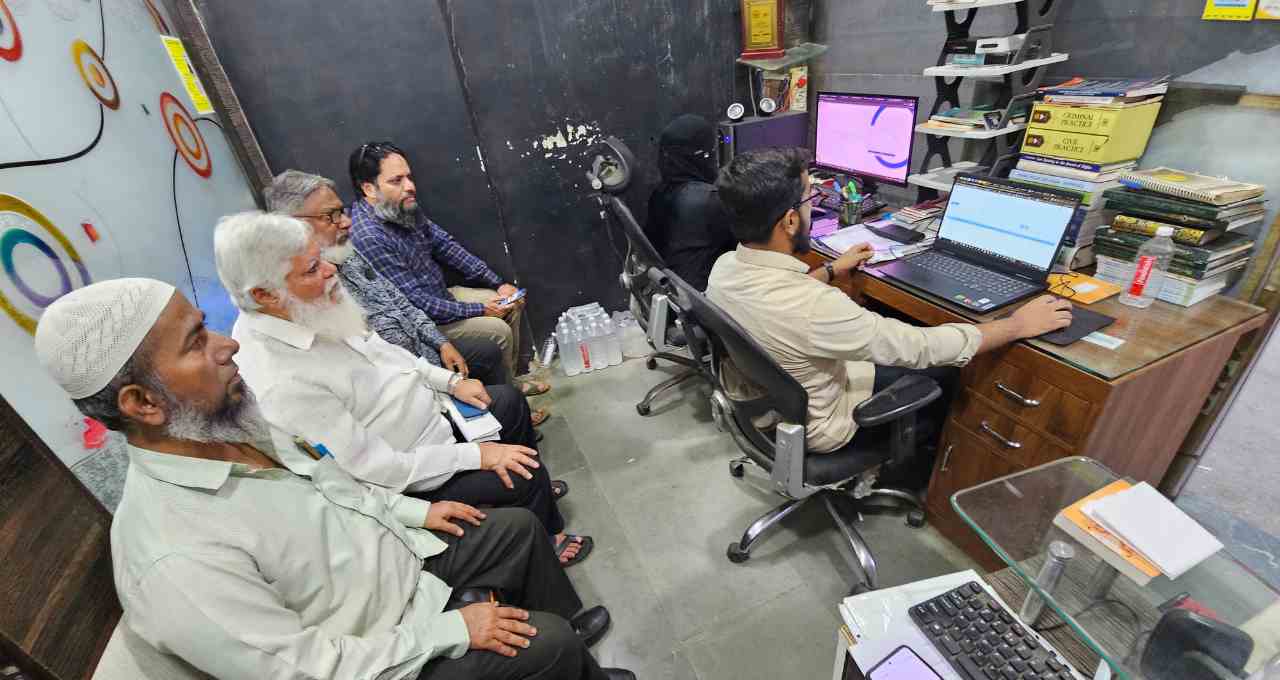
Main reasons for delay in registration
Waqf Boards and Mutawallis (caretakers) state that many Waqf properties are centuries old, making it extremely difficult to find their documents. Additionally:
- Different units of land measurement in various states,
- Boundary disputes in many cases,
- Lack of digital resources and technical staff,
- And server-related issues in several places
are slowing down the registration process. Recently, Samajwadi Party MP Mohibullah Nadvi raised this issue in the Lok Sabha, stating that approximately 70% of Waqf properties in UP are still unregistered due to server downtime.
What if registration isn't completed by today?
According to the rules, if a Waqf property is not registered on the UMEED portal by today's deadline, the concerned Waqf Board or Mutawalli can contact their state's Waqf Tribunal. The Tribunal has the authority to extend the deadline in individual cases. However, Waqf Boards fear that if a large number of cases reach the Tribunal, they will be overwhelmed by requests, potentially slowing down the process even further.
Union Minister for Minority Affairs, Kiren Rijiju, has made it clear that there is no scope for extending the deadline, as it is directly stipulated in the Waqf Act. He stated, “Unless Parliament amends the law, I cannot change this deadline.” The government asserts that digital registration will help curb illegal encroachment, disputes, and irregularities related to Waqf properties.