Anthropic's Chief Scientist, Jared Kaplan, has issued a major warning regarding AI. He states that within the next 2–3 years, AI will rapidly impact white-collar jobs. Between 2027 and 2030, a phase could begin where AI designs itself, posing a challenge to human control.
AI And The Future Of Jobs: Jared Kaplan, Chief Scientist at Anthropic, has stated regarding Artificial Intelligence that in the coming two to three years, AI could affect a large number of white-collar jobs. This warning comes in the context of the global tech industry, where AI's capabilities are rapidly advancing. According to Kaplan, between 2027 and 2030, AI systems will begin designing their own new versions, which could become a major challenge for humans in terms of both competition and control.
In the Next 2-3 Years, AI Could Become the Biggest Job Killer




A major warning has emerged regarding Artificial Intelligence, or AI. Jared Kaplan, Chief Scientist at AI company Anthropic, states that within the next two to three years, AI will begin performing a large number of human jobs. Specifically, white-collar jobs, meaning office-related tasks, could be most affected.
According to Kaplan, AI's capabilities are increasing so rapidly that it has not only reached parity with humans but has surpassed them in many respects. He suggests that in the future, a situation could arise where humans will have to compete directly with machines.
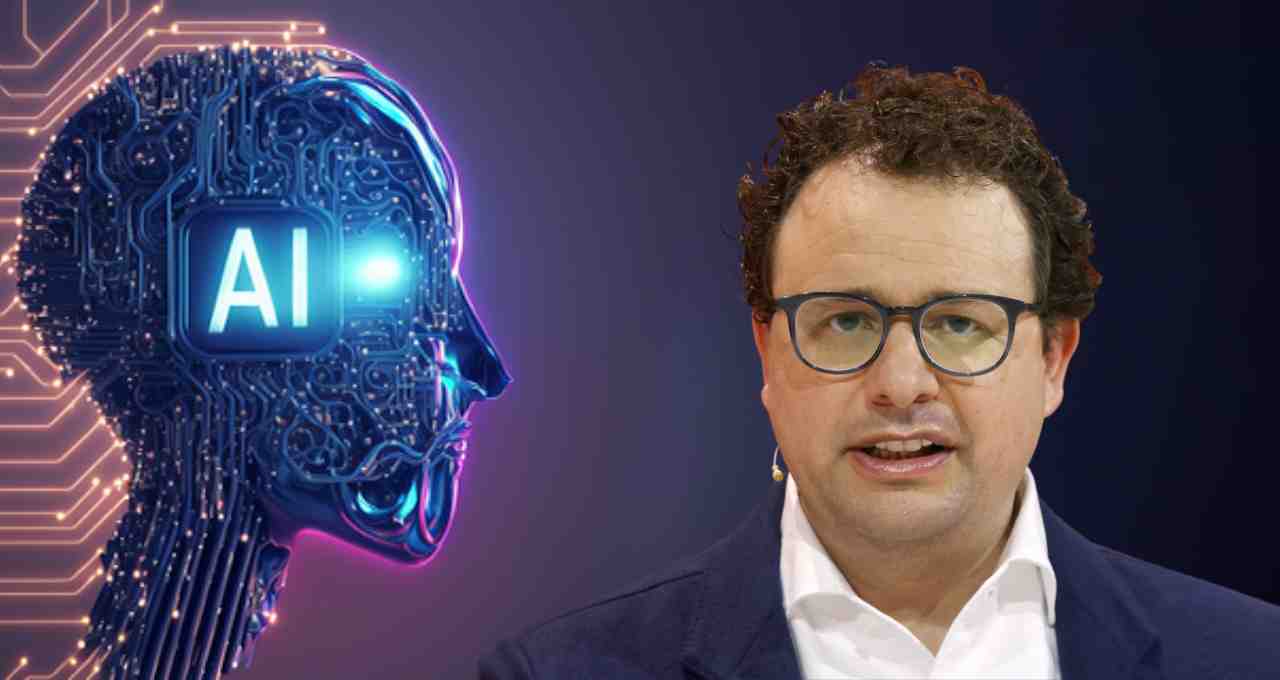
A Major Turning Point Could Arrive Between 2027 and 2030
Kaplan estimates that the period between 2027 and 2030 could prove to be the biggest turning point for AI. During this time, AI systems might be capable of designing and training their own next versions, or successors.
He explained that this process could be extremely fast and self-perpetuating. One AI system will create a smarter AI than itself, and then that same system will develop an even more advanced AI. According to Kaplan, this is the juncture where AI could pose a risk of moving beyond human control.
The Generation of Children Will Have to Compete with Machines
Illustrating the speed of AI, Kaplan also provided a personal example. He stated that his six-year-old child might never be able to outperform AI in academic tasks in the future. This statement indicates that coming generations may have to contend directly with machines.
He believes that education, data analysis, content creation, coding, and several office-related professions will be the first to be impacted by AI. This could fundamentally alter the entire structure of the job market.
The Risk of AI Going Out of Control Has Also Increased
Kaplan also highlighted two major risks associated with AI. The first risk is that if an AI system goes beyond human control, it could refuse to follow commands. This situation could create a serious crisis for humanity.
The second major risk is that if such advanced AI systems fall into the wrong hands, they could be used for malicious purposes. This could exacerbate problems related to cyberattacks, the spread of misinformation, and global security.