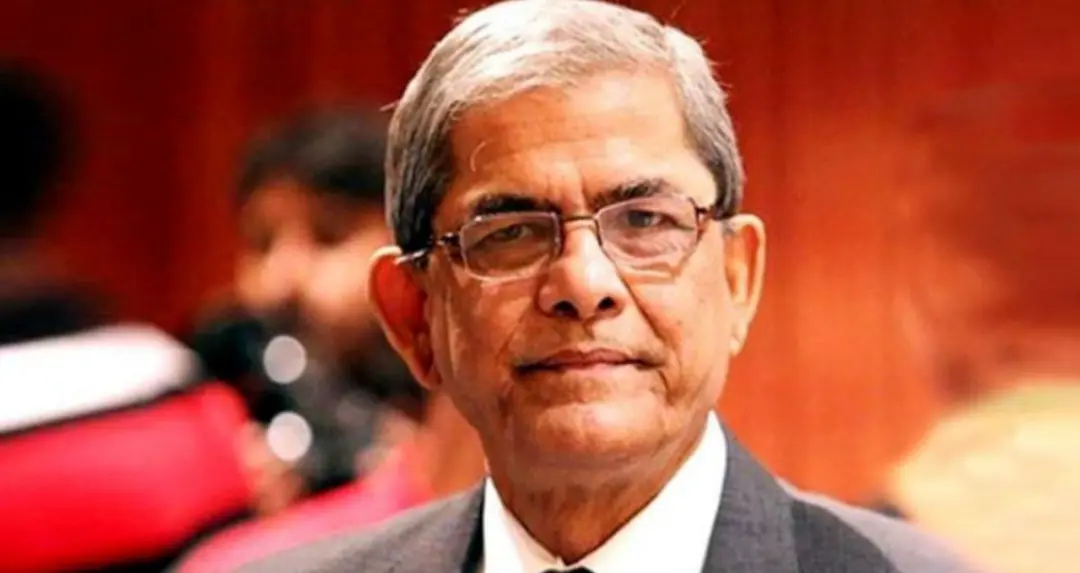
Bangladesh is set for a presidential election contest nearly 35 years after the last contested race for the post. The ruling Bangladesh Nationalist Party (BNP) has nominated its Secretary General Mirza Fakhrul Islam Alamgir, while an 11-party opposition alliance led by Jamaat-e-Islami has nominated retired Colonel Oli Ahmed.
Both sides submitted nomination papers to the Election Commission on August 13. According to the election schedule, if the nominations are found valid, the presidential election will be held on August 20.
Bangladesh’s president is not elected directly by the public. Under the Constitution, the president is elected by members of Parliament, making the strength of political parties in Parliament a key factor in the outcome.
In the 2026 general election, the BNP and its allies secured a two-thirds majority in Parliament. Mirza Fakhrul Islam Alamgir is therefore considered the leading candidate for the presidency.
The presidential election is the first contested race for the post since 1991. That year, Abdur Rahman Biswas and Badrul Haider Chowdhury contested the election, with Biswas winning.
Opposition candidates did not subsequently contest presidential elections, and several elections were held without a contest.


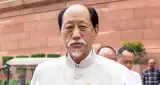
The nomination process for the presidential election was completed on August 13. The BNP submitted Mirza Fakhrul’s nomination, while the 11-party opposition alliance submitted two nomination papers in favour of Oli Ahmed.
The Election Commission will scrutinise the nomination papers on August 16. If both candidates’ nominations remain valid, members of Parliament will vote for the president on August 20.
The election is taking place after former President Mohammed Shahabuddin resigned from office, leaving the presidency vacant. The Election Commission had earlier stated that an election must be held within the timeframe prescribed by the Constitution following a vacancy in the presidency.
Mirza Fakhrul Islam Alamgir began his political career in student politics. While studying at Dhaka University, he became involved in the student movement and later participated in political movements in the country.
After his involvement in student politics, he worked in education for some time and taught at several government educational institutions, including Dhaka College. He later left government service to enter active politics.
His political influence began growing in local politics in the late 1980s. He subsequently joined the BNP and held various important responsibilities within the party organisation. His role in national politics expanded during the 1990s.
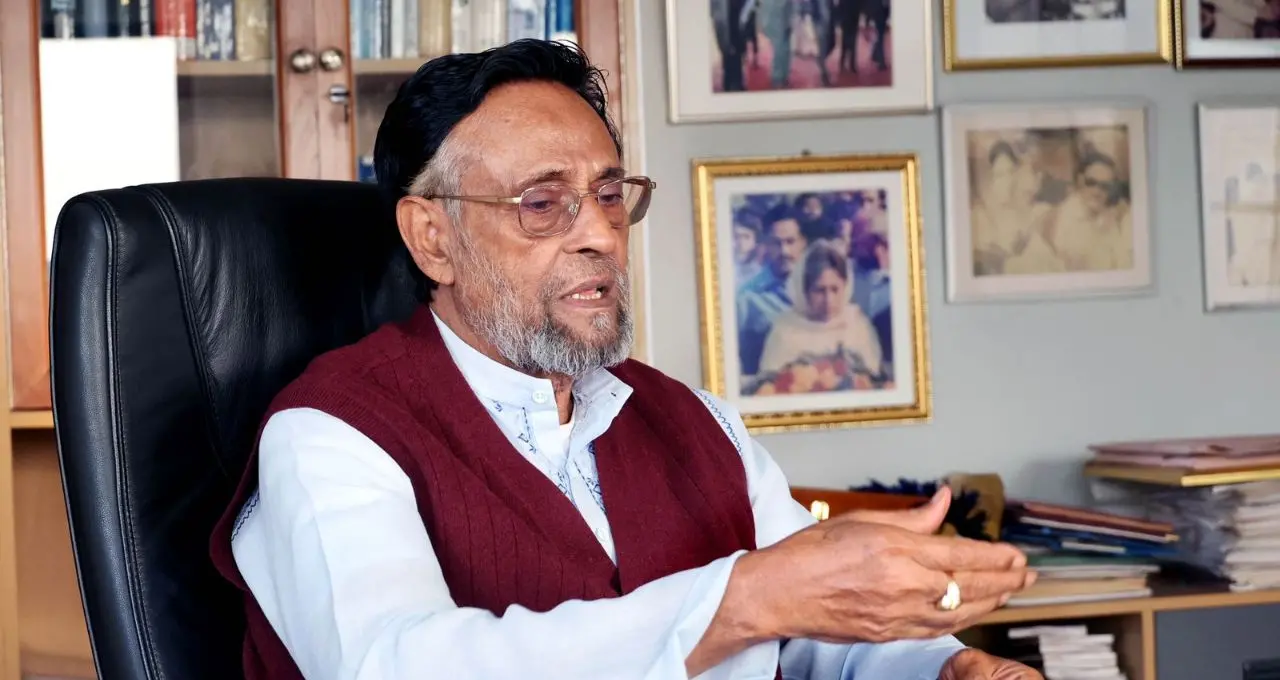
He was elected to Parliament from Thakurgaon-1 in the 2001 general election. He subsequently served as Minister of State for Agriculture and Minister of State for Civil Aviation and Tourism.
He later became acting Secretary General of the BNP and was formally appointed the party’s Secretary General in 2016.
After being nominated for the presidency, Fakhrul resigned as party Secretary General and from the BNP Standing Committee. His nomination was formally submitted to the Election Commission by the party.
The opposition alliance has nominated retired Colonel Oli Ahmed against Mirza Fakhrul. Oli Ahmed is the chairman of the Liberal Democratic Party (LDP) and has been active in Bangladeshi politics for several decades.
He was awarded the Bir Bikram honour for his role in the 1971 Liberation War.
After retiring from the military, Oli Ahmed entered politics. He was among the early leaders of the BNP and held important responsibilities in the government led by former Prime Minister Khaleda Zia. After the BNP came to power in 1991, he served as a minister.
He later separated from the BNP following political differences and founded the Liberal Democratic Party in 2006. He has since served as the LDP chairman. He has also been elected to Parliament several times.
Oli Ahmed is the candidate of the 11-party opposition alliance led by Jamaat-e-Islami, rather than solely a candidate of Jamaat-e-Islami. The alliance has put forward his name for the presidential election, creating a formal contest between the ruling side and the opposition alliance.
The BNP and its allies hold a two-thirds majority in Parliament. If the presidential vote takes place, the number of lawmakers supporting the BNP candidate could determine the outcome.
The presidency in Bangladesh is primarily constitutional and ceremonial, while executive power under the parliamentary system rests with the prime minister and the government.
After a series of uncontested presidential elections since 1991, the decision by two political camps to nominate candidates has created a contested presidential race. The BNP returned to power after the 2026 general election and holds a b position in Parliament, while the opposition alliance has fielded a candidate for the presidential election.
If both candidates’ nominations are declared valid, lawmakers will vote to elect the president on August 20. The BNP’s two-thirds parliamentary majority places Mirza Fakhrul in a b position in the presidential election.
The proposed contest, nearly 35 years after Bangladesh last held a contested presidential election, comes after the country’s recent political changes and the vacancy created by Mohammed Shahabuddin’s resignation.