Counting Begins for Eight Bihar Legislative Council Seats Amid CCTV Controversy in Patna
Counting for the eight Bihar Legislative Council seats began at 8 am on October 27, 2026. The election covers four graduate constituencies and four teachers’ constituencies. Political parties, candidates and their supporters are awaiting the results as counting proceeds across the constituencies. A controversy over the availability of CCTV cameras at a counting centre in Patna has also drawn attention to monitoring arrangements during the process.
Polling for the eight seats was held on October 23. Graduate and teacher voters exercised their franchise in the election, which covers the Patna, Darbhanga, Tirhut and Kosi graduate constituencies and the Patna, Darbhanga, Tirhut and Saran teachers’ constituencies. The outcome for each seat will become clear after the counting process is completed and the official results are declared.
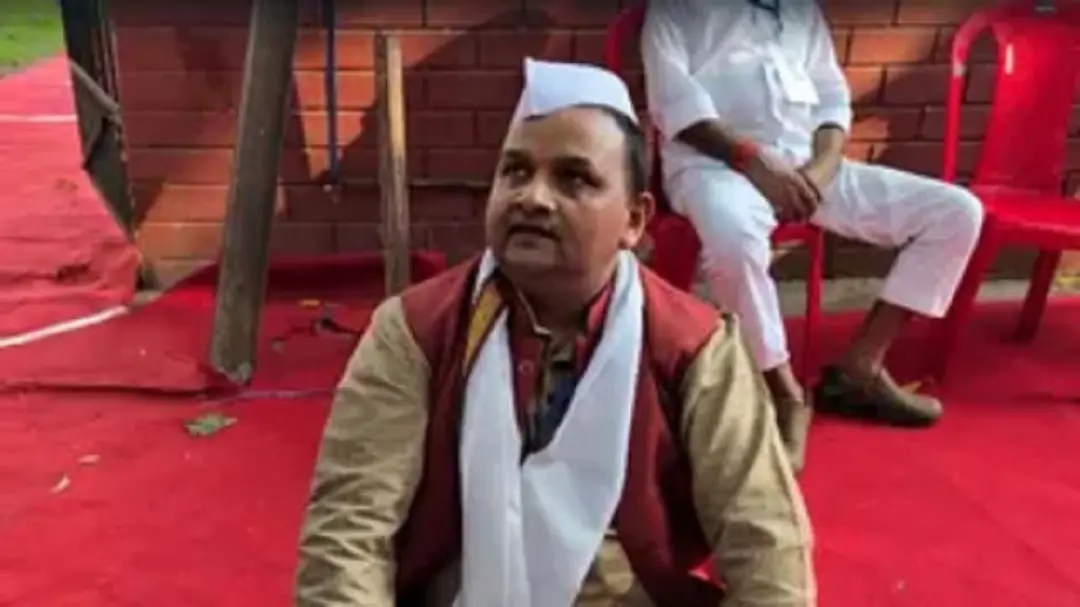
A controversy over CCTV cameras emerged at the counting centre in Bankipur, Patna. Dr Sanjay Kumar, the Congress candidate for the Patna teachers’ constituency, alleged that CCTV cameras were not available at the counting centre and staged a protest by sitting on a dharna. He said that an important process such as vote counting should have adequate monitoring arrangements to ensure oversight and minimise the scope for doubts about the proceedings.
The availability of cameras and the adequacy of monitoring arrangements have become points of discussion at the Patna centre. Counting transparency is an important issue for candidates because the final results are determined through this process.




Jan Suraaj candidate Anuj Singh also raised questions about the arrangements and monitoring at the counting centre. The CCTV-related dispute intensified political activity at the venue and brought the security and oversight arrangements under scrutiny. However, the allegations and the actual status of the CCTV arrangements require confirmation through official statements from the relevant authorities and information about any inquiry.
A total of 150 candidates are contesting the election, including 90 candidates from the graduate constituencies and 60 from the teachers’ constituencies. With contests taking place across eight seats, candidates are closely monitoring each stage of the counting process. Several sitting Legislative Council members are also seeking re-election.
The final results will establish which candidates secure representation in the Legislative Council for the next term. Results for the four graduate constituencies and four teachers’ constituencies will be determined separately.
According to the final polling figures, turnout across the four teachers’ constituencies stood at 82.85%, while the four graduate constituencies recorded turnout of 53.42%.
The Saran teachers’ constituency recorded the highest turnout among the teachers’ seats at 89.05%. Among the graduate constituencies, Tirhut recorded the lowest turnout at 48.51%.
The figures indicate differences in voter participation across the constituencies. The polling percentages alone, however, do not establish which candidates will win. The outcome will be determined through the counting process and the declaration of official results.On October 26, leaders of the Rashtriya Janata Dal (RJD) visited the office of Bihar’s Chief Electoral Officer and called for transparency during counting. The party raised issues concerning the counting of votes, information on invalid ballot papers and the maintenance of clear records at each important stage of the electoral process.
Party representatives also sought appropriate opportunities for authorised candidate agents to observe counting in accordance with the rules and raise objections concerning ballot papers they consider questionable. The CCTV controversy at the Patna centre has added to the discussion surrounding monitoring and the conduct of the counting process.
The election covers constituencies in which voters are registered under eligibility requirements distinct from those applicable to general Assembly elections. Eligible registered graduates vote in graduate constituencies, while registered teachers who meet the prescribed qualifications and conditions vote in teachers’ constituencies.
Representatives elected from these constituencies serve in the Legislative Council. The results are therefore being watched by the education community, teachers’ organisations, graduate voters and political parties.
The counting process uses a preferential voting system in which voters rank candidates in order of preference. First-preference votes are counted initially. A candidate who reaches the prescribed winning quota can be declared elected.
If no candidate secures the required quota, candidates with fewer votes may be eliminated in accordance with the applicable election rules. Votes can then be transferred based on the next preferences marked on the remaining valid ballot papers. The process continues until the result is determined under the relevant rules.
This system can make counting take longer than a straightforward count based solely on direct vote totals.
Candidates and their representatives at the Patna counting centre are awaiting action by the authorities following the questions raised over CCTV cameras. The handling of such a dispute involves formally recording the complaint, examining the issue and providing candidates with the information available under the applicable rules.
Security arrangements, monitoring of ballot papers, the presence of authorised agents and the proper maintenance of counting records are important components of the electoral process. The official response from election authorities and information arising from any inquiry will be necessary to establish the status of the CCTV-related allegations.
The results are being awaited across all eight seats following a contest involving 150 candidates. The four graduate constituencies are Patna, Darbhanga, Tirhut and Kosi, while the four teachers’ constituencies are Patna, Darbhanga, Tirhut and Saran.
The completion of counting and the declaration of official results will establish which candidates have won and which have lost. Meanwhile, the CCTV controversy in Patna and questions concerning transparency in the counting process remain part of the election-related developments.