Bihar is preparing to connect students studying in madrasas with modern technical education. Alongside traditional education, madrasas in the state are proposed to provide information on modern subjects such as artificial intelligence (AI), robotics and drone technology, with the aim of preparing students for the changing technological environment and connecting them with future employment and self-employment opportunities.
The initiative places emphasis on providing free skill training in modern technologies. This could give students who may not have easy access to expensive private institutions or specialised training centres an opportunity to learn new technologies. The effort is also being viewed as an attempt to link technical training with education at the school level.
AI is increasingly being used in education, healthcare, banking, industry, agriculture, security and digital services. As demand for AI-related skills is expected to increase in the coming period, providing madrasa students with an introductory understanding of AI could help prepare them for further education and careers.
Students could initially be introduced to computers and digital technology, followed by basic concepts of AI, data, automation and the use of AI in everyday work. The level of training would need to be determined according to students’ age and educational ability.
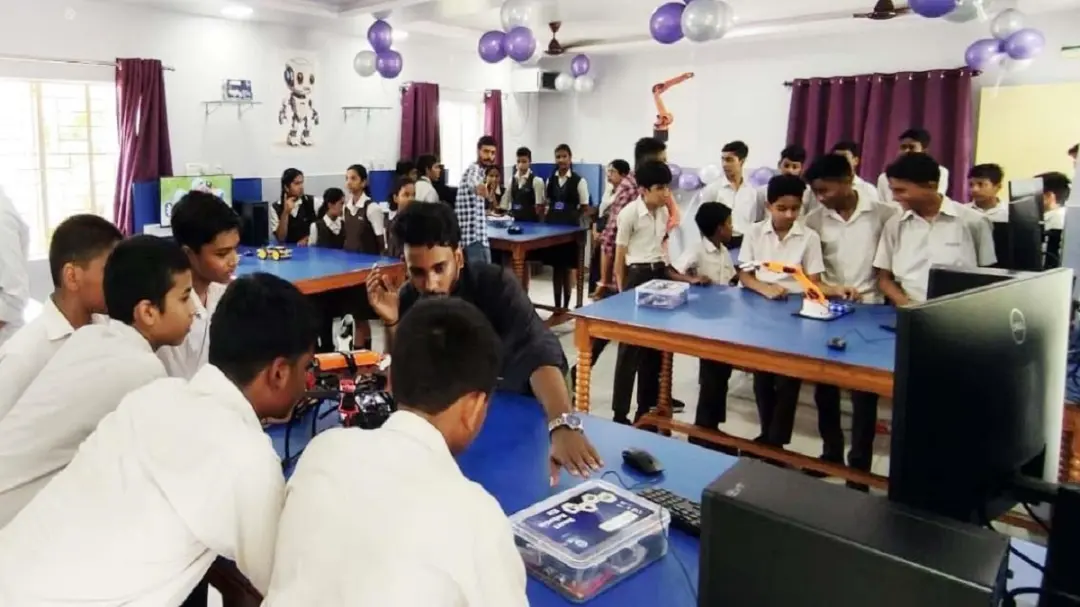
Robotics training could provide students with basic knowledge of machines, sensors, programming and automated technology. Through practical-based training, students could learn how robots are designed, how they operate according to instructions and how different technological devices are used.



Rather than immediately introducing students to complex technical subjects, robotics training could begin with basic electronics, sensors, motors, programming and small projects. This could provide students with opportunities to learn through practice and increase their interest in technology.
Drone technology has applications in agriculture, surveying, photography, disaster management, surveillance and several commercial sectors. The proposed training could provide students with introductory knowledge of drone technology and its safe use, helping connect them with the modern employment market.
Safety would need to receive particular attention in drone training. Along with flying techniques, students would need information about applicable rules, permissions, airspace and safe operations. Understanding responsible use would therefore form an important part of the technical training.
The initiative is intended to focus not only on theoretical knowledge but also on skill-based training. Practical experience is important in technical education. Practice with computers, robotics kits, drones and other technical equipment could help students develop problem-solving abilities and technical understanding.
Free training could be particularly relevant for students who cannot afford private technical courses for financial reasons. Expensive computer courses and private institutions are not accessible to every family, while free training at the government or institutional level could potentially extend the facility to a larger number of students.
The initiative would increase the need for basic digital infrastructure in madrasas. Computer laboratories, internet connectivity, smart classrooms and trained teachers or trainers would be important for its implementation. Institutions that already have computer facilities could potentially begin training more easily.
Teachers would also need to become familiar with new technologies. Providing training only to students may not allow the system to remain effective over the long term. Knowledge of digital tools, AI-based educational resources and technical activities could help teachers support students’ continued learning.
The requirement for infrastructure and trained personnel could be particularly relevant for madrasas in rural areas and small cities, where students often have to travel to district headquarters or larger cities for modern technical training. Providing training locally could allow more students to access it.
A large number of students in Bihar receive education in madrasas. Adding modern technical skills alongside traditional subjects could broaden the scope of their education and allow students to pursue areas such as technical education, computers, engineering and digital services according to their interests.
The potential benefits of technical training would not be limited to employment. Young people with knowledge of AI, robotics and drones could potentially start small businesses or technical service centres. Possible self-employment areas could include drone-based agricultural surveys, digital services, computer training and services involving technical equipment.
Training in AI and robotics could also encourage scientific thinking and experimentation. Finding technical solutions to problems, giving instructions to machines, drawing conclusions from data and developing small projects could help students develop their creative abilities.
Connecting the initiative with employment would also be important. Instead of limiting the programme to completion of training, arrangements could be developed to connect students with certificates, further education, apprenticeships, internships and employment opportunities.
As the employment market changes, traditional educational qualifications alone are not sufficient in many areas. Companies also value technical skills, digital understanding and practical capabilities. Providing modern skills to madrasa students could therefore expand their career options.
The initiative could also broaden access to technology-based education. AI and robotics remain new subjects for many students. Explaining these technologies in simple language and through practical methods at the school and madrasa education levels could reduce hesitation among students towards technical subjects.
The initiative could require continued attention to training quality, equipment availability and trainer competence. If implemented successfully in Bihar, other modern technical fields could also potentially be linked with madrasa education in the future, including cybersecurity, digital marketing, computer programming, data analytics and other employment-oriented skills.
The proposed introduction of AI and robotics education in madrasas could create scope for greater coordination between traditional and modern knowledge. It would give students an opportunity to understand future technological requirements alongside their existing education.
Overall, the proposed free skill training in AI, robotics and drone technology in Bihar’s madrasas is intended to provide students with modern technical skills and potential career options. From basic computer and digital knowledge to practical training in robotics and drones, the initiative focuses on preparing students for the future employment market, with infrastructure, trained trainers, certificates and employment-linked facilities identified as important factors for reaching a larger number of madrasa students.