Brain tumors result from the abnormal and rapid growth of brain cells and can pose serious health risks. Key causes include gene mutations, radiation exposure, chemical contact, and weakened immunity. Timely diagnosis and treatment, coupled with modern neurosurgical techniques, can help patients achieve complete recovery.
Brain Tumor: This serious brain disease occurs when cells begin to grow abnormally, forming space-occupying lesions. People worldwide, including India, can be affected by it. Causes of tumors include gene mutations, radiation, chemical contact, and weakened immunity. After early detection and diagnosis through CT/MRI, modern techniques such as surgery, radiotherapy, or chemotherapy are used in treatment. Timely treatment and family support are crucial for the patient's recovery.
What is a Brain Tumor and its Main Causes




A brain tumor forms due to the abnormal and rapid growth of brain cells, creating a Space Occupying Lesion (SOL) in the brain. According to experts, its primary causes include gene mutations, exposure to radiation, contact with pesticides and petroleum chemicals, and weakened immunity. Family history can also increase the risk, especially where a genetic defect is present in the family.
Tumors can occur at any age, but early detection and timely treatment can be life-saving. Ignoring symptoms in children and the elderly can lead to serious consequences.
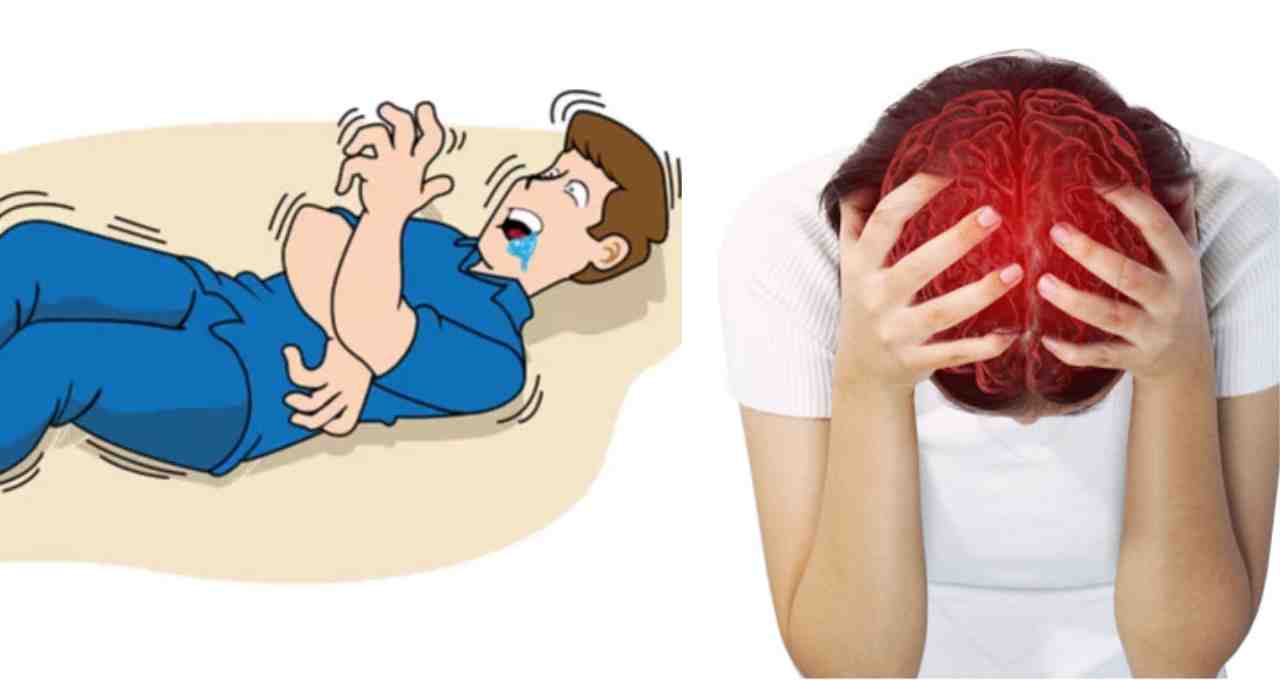
Symptoms of Brain Tumor
Symptoms of brain tumors can be varied, and ignoring them is dangerous:
- Headache and Vomiting: Persistent and severe headaches accompanied by morning vomiting indicate increased pressure in the brain.
- Seizures and Convulsions: Cases of sudden seizures or loss of consciousness can indicate the severity of the tumor.
- Behavioral and Mental Changes: The patient's behavior, speech patterns, or ability to concentrate may be affected.
- Physical Weakness and Vision Loss: Signs such as weakness in the limbs and decreased vision also point towards a brain tumor.
In children, frequent headaches, lethargy, loss of appetite, and vision problems should prompt immediate consultation with a doctor.
Treatment and Modern Techniques
Brain tumor treatment depends on the nature of the tumor (benign or malignant). CT scans and MRI are used for diagnosis.
- Surgery: The primary and effective measure for most benign tumors.
- Radiotherapy and Chemotherapy: Necessary after surgery for malignant tumors.
- Targeted Therapy: Helpful for specific types of cancerous tumors.
New techniques in neurosurgery, such as high-advance microscopes and navigation systems (AI and Robotic Technology), facilitate safe and precise surgery, minimizing damage to normal cells.
Recovery and Family Support
After a typical operation, stitches are removed in 10-15 days, and the patient can rest at home within 1-2 months. Emotional support from the family and regular follow-ups play a crucial role in the success of treatment and the patient's quality of life.
Brain tumors can be completely cured with timely detection and appropriate treatment. Awareness, vigilance, and modern techniques help in managing them.