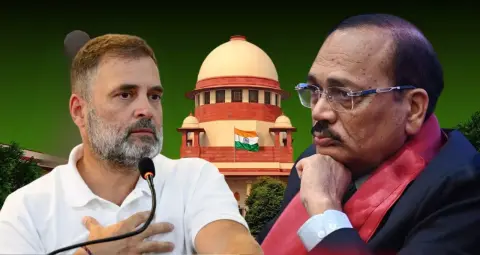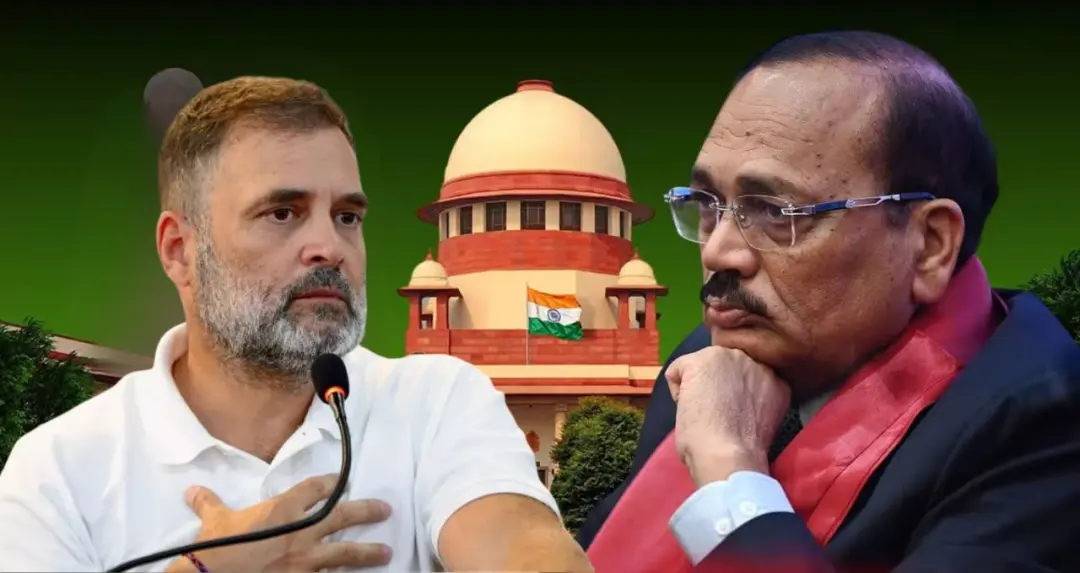
The Chief Justice of India (CJI), Surya Kant, on Monday declined a request from Leader of the Opposition in the Lok Sabha Rahul Gandhi and Congress president Mallikarjun Kharge for a meeting. The request concerned issues related to the Special Intensive Revision (SIR) of electoral rolls and Chief Election Commissioner Gyanesh Kumar.
According to available information, Rahul Gandhi had sought an appointment with the CJI to discuss the SIR process and matters concerning the Chief Election Commissioner. However, Surya Kant did not accept the request.
In an official email response to Rahul Gandhi, the CJI reportedly stated that a personal meeting to discuss these issues would not be appropriate because the relevant matters are already pending before the Supreme Court. The decision has brought renewed attention to the electoral roll revision process, election-related disputes and the role of the judiciary.




According to available information, Surya Kant made it clear that discussing matters through a personal meeting would not be appropriate while they are pending before the court. He also referred to the distinction between the roles of the judiciary and the government under the constitutional framework.
The CJI's position, as reported, was that judicial intervention in the government's administrative functioning is limited to the applicable constitutional framework. Citizens and political parties, however, retain the right to approach the courts through appropriate legal procedures to protect their rights.
According to sources, hearings on SIR-related cases were scheduled to take place in the Supreme Court on Tuesday. If opposition leaders file formal petitions on the issues, the court may consider them in accordance with established procedures. Further action will depend on the judicial process and the available legal grounds.
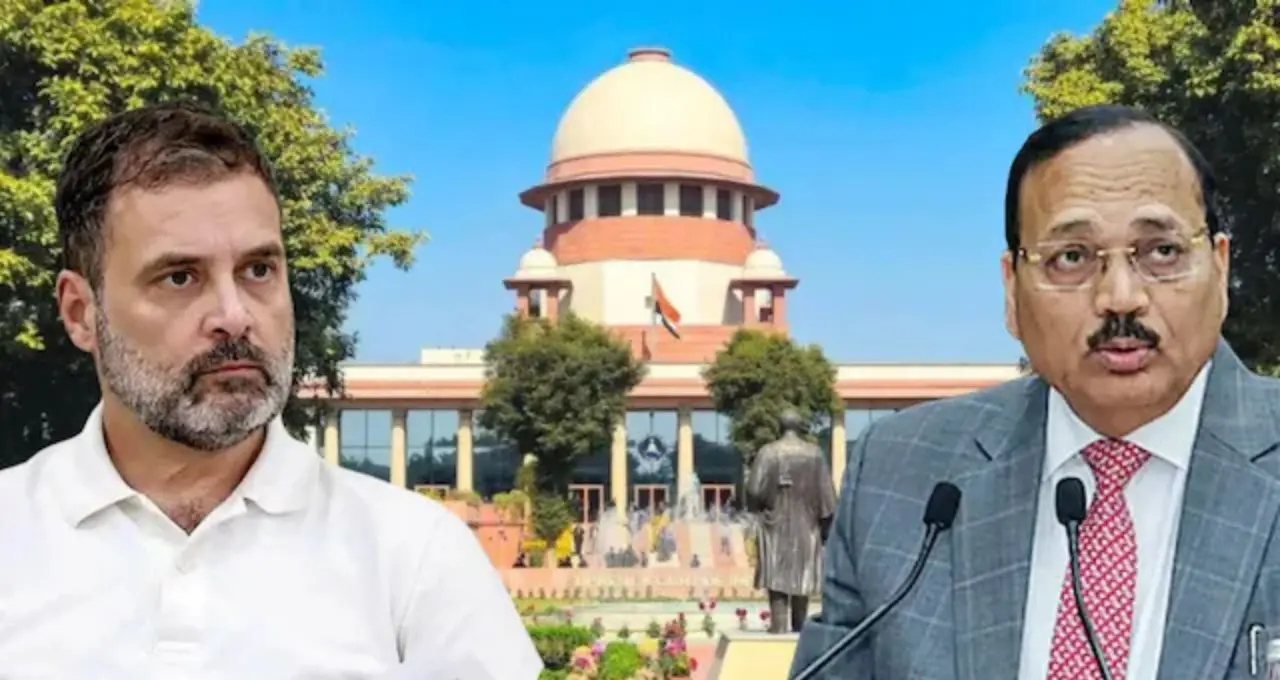
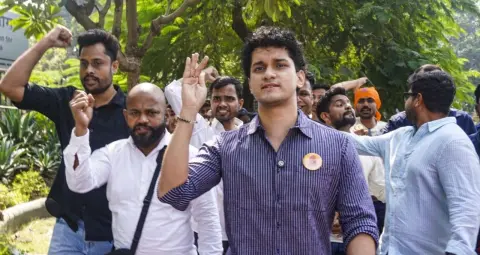
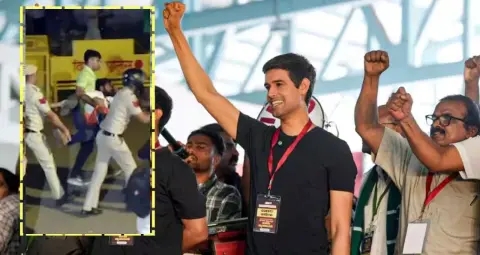
Before requesting a meeting with the CJI, Rahul Gandhi shared a video on social media platform X calling for a march to the Supreme Court in Delhi on October 12. He alleged that young people had been assaulted by police personnel and BJP supporters during an earlier protest. These allegations have not been independently verified.
In his message, Gandhi said the proposed march was intended to bring together political parties, young people, civil society and others who believe in democracy. He described the campaign as an effort to protect the Constitution and democratic rights.
The Congress leader said protesters planned to submit a memorandum to the CJI. Their key demands included action to prevent alleged vote theft, suspension of the SIR process and the resignation of Chief Election Commissioner Gyanesh Kumar.
Gandhi also referred to Prime Minister Narendra Modi, Union Home Minister Amit Shah, National Security Adviser Ajit Doval and Rashtriya Swayamsevak Sangh chief Mohan Bhagwat in his statement. He alleged that attempts were being made to suppress the voice of the country. These remain political allegations and should not be treated as established facts.
The Special Intensive Revision is a process for reviewing electoral rolls, examining voter records and updating the lists. Opposition parties have raised objections concerning voter rights, the potential deletion of names and the transparency of the process.
The opposition has argued that irregularities in electoral rolls could affect the credibility of the democratic process. Election officials and the relevant institutions, meanwhile, are responsible under the law for maintaining accurate and updated voter lists.
The resolution of the dispute will depend on the relevant facts, applicable legal provisions and judicial review.