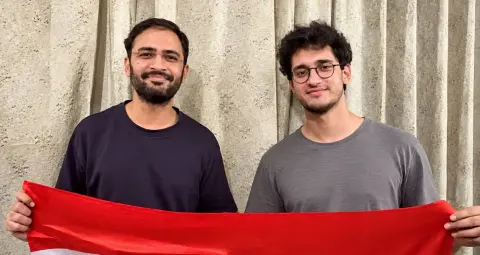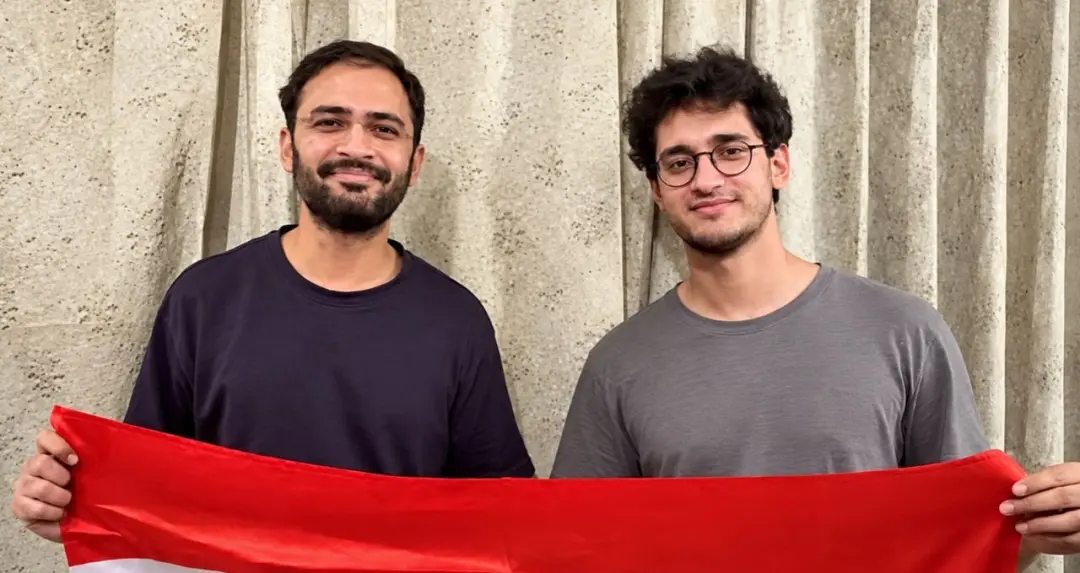
The Delhi court has granted bail to Cockroach Janata Party (CJP) leaders Saurav Das and Ashutosh Ranka, seven days after they were detained during a protest at Jantar Mantar. The special court ordered their release on a bond of ₹50,000. According to the available information, both leaders also gave written assurances that they would maintain peace and refrain from disturbing public order.
Das and Ranka arrived at Jantar Mantar in Delhi with their supporters on October 13. Reports indicate that around eight to 10 supporters accompanied them. The group had arrived carrying the national flag when Delhi Police detained the two leaders.
The background to the case includes a restriction imposed on protests at Jantar Mantar on October 12. According to the police action, the leaders were accused of violating rules relating to public order by arriving at the site the following day despite the restriction. They were subsequently sent to jail for five days, and their detention was extended by another two days on October 19.
The grant of bail does not amount to an acquittal. Further legal proceedings and investigation may continue.
Before securing bail, the two leaders approached the Delhi High Court, challenging the proceedings before the lower court and seeking relief. The High Court declined to intervene immediately and advised them to pursue the alternative judicial remedy available under the law.
During the hearing, the court questioned why the petition had been filed directly under Article 226 of the Constitution when a revision petition was available to challenge the magistrate's order.



The High Court allowed the petitioners to withdraw their existing petitions and pursue the appropriate legal remedy. Das and Ranka subsequently withdrew their petitions.
The decision did not establish the validity of the allegations against the leaders or constitute a final ruling on whether their rights had been violated. The court's focus was on the appropriate legal procedure for challenging the order.
Article 226 of the Constitution empowers High Courts to issue writs to protect fundamental rights and other legal rights. It allows individuals to challenge actions taken by government authorities and seek judicial intervention in appropriate circumstances.
A revision petition, meanwhile, may be used under the applicable legal provisions to examine the legality, propriety or procedural correctness of an order passed by a lower court.
The appropriate remedy depends on the order being challenged, the applicable law and the circumstances of the case. In this matter, the High Court directed the petitioners towards the available statutory remedy.
During the hearing, the court raised questions concerning the protest, public order and the conduct of the two leaders.
The court questioned how another dispute had arisen if the leaders had previously furnished bonds undertaking to maintain peace. It also asked on what basis the authorities' actions could be challenged if there were concerns about a possible breach of the bond conditions.
The hearing also addressed reports that protesters had crossed barricades and the possibility that such actions could affect public order. The court observed that protesters could seek permission from the relevant authorities to hold a peaceful demonstration. Such arrangements could help the police maintain law and order.
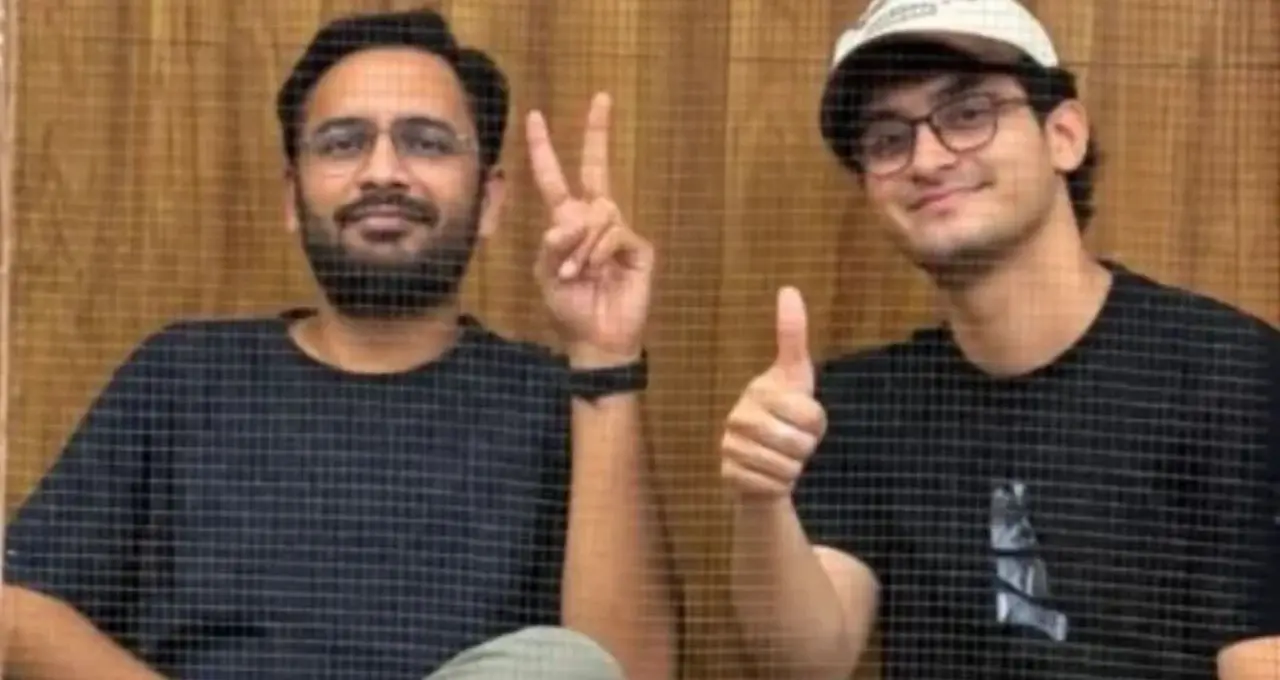
The court sought details about the petitioners' ages, activities and the objectives of their organisation. Their counsel stated that one leader was 27 years old and the other was 31. The court remarked that they were not members of Generation Z. Questions were also raised about the organisation's activities and the roles played by the two leaders.
The court further questioned why the leaders had gone to Jantar Mantar despite the restriction on protests. The hearing also referred to the earlier bonds and the dispute over the designation of Jantar Mantar as a protest site. A related matter was stated to be pending before the Supreme Court.
The hearing took place before Justice Subramonium Prasad. Advocate Abhik Chimni represented Das and Ranka. Additional Solicitor General Chetan Sharma and Central Government Standing Counsel Ashish Dixit appeared for Delhi Police.
Delhi Police has transferred the investigation into the Jantar Mantar case involving Das and Ranka to its Crime Branch. An earlier case registered at Connaught Place had also been transferred to the Crime Branch.
The Crime Branch will investigate both cases, examining the incidents, allegations and available evidence. The transfer of the investigations does not establish the guilt of any accused.
Amid the developments, a petition filed by AISA president Neha Bora has also drawn attention. She has challenged a Delhi Police notice requiring her to furnish a bond to maintain peace.
Bora has asked the High Court to quash the notice and direct the police not to take coercive action against her. Following a request from her lawyer, the hearing was postponed. According to the available information, the petition was scheduled to be heard on October 22.
The Cockroach Janata Party had earlier staged a prolonged protest at Jantar Mantar over the NEET paper leak case. According to the available information, the party held the demonstration from June 20 to July 25, demanding the resignation of then Union Education Minister Dharmendra Pradhan.
The protest lasted around 36 days. The account of the demonstration also refers to activist Sonam Wangchuk sitting on a hunger strike during the period. On July 20, the party attempted to march towards Parliament. The protest was called off on July 25.
The latest case has brought renewed attention to the rules governing demonstrations at Jantar Mantar, the requirement for protest permissions and the exercise of the right to peaceful assembly.