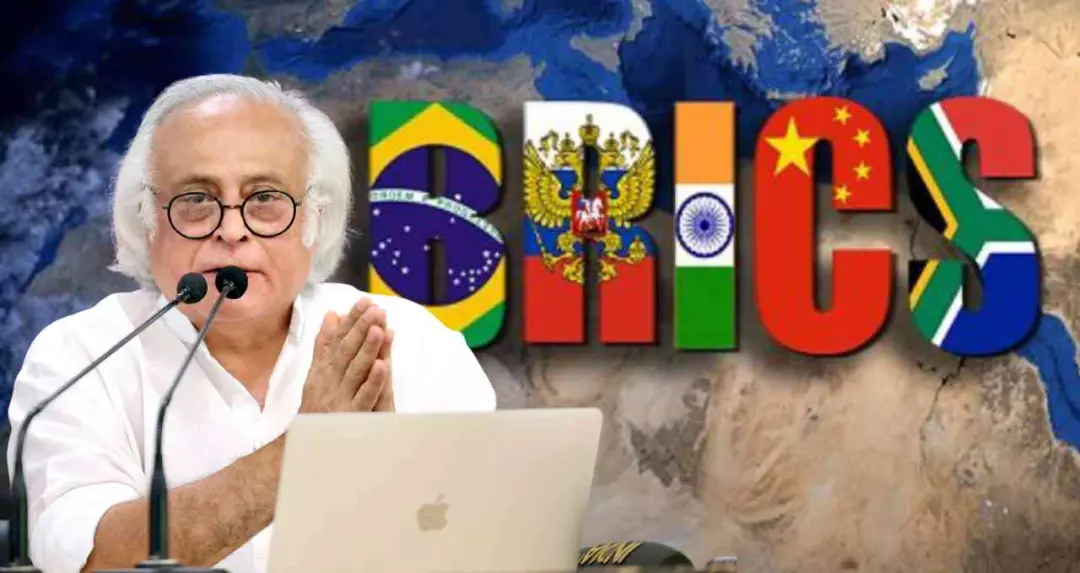
The ongoing 17-day conflict between Iran and Israel-United States has escalated international tensions and emerged as a diplomatic and religious sensitivity challenge for India during its BRICS+ presidency. The situation has triggered political responses in India, with the Indian National Congress criticising Prime Minister Narendra Modi over the government’s handling of the issue.
The Congress stated that, while holding the BRICS presidency, India was required to adopt cautious and responsible measures in addressing global conflict and religious sensitivities. The party said the developments have intensified discussion regarding India’s foreign policy approach and leadership strategy both domestically and internationally.




Congress General Secretary Jairam Ramesh said that India had not taken assertive steps during its BRICS presidency. He stated that during Brazil’s presidency in the previous year, a joint statement was issued by all member countries opposing airstrikes by the United States and Israel on Iran, whereas no such collective step has been taken by India.
Ramesh stated that in 2026, India holds the BRICS+ presidency, but has not issued any joint statement or diplomatic response regarding United States-Israel strikes on Iran, targeted killings, or the activities of the United States Navy in the Indian Ocean. He attributed this to what he described as Prime Minister Modi’s proximity to United States and Israeli leadership.
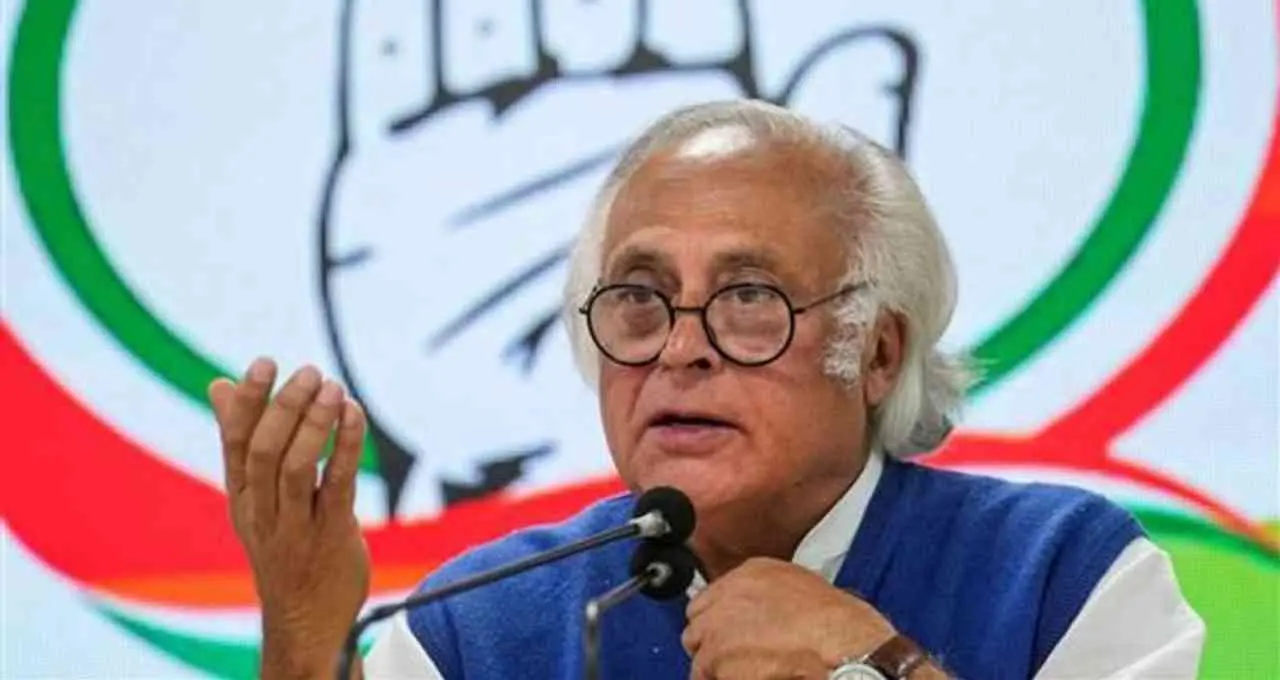
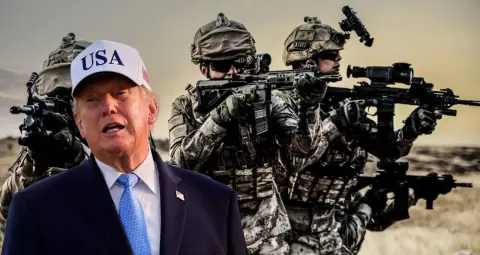
The Congress alleged that the Prime Minister’s actions are affecting the significance and international standing of the BRICS+ presidency. Ramesh stated that in efforts to maintain relations with United States President Donald Trump and Israeli Prime Minister Benjamin Netanyahu, the dignity of the BRICS presidency has been impacted.
The party stated that the current period of India’s presidency is sensitive as Iran is a BRICS member, while the United Arab Emirates and Saudi Arabia are also part of the grouping, and are engaged in conflict dynamics.
According to the Congress, Iran expects solidarity from BRICS member countries during India’s presidency. India’s role is considered sensitive as it is required to balance the interests of all parties and religious and cultural considerations.
External Affairs Minister S. Jaishankar has held discussions on the matter with Russian Foreign Minister Sergey Lavrov. It is understood that India has initiated preliminary diplomatic consultations with other BRICS members to prevent escalation of disputes and avoid any religious sensitivity-related crisis.
Experts stated that India’s principal challenge lies in maintaining balanced diplomacy among Iran, Saudi Arabia, and the United Arab Emirates amid ongoing tensions. India’s role under the BRICS+ presidency is being closely tested under the current circumstances.