A recent study has revealed that the air in Delhi is more polluted in the evenings compared to the mornings. The high levels of PM2.5 and PM10 particles during evening commutes pose a significant risk to lung health. Elderly individuals, children, pregnant women, and those with pre-existing health conditions are particularly vulnerable. Prolonged exposure to this situation can increase the risk of respiratory and cardiovascular diseases.
Delhi Air Pollution Alert: A new study has uncovered that evening air in Delhi is the most hazardous for air quality, significantly more so than in the mornings. Research conducted over five years by Netaji Subhas University of Technology and AARC Engineers & Consultants India indicates that PM2.5 and PM10 particle concentrations are higher during the evening hours, directly impacting lung health and overall well-being. This issue disproportionately affects children, the elderly, pregnant women, and individuals with pre-existing illnesses. Researchers attribute this heightened risk to traffic and smoke emissions from factories.
Why is Delhi’s Evening Air Becoming a Health Hazard?

A recent five-year study on Delhi’s air pollution has revealed a startling finding: evening air contains significantly higher levels of PM2.5 and PM10 particles compared to the morning. This directly impacts people’s lungs.
According to the study, the most toxic particles enter the body through inhalation during the evening. This isn’t a one-day occurrence; prolonged exposure to such pollution increases the risk of respiratory illnesses, lung weakness, and heart problems.
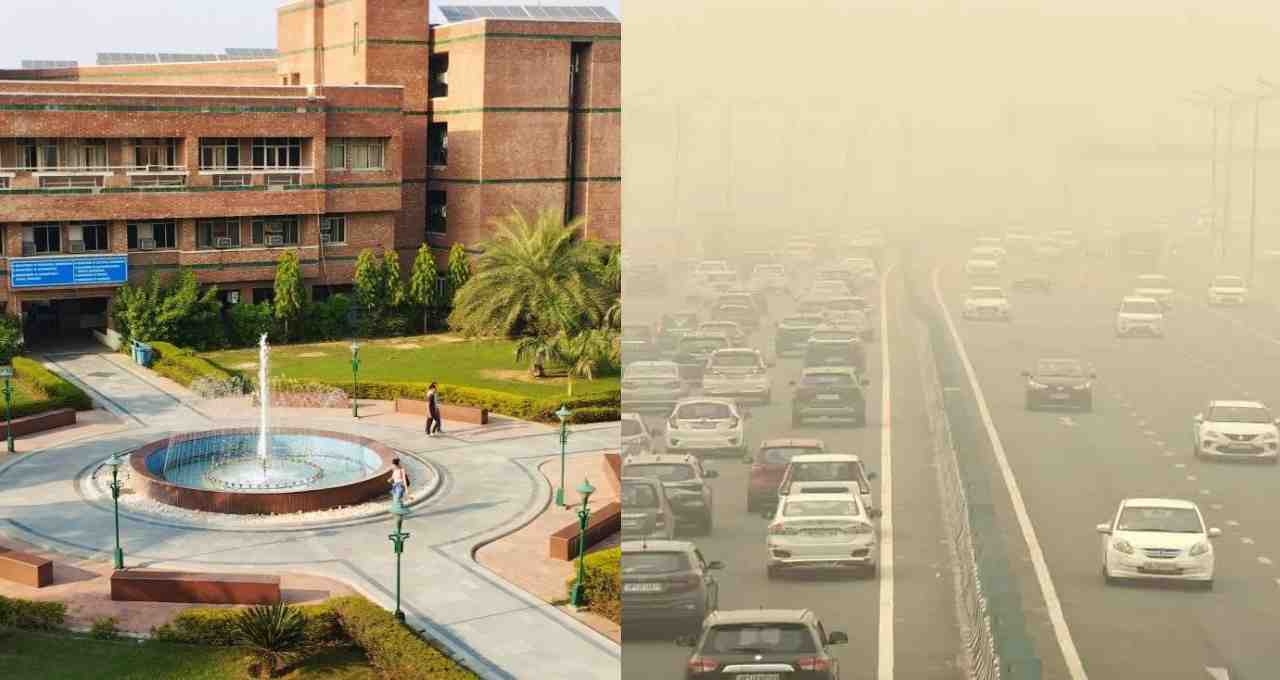
Traffic and Weather Combine to Degrade Air Quality
The research highlights that traffic congestion is at its peak during the evening hours. Long queues of vehicles, smoke from factories, and airborne dust combine to make the air increasingly toxic. Furthermore, when wind speeds decrease and temperatures drop, pollutants settle closer to the ground.
In these conditions, fine particles directly enter the lungs through breathing. Consistent exposure to this level of pollution increases the risk of persistent coughs, breathing difficulties, asthma, and bronchitis, particularly for those who commute during the evenings regularly.
Who is Most at Risk?
The study indicates that individuals who travel during the evenings via motor vehicles, buses, or auto-rickshaws are at the highest risk. Children, the elderly, and pregnant women are also more sensitive to this pollution due to their weakened immune systems.
Individuals already struggling with asthma, lung disease, or heart conditions face an even more serious situation. Specifically, those residing in or frequently traversing industrial or heavily trafficked areas may experience direct negative impacts on their health from evening commutes.