People in Delhi and NCR have not yet found any relief from the air, which has turned toxic since Diwali. A thick layer of smog covers the capital, reducing visibility and increasing health risks.
New Delhi: Air pollution in Delhi-NCR has once again reached alarming levels. Following Diwali, continuous rising pollution has left the capital's sky covered in dense smog, making it difficult for people to breathe normally. The air quality has deteriorated to such an extent that the Air Quality Index (AQI) has surpassed 400 in several areas, falling into the ‘severe’ category.

According to the Central Pollution Control Board (CPCB), Delhi's average AQI was recorded at 363 at 7 AM on November 25, indicating a ‘very poor’ category. This dangerous level of pollution has put the government and administration on high alert.
Government Issues Major Order: 50% Employees to Work From Home
In view of rising pollution, the Delhi government has taken a significant step, issuing an order for 50% of employees in government and private offices to work from home (WFH). The remaining 50% of employees will work from the office. This decision has been implemented under the directives of the Commission for Air Quality Management (CAQM) and the provisions of GRAP-III. The government has advised people to wear masks when stepping out, avoid unnecessary travel, and stay indoors as much as possible.
Situation Critical in Delhi: AQI 400+ in Many Areas
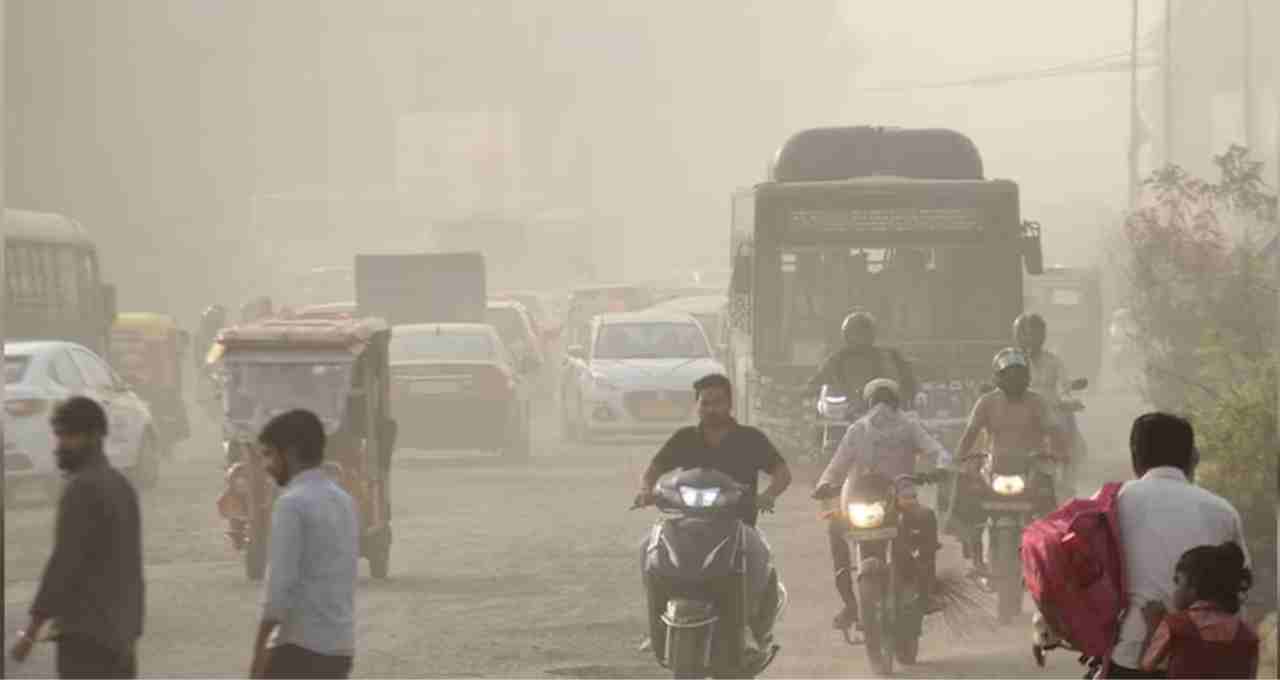
Air quality in several parts of the capital has reached the ‘severe’ category. This situation is extremely dangerous, especially for children, the elderly, pregnant women, and patients with respiratory illnesses.
- Anand Vihar - 402
- Rohini - 416
- Jahangirpuri Wazirpur - 400
- Dwarka - 379
- Chandni Chowk - 354
- ITO - 380
- Bawana - 388
- Burari - 382
- Ghaziabad, Vasundhara - 373
- Noida Sector - 62 - 352
- Gurugram Sector-51 - 338
These figures indicate that almost all parts of Delhi-NCR are highly polluted, and the air quality poses a severe threat to health. As the AQI rises, complaints of breathing difficulties, throat irritation, headaches, allergies, and eye irritation are also increasing in hospitals. Health experts have warned that continuous exposure to pollution increases the risk of asthma, bronchitis, and heart diseases.