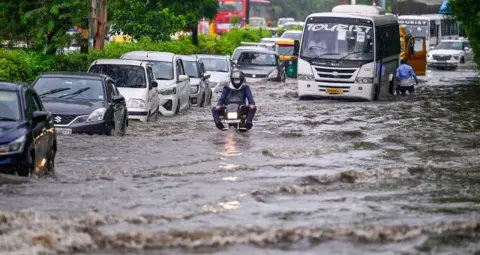
Doctors have advised avoiding wearing contact lenses in many parts of the country due to AQI exceeding 200 and rising PM2.5 levels. Microscopic particles present in pollution adhere to the eye surface, causing irritation, inflammation, and infection. Experts suggest that wearing glasses instead of lenses and frequently washing eyes is preferable.
Air Pollution impact on eyes: The Air Quality Index (AQI) has surpassed 200 in many parts of the country, leading to an increased impact of pollution on eyes. Doctors from AIIMS and Delhi Eye Centre have warned that wearing contact lenses can be dangerous for eyes in areas where PM2.5 levels exceed 100. Nitrogen dioxide, sulfur dioxide, and fine dust particles present in pollution stick to lenses, increasing the risk of irritation, itching, inflammation, and infection. Experts advise wearing glasses when going outdoors, using lubricating eye drops, and regularly washing eyes.
How PM2.5 particles harm the eyes
According to the World Health Organization (WHO), PM2.5 levels in the air should be below 100. However, in many areas of the country, these levels have reached 150 to 250. PM2.5 particles are extremely small, many times thinner than a strand of hair. They contain microscopic elements of sulfur dioxide, nitrogen dioxide, and carbon. When these are present in the air, they enter the body through breathing and the eyes through air contact.




Doctors state that these particles combine with the eye's moisture, causing issues like irritation, itching, and inflammation. This problem is particularly severe for people who wear contact lenses.
AIIMS Doctors Report – 50% Increase in Eye Patients
Dr. Rajesh Sinha, Professor of Ophthalmology at the R.P. Centre for Ophthalmic Sciences at AIIMS, stated that eye-related complaints have significantly increased in recent days. According to him, the number of patients complaining of irritation, dryness, and watery eyes has risen by approximately 50 percent.
He added that during pollution, microscopic particles in the air enter the eyes. This causes a gritty sensation and can damage the cornea. Many patients feel as if a grain of sand has entered their eye. These are actually small pollution particles that adhere to the surface of the eye.
Higher Risk for Contact Lens Wearers
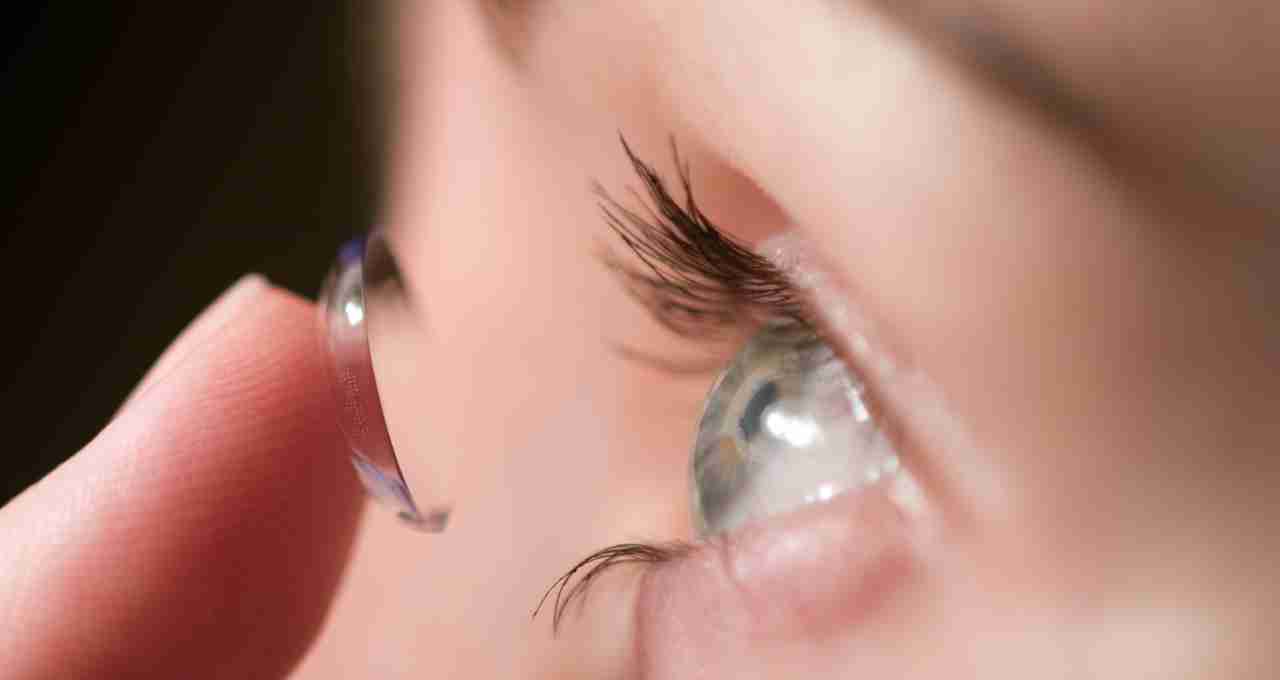
Dr. Harbansh Lal, Chairman and leading ophthalmologist at Delhi Eye Centre, explains that this period is extremely risky for people who wear contact lenses. He stated that lenses adhere directly to the eye's cornea. When an individual goes outdoors into polluted air, small particles like PM2.5 present in the air stick to the lens.
These particles gradually begin to damage the eye surface. This leads to dry eyes, increased itching, and sometimes even corneal inflammation. Prolonged lens wear increases the risk of infection, which can even lead to ulcers in the eyes.
Doctors' Strict Warning Amidst Rising AQI
Experts state that in areas where the AQI exceeds 200 and PM2.5 levels are above 100, wearing contact lenses should be avoided. If a person does wear lenses, they should refrain from staying outdoors for long durations.
Dr. Harbansh Lal says that wearing lenses indoors, at the office or home, is acceptable, but in open environments with high dust and pollution, it can become a risk to the eyes. Exposure to pollution causes dirt and chemical elements to stick to the lenses, multiplying the risk of eye inflammation and infection.
Experts' Advice for Eye Protection
Ophthalmologists emphasize that eye protection is crucial during this season. One should wear glasses when going outdoors to prevent dust and pollution from directly reaching the eyes. Additionally, eyes should be washed several times a day with cold water.
According to Dr. Lal, using lubricating eye drops is beneficial to reduce the effects of pollution. This helps maintain eye moisture and reduces dryness. If there is irritation or itching in the eyes, they should not be rubbed, as this can worsen the condition.