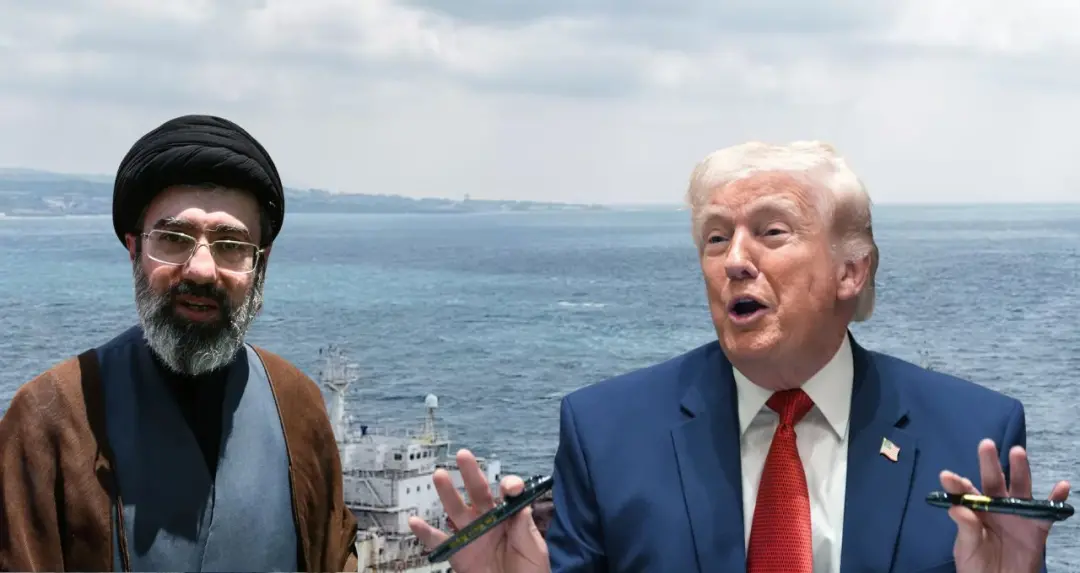
Donald Trump said Chinese President Xi Jinping had indicated that China was prepared to help keep the Strait of Hormuz open, as Iran introduced new maritime protocols and appealed to BRICS countries to condemn the United States and Israel amid rising regional tensions.
Trump’s remarks have intensified international discussion over the strategic waterway, one of the world’s most important oil transit routes that carries a significant share of global energy supplies.
In an interview, Donald Trump said Xi had signalled that China would be willing to assist if required in ensuring the Strait of Hormuz remains operational.
According to Trump, China purchases large volumes of Iranian oil and its economic and energy security are directly linked to the stability of the Strait of Hormuz. He said it is therefore in China’s interest to ensure that the strategic route remains open and secure.
Trump also said the United States does not have a particular need for the Strait of Hormuz to remain open, adding that regional allies could manage dependence on the route.
Iran, meanwhile, introduced new regulations for vessels transiting through the Strait of Hormuz. Reports said ships using the route would now be subject to Iranian monitoring and approval procedures.


Iran said the measures were necessary for security and regional stability, while Western countries viewed the move as strategic pressure.
Iran also urged BRICS countries to criticise the policies of the United States and Israel and adopt a united position against what Tehran described as violations of international law.
A cargo vessel from Gujarat, identified as “Haji Ali”, sank near Oman after what was described as a suspected attack. All 14 crew members were rescued safely. The incident raised further concerns over maritime security in the region.
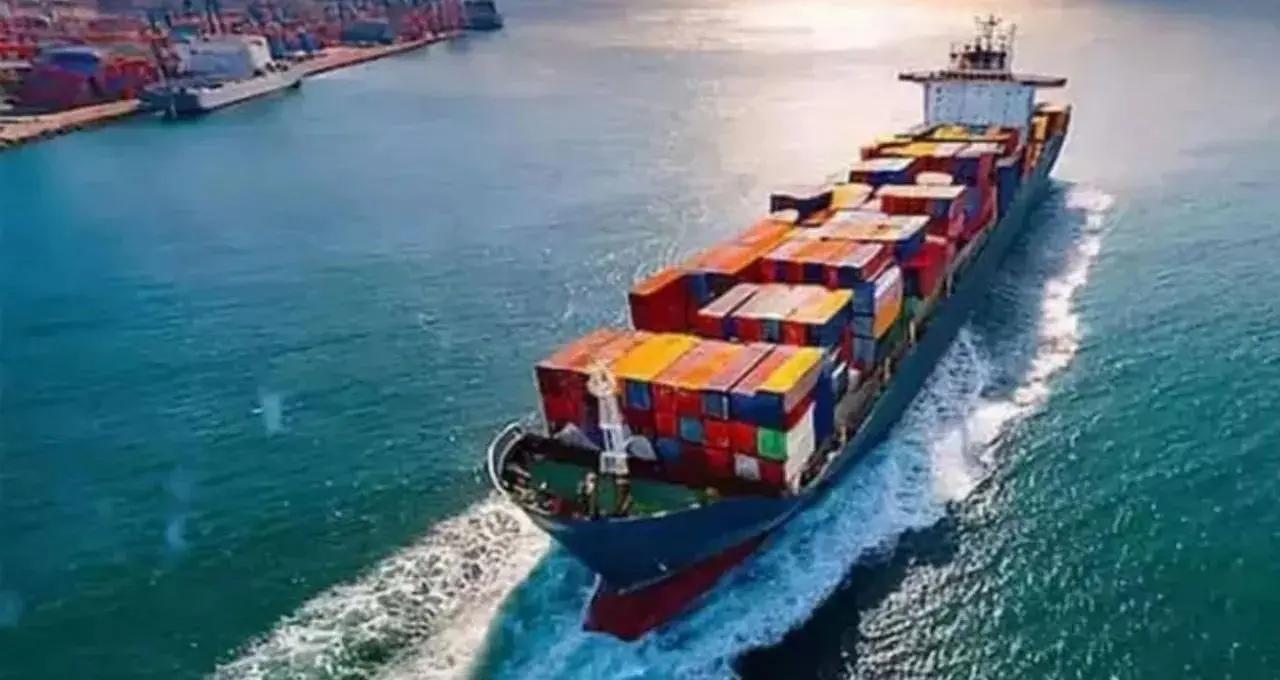
According to Iranian media reports, several Chinese vessels were permitted to transit the Strait of Hormuz under the supervision of the Islamic Revolutionary Guard Corps (IRGC). The development was viewed as a sign of strategic cooperation between China and Iran.
Iranian Foreign Minister Abbas Araghchi said countries working with Israel against Iran would face serious consequences. The statement added to regional tensions.
During a BRICS meeting in New Delhi, Iran appealed to member countries to criticise the United States and Israel. Tehran alleged that Western countries were violating international law.
According to the United States Central Command (CENTCOM), nearly 70 commercial ships altered their routes following heightened tensions in the Strait of Hormuz, affecting global shipping operations.
Araghchi said threats and military pressure would not achieve results and stated that Iran had faced such pressure for years and would continue to do so. He also said any military action against Iran would receive a response similar to previous retaliatory actions.
Iran said regional stability could only be achieved through dialogue and diplomacy rather than war and threats.
Trump warned Iran that Tehran should reach an agreement with the United States on its nuclear programme and regional activities or face serious consequences.
He said the United States had full knowledge of Iran’s military activities and weapons infrastructure. Trump also claimed Iran had moved certain missiles and weapons from underground facilities.
He reiterated that Washington’s primary concern was ensuring that Iran does not develop nuclear weapons.
Trump further said the United States does not have an “extreme need” for the Strait of Hormuz to remain open, while China, India and other Asian countries are more dependent on the route.
Experts, however, said any disruption in the Strait of Hormuz could trigger a sharp rise in global oil prices. Reports indicated increases had already been recorded in international oil and jet fuel markets.
Saudi Arabia and several Middle Eastern countries are considering a possible non-aggression agreement with Iran. The proposal is reportedly being modelled on the 1975 Helsinki Accords.
The proposal aims to establish a long-term regional peace and security framework under which participating countries would commit not to attack one another.
Experts said the success of such an agreement would depend on which major countries participate and whether Israel joins the initiative.