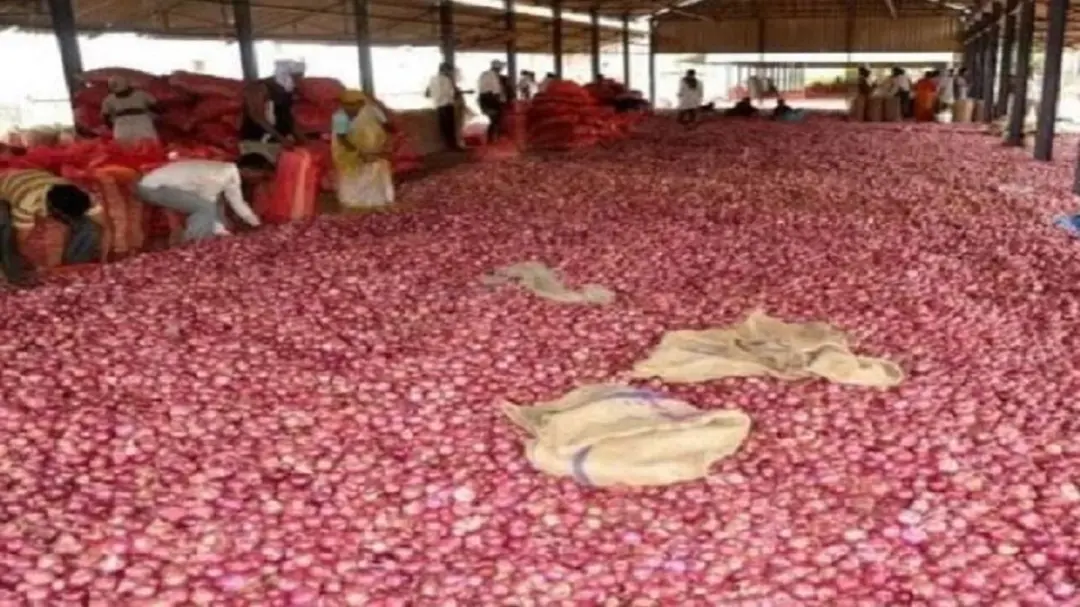
Onion prices have started putting pressure on household budgets in Haldwani again, with wholesale rates at the Haldwani mandi rising sharply over the past around 10 days. During this period, onion prices have increased by around ₹20 per kg, while retail prices have crossed ₹60 per kg.
Onion prices have been rising continuously over the past few days. Reports of higher onion prices have also emerged at the national level, with retail rates reported to have crossed ₹60 per kg in several markets.
According to experts, factors including supply shortages, weather-related conditions and difficulties in transporting produce to mandis can affect vegetable prices.
The rise in onion prices at the Haldwani mandi is directly reflected in retail shops. After onions are purchased from the mandi, transportation costs, sorting, losses from spoiled onions and the retailer’s margin are added before the product reaches consumers. This creates a difference between wholesale and retail prices and increases the monthly expenses of families that purchase onions regularly.
Vegetable traders said the sudden rise in onion prices has changed the market’s pricing structure. Onions that were being purchased at normal prices earlier now require traders to spend more. After wholesale procurement becomes more expensive, retail sellers have limited options other than increasing prices. However, rates can vary between shops and according to onion quality.




The impact of higher onion prices is not limited to household kitchens. Onions are used in everyday food and vegetables in almost every household in India, including dal, vegetables, chutney, salad and several other dishes.
Hotels, restaurants, roadside eateries, fast-food businesses and events such as weddings also consume significant quantities of onions. Higher onion prices therefore affect food costs for these businesses.
As a major trading centre, changes in onion prices in Haldwani can also affect surrounding areas. Retail rates in nearby towns and markets are influenced by the prices of produce arriving at the mandi.
If wholesale prices remain elevated for some time, the impact on consumers could increase. Conversely, a rise in mandi arrivals could lead to some decline in prices.
The balance between supply and demand is one of the most important factors behind changes in onion prices. When sufficient quantities reach mandis, pressure on prices remains lower. However, if arrivals decline or demand increases, wholesale prices can rise rapidly.
Transportation and retail costs are then added to the wholesale price, increasing the amount consumers have to pay.
Weather is another factor that can affect onion prices. Rain, excessive heat or moisture in different parts of the country can affect both crops and storage.
Proper storage facilities are required to preserve onions for longer periods. If the quantity of onions damaged during storage increases, prices of good-quality onions available in the market can rise.
Amid rising prices at the Haldwani mandi, consumers are watching how rates move in the coming days. If fresh arrivals increase and adequate stocks reach the mandis, prices could decline. If supply-related problems continue, retail onion prices could remain elevated for some time.
Traders are also watching the next consignments arriving at the mandi. If sufficient quantities of onions reach Haldwani from outside, market supply could increase, potentially raising competition among wholesale traders and putting pressure on prices. If arrivals remain weak, the current rise could continue.
Consumers have called on the government and administration to increase market monitoring. They have said that wholesale and retail prices should be regularly checked to prevent unnecessary profiteering at any level.
Prices of commodities can rise because of supply and demand, but consumers have also called for the actual reasons behind price increases to be examined and for transparency to be maintained in the market.
Prices of other vegetables are also being monitored alongside onions. Recent reports have mentioned increases in vegetable prices in several parts of the country.
If prices of several essential vegetables rise at the same time, household monthly budgets can be directly affected. For lower- and middle-income families in particular, even a small increase in the prices of everyday food items can affect total expenditure.
After onion prices increased in Haldwani, discussions between shopkeepers and customers over prices have also increased. Customers may choose to purchase smaller quantities or postpone purchases, while shopkeepers are concerned that expensive procurement could affect sales.
Demand for an everyday commodity such as onions can be affected when prices rise, but consumption does not end completely because onions remain an essential part of food.
At present, the increase in onion prices has added to concerns among consumers in Haldwani. The wholesale price has risen by around ₹20 per kg in about 10 days, while the retail price has crossed ₹60 per kg. Reports of sharp increases in onion prices have also emerged at the national level.
The key question in the market is how long the rise in onion prices will continue. If arrivals improve and supply returns to normal, prices could decline. If supply-related difficulties persist, higher onion prices could put further pressure on household budgets. Consumers in Haldwani are currently paying more for onions than before, while traders and customers are watching the mandi rates in the coming days.