In winter, the risk for high blood pressure patients increases because cold weather causes blood vessels to constrict, leading to a natural rise in BP. According to doctors, this season puts additional strain on the heart, increasing the risk of heart attack and stroke. By taking the right precautions, this danger can be significantly reduced.
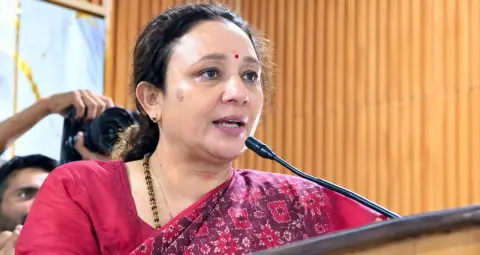
High Blood Pressure in Winter: In cold weather, the situation becomes even more challenging for high BP patients because as temperatures drop, the body's blood vessels constrict, and the heart has to work harder to maintain normal blood flow. Dr. L.H. Ghotekar from Lady Hardinge Hospital in Delhi explains that symptoms associated with heart attack, stroke, and high BP can rapidly increase during cold days. Therefore, it is crucial for patients to adopt precautions such as wearing warm clothes, regular exercise, consuming less salt, and taking medication on time to keep blood pressure under control.




How Cold Affects the Heart
According to doctors, a cold environment puts stress on the body, forcing the heart to work harder to maintain normal blood flow. Reduced physical activity in the cold can lead to weight gain, which further exacerbates uncontrolled BP. This is why the likelihood of heart attacks, strokes, and problems associated with high BP increases during winter.
When blood pressure rises, several symptoms may appear, such as headache, chest pain, dizziness, blurred vision, shortness of breath, fatigue, and swelling in the feet. Occasionally, nosebleeds may also occur. Ignoring these signs can be dangerous.
Precautions for High BP Patients in Winter
Dr. Ghotekar advises that keeping the body warm is most essential in the cold. Wear warm clothes when going out and protect yourself from cold air. Light exercise, walks, yoga, and stretching improve blood circulation and keep BP under control.
Consume less salt and avoid fried foods. In winter, people generally drink less water, which can lead to dehydration and a rise in BP. Therefore, it's crucial to drink adequate water throughout the day. Alcohol and smoking abruptly increase BP, so they should be completely avoided. Take medications on time and regularly monitor BP with a home BP monitor. Meditation is highly beneficial for reducing stress.
Also keep these points in mind:
- Avoid going out in the intense morning cold.
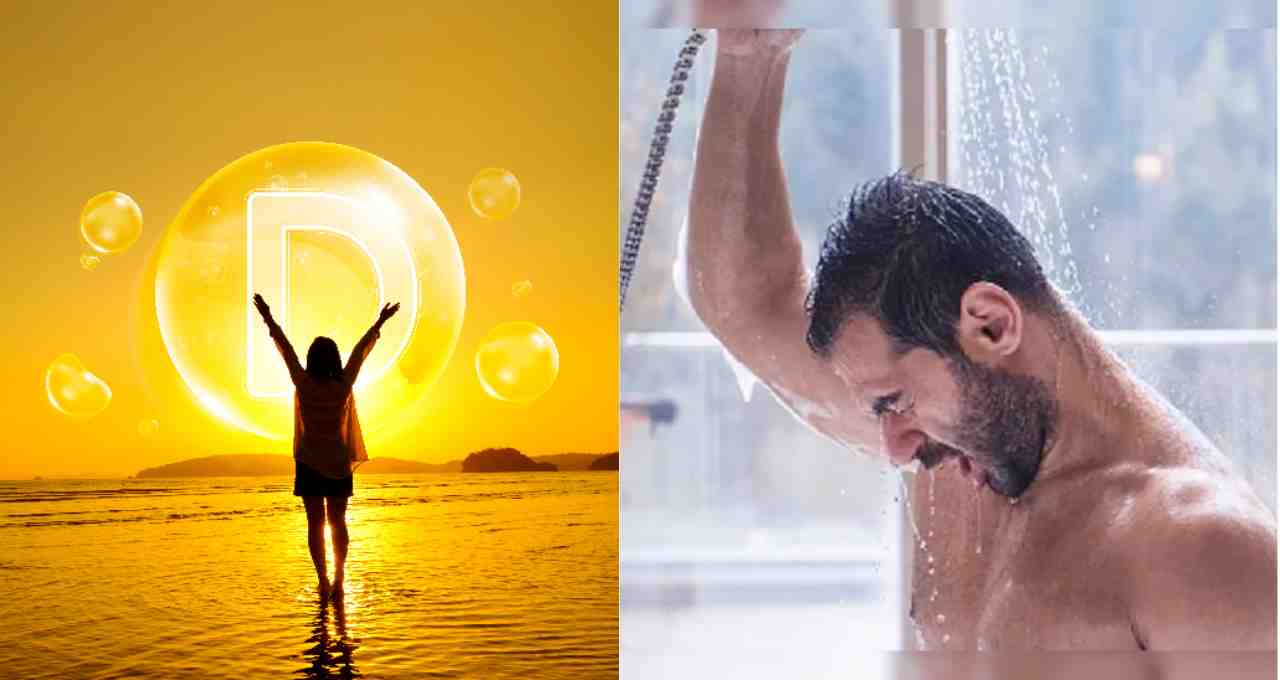
- Take a warm bath to prevent shock to the body.
- Regularly check your BP.
- Get some mild sunlight to avoid Vitamin D deficiency.
- Get enough sleep and try to keep yourself stress-free.
Winter can be a challenging season for high BP patients, but with the right precautions, it can be easily managed. By making small changes to your daily routine, you can keep your heart safe and maintain stable blood pressure.