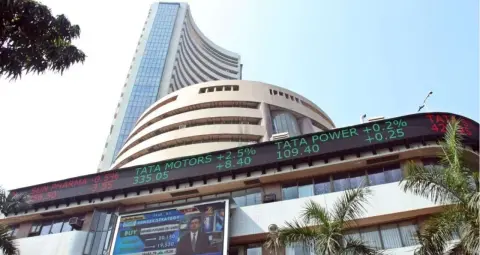
The Indian stock market declined on Wednesday, October 7, 2026, ending a two-session winning streak. The benchmark indices closed lower amid selling pressure across several major sectors. The Sensex fell 429.11 points, or 0.59%, to close at 72,638.70, while the Nifty declined 173.05 points, or 0.76%, to 22,603.05. During the session, the Nifty remained below the 22,650 level.
Selling pressure was visible across several major sectors, particularly IT, auto, metal and realty stocks. Buying in some banking stocks and select large-cap shares limited the decline.
Market breadth remained mixed by the end of the trading session. Around 1,928 stocks closed higher, while 2,251 stocks declined. About 192 stocks recorded no major change in their prices.




Among major Nifty constituents, Titan Company, Adani Enterprises, Hindalco Industries, JSW Steel and Bharat Electronics were among the stocks under the most pressure. Kotak Mahindra Bank, BSE Limited, Bharti Airtel, ICICI Bank and Coal India were among the major gainers.

Mid-cap stocks also remained weak, with the Nifty Midcap Index closing around 0.6% lower. Small-cap stocks, however, performed relatively better, with the Smallcap Index gaining around 0.3%.
Most major sectoral indices ended lower, except media and PSU banks. FMCG, IT, auto, metal and realty sectors declined by around 1% to 2%. Selling across these sectors weighed on the broader market.
Investors prioritised profit-taking in some sectors amid risks related to interest rates and crude oil prices.
The RBI's interest rate increase was also cited among the key factors behind Wednesday's market decline. In its October monetary policy review, the central bank raised the repo rate by 25 basis points. This was the first time the RBI had increased the repo rate since February 2023.
Higher interest rates can increase borrowing costs for companies and affect investment and consumption. According to market experts, the change in rates also reflects the central bank's concerns over inflation-related risks.
However, the RBI's stance on the underlying condition of the Indian economy remained positive. Despite this, investors in the stock market appeared cautious about the impact of monetary policy.
Internationally, Brent crude prices rose by around 1% to around $101.5 per barrel. Oil prices are significant for the Indian market because the country depends on imports for a large share of its energy requirements.
Despite increased supply from the Middle East, risks to US oil production linked to storms and the impact of Houthi attacks on Saudi Arabia supported crude oil prices. Higher crude prices can put pressure on India's import bill and inflation.