Iran has proposed reopening the Strait of Hormuz and lifting the maritime blockade, but the United States has declined to accept the proposal without an agreement on Iran’s nuclear programme, leading to heightened tensions in the Middle East.
According to a report by The New York Times, three Iranian officials confirmed that Tehran has indicated, for the first time, that it may be prepared to reopen the strategically significant Strait of Hormuz. The move, however, would depend on ongoing negotiations and conditions involving the United States.
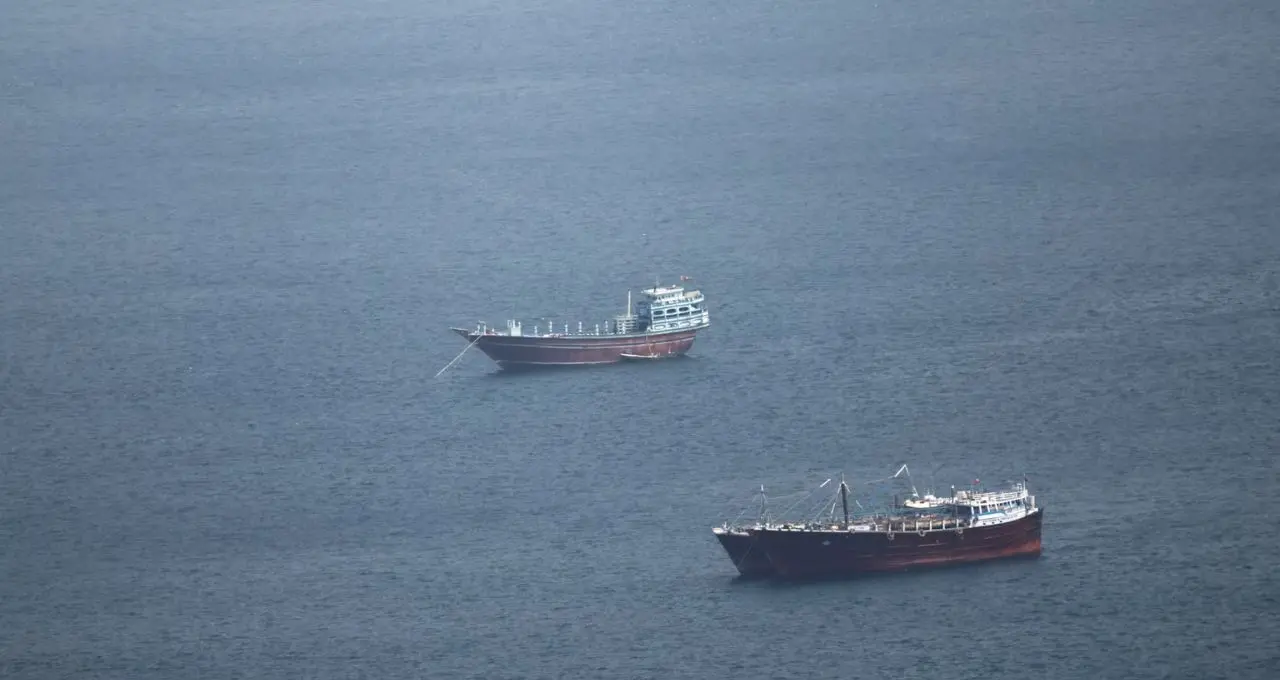
Iran has urged the United States to remove the maritime blockade in the region to allow the resumption of normal movement of international oil and commercial vessels.
Proposed Conditions Presented by Iran
The report states that Iran recently submitted a diplomatic proposal to the United States containing three primary conditions. These include an end to conflict with the United States and Israel along with guarantees against future attacks, the removal of the maritime blockade and reopening of the Strait of Hormuz, and subsequent negotiations on issues such as the nuclear programme and uranium enrichment.
Iran has stated that regional peace and security should be ensured before discussions on nuclear disputes can take place.


United States Rejects Proposal
Former United States President Donald Trump and his administration declined to accept the proposal. According to a report by CNN, the United States believes that lifting the maritime blockade without resolving Iran’s nuclear programme could weaken its negotiating position.
The United States has maintained that both security concerns and the nuclear programme must be addressed simultaneously.
Nuclear Programme Remains Central Dispute
The primary point of contention between Iran and the United States remains Tehran’s nuclear programme. The United States has demanded that Iran suspend its nuclear programme for at least 20 years and transfer approximately 440 kilograms of enriched uranium to international control.
Iran has rejected these demands, describing them as excessive and unreasonable.
Earlier Proposal Also Rejected
In a previous proposal sent on April 26, Iran had stated that uranium enrichment would be completely halted for five years, followed by limited civilian use for the next five years. The proposal also included reducing its uranium stockpile, transferring half of it to Russia, and retaining the remaining half within Iran under international supervision.
This proposal was not accepted by the United States.
Diplomatic Efforts and Strategic Shift
Experts indicate that Iran is adjusting its strategy by prioritising the reduction of conflict and tensions before addressing complex issues such as the nuclear programme at a later stage. However, the United States rejected the revised proposal on April 27.
International Reactions
Russia criticised actions by the United States and Israel, describing them as serious for the international order. France stated that Iran would need to adopt a more flexible position for negotiations, while Germany questioned the United States strategy, stating that Washington appeared weakened in the situation.
Oil Export Constraints and Economic Pressure
Reports indicate that Iran’s oil exports have been significantly affected by the ongoing maritime blockade. A data analytics firm has estimated that Iran has approximately 22 days of oil storage remaining.
If the situation persists, Iran may be required to reduce production, which could have long-term effects on its oil wells.
Iran-Russia Engagement
Iran’s Foreign Minister Abbas Araghchi recently met Russian President Vladimir Putin. During the meeting, both sides discussed strategic partnership and the current international situation.
Iran described Russia’s support as significant and stated that bilateral relations between the two countries are strengthening.