The Indian Space Research Organisation has released a detailed report on the technical malfunction that occurred during the NVS-02 mission, explaining why the process of transferring the satellite from an elliptical orbit to a circular orbit could not be completed. The agency stated that corrective measures have been implemented to prevent recurrence in future missions.
The mission was launched on 29 January 2025. Initial operations proceeded as planned, but a technical issue arose during the critical orbit-raising phase. ISRO’s Apex Committee has completed its investigation and made the findings public.
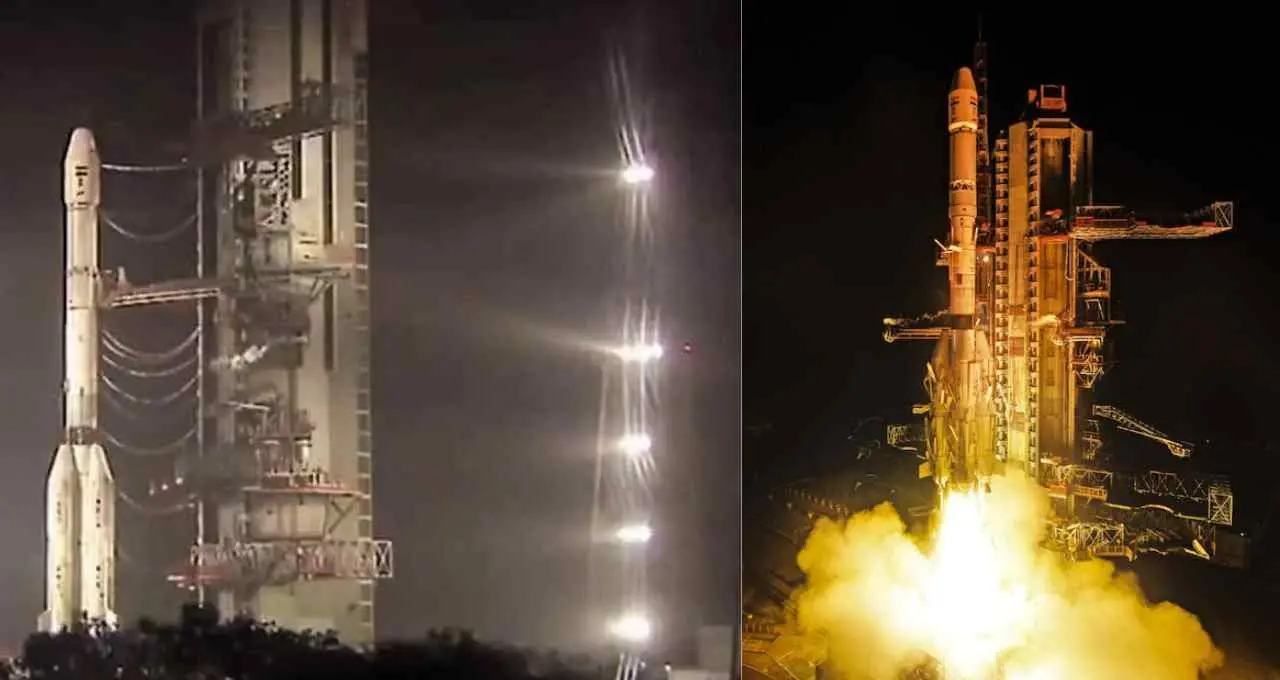
NVS-02 was launched aboard GSLV-F15 and successfully placed into its designated elliptical orbit of 170 x 37,785 kilometres. The satellite separated from the launch vehicle at the scheduled time, following which the solar panels were deployed and power generation commenced.



Immediately after separation, the spacecraft completed multiple autonomous activities, including stabilising its orientation and conducting system checks. No major issues were observed during these stages.
The issue emerged when the process of transferring the satellite from an elliptical orbit to its intended circular orbit was initiated. This process, known as orbit raising, is designed to place the satellite into its final circular orbit to enable normal operations.
ISRO stated that the orbit-raising operation could not be completed as the designated engine firing did not occur as expected. The mission team initiated an analysis and constituted a high-level investigation panel named the Apex Committee.
Based on telemetry data and simulation studies, the Apex Committee conducted a detailed investigation. The analysis found that the primary issue was linked to the drive signal not reaching the engine’s oxidiser line. The signal was required to reach the pyro valve to activate the engine and complete the orbit-raising process.
The investigation indicated the possibility of at least one contact having separated in the main and redundant connector path. As a result, the signal did not reach its destination and the engine did not function as expected, halting the orbit change process.
The report stated that the Apex Committee recommended several measures to enhance the redundancy and reliability of the pyro system. These recommendations have been implemented to ensure that signal transmission and engine activation are not disrupted in future missions.
The corrective measures were implemented in the CMS-03 mission launched on 2 November 2025 aboard LVM-3 M5. In that mission, the pyro system performed as expected and the satellite was successfully placed into its designated orbit, demonstrating the effectiveness of the recommended improvements.