Both LED Bulbs and LED Tubelights are energy-saving options, but the real difference lies in their application. LED bulbs consume less electricity in smaller rooms, while LED tubelights provide uniform illumination in larger spaces, balancing overall consumption. Making the right choice can reduce your electricity bill.
LED Bulb vs LED Tubelight: With rising electricity rates, choosing the right lighting option for your home and office has become crucial. This question faces every consumer who desires a lower electricity bill and better lighting. According to experts, LED bulbs save energy by providing sufficient light in smaller rooms at lower wattages, while LED tubelights offer consistent illumination in large halls or offices. Incorrect placement of lights can increase expenses, so choosing based on need and space is the sensible approach.
A Direct Calculation of Electricity Consumption




LED Bulbs typically provide adequate lighting in the range of 7 to 12 watts, making them energy-efficient for smaller rooms. In limited spaces like bedrooms, kitchens, or studies, a single bulb can meet the requirements, resulting in lower overall consumption.
LED Tubelights, on the other hand, consume 18 to 22 watts of electricity, which may seem higher. However, they provide uniform lighting across larger areas. If the same space were lit with multiple bulbs, the total wattage could exceed that of the tubelight.
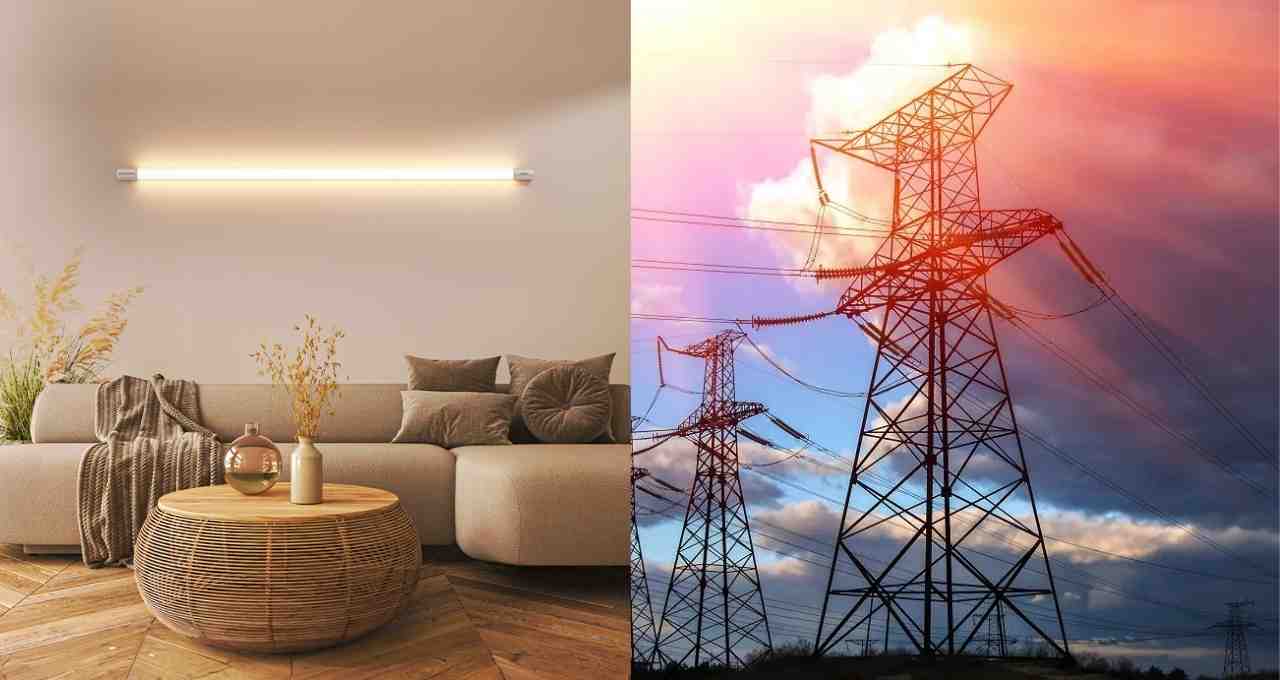
Light Quality and Usage
The light from an LED Bulb is focused, reducing strain on the eyes during reading or work. This makes it more practical for smaller and private spaces.
LED Tubelights provide long and diffused lighting. In larger rooms like halls, living rooms, or offices, they effectively eliminate darkness and reduce the need for frequent additional lighting.
Price and Long-Term Savings
Initially, LED Bulbs appear cheaper, but the cost can increase if multiple bulbs are needed for a large room. Conversely, a good LED Tubelight is slightly more expensive but can illuminate a large area on its own.
Both options have a long lifespan and require minimal maintenance. The real savings come from choosing the right light for the right place.