Modern athlete earnings structures are undergoing rapid change, with top players increasingly operating as global brands and business assets beyond on-field performance.
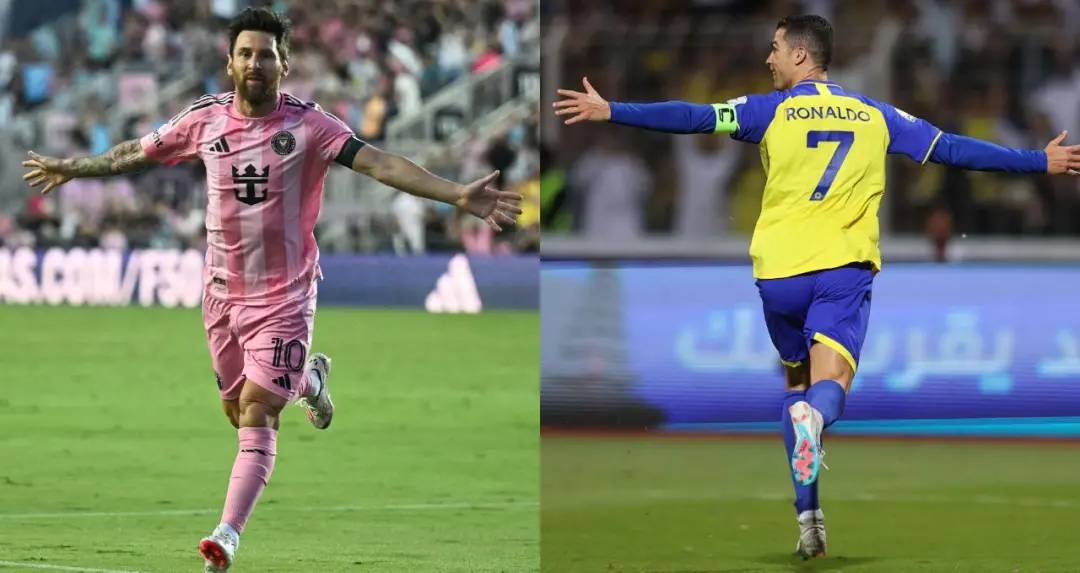
Across sports, higher-profile athletes command greater earnings and brand value, with leading figures functioning as global commercial entities. This is reflected in the continued presence of Lionel Messi and Cristiano Ronaldo among the highest-earning athletes despite being in the latter stages of their careers.
In football, earnings are no longer limited to salaries. When Lionel Messi joined Inter Miami CF, his deal included an annual salary of approximately ₹800 crore, along with equity in the club and a share of league broadcast revenue.
Cristiano Ronaldo, playing for Al Nassr, earns approximately ₹2000 crore annually under a deal supported by Saudi Arabia’s Public Investment Fund, which is aimed at strengthening the country’s global image through sports.




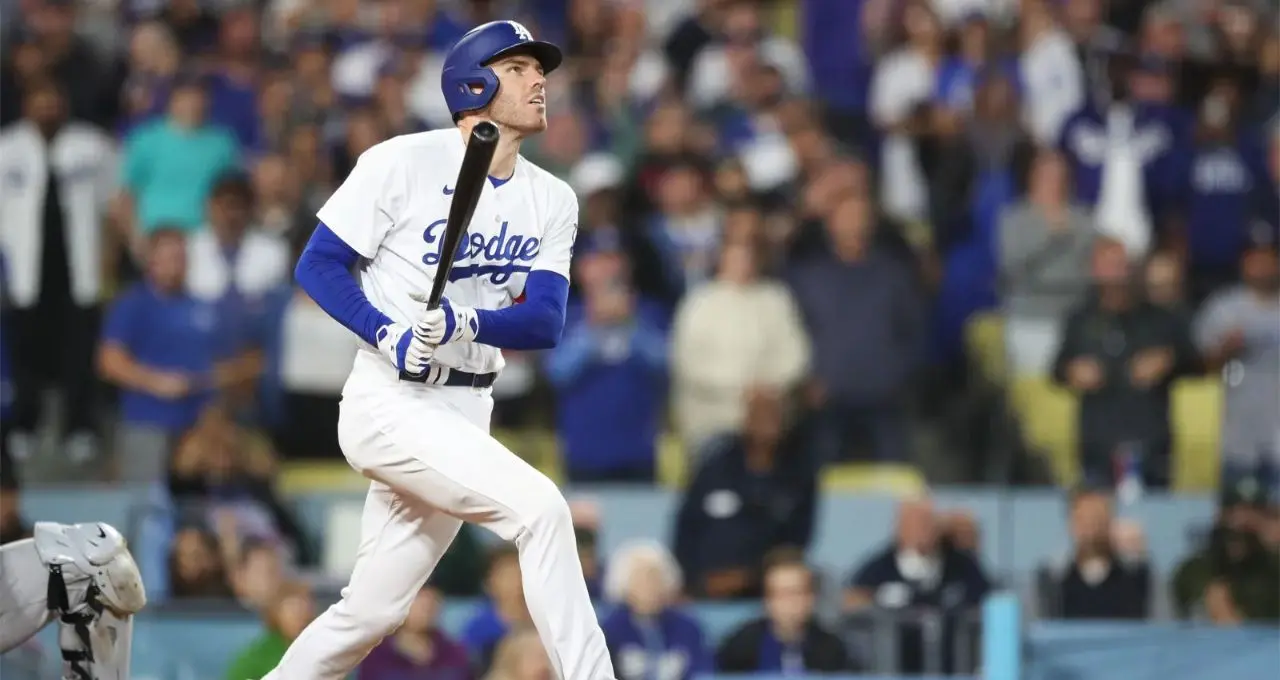
Major League Baseball employs a distinct financial approach. Shohei Ohtani signed a 10-year contract worth approximately ₹6450 crore with the Los Angeles Dodgers.
The deal is structured under a deferred money model, where Ohtani receives a limited annual salary at present, while the majority of the amount will be paid in instalments after retirement. This structure provides luxury tax relief to the club while ensuring long-term income for the player.
In boxing, earnings are determined by market value and audience demand. Mexican boxer Canelo Alvarez earned approximately ₹910 crore for a single bout, while his opponent Terence Crawford received a comparatively lower amount.
This difference indicates that earnings in boxing are influenced more by brand value and audience demand than match outcomes.
In golf, the Saudi-backed LIV Golf has introduced new earning avenues.
Scottie Scheffler has been earning hundreds of crores annually through consistent tournament wins, while Jon Rahm secured a significant signing bonus without major victories. This reflects the growing importance of league structures and contract terms alongside performance.
In US sports leagues, structured financial systems are in place.
In the NBA, revenue is shared equally between players and team owners, and experienced players can earn up to 35 percent of the salary cap. Players such as Stephen Curry earn more than ₹500 crore annually.
In the NFL, players such as Dak Prescott secure high-value contracts through negotiation leverage, with timing playing a critical role in determining earnings.
Modern contracts allow athletes to continue earning after retirement through multiple mechanisms, including deferred payments, brand endorsements, and equity shares, ensuring long-term financial security.