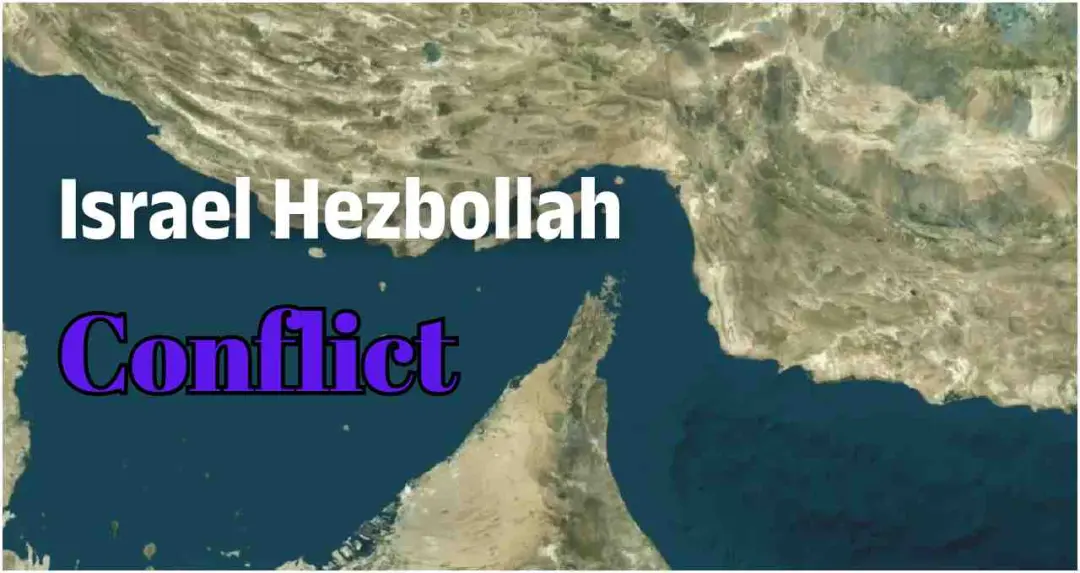
Israel has intensified large-scale military strikes against Hezbollah targets in Lebanon, resulting in at least 112 deaths and more than 800 injuries, according to Lebanon’s health ministry. In response, Iran has closed the Strait of Hormuz, raising concerns over global oil supply and the stability of a recently announced US-Iran ceasefire.
Israel has expanded its military operations in Lebanon, carrying out large-scale attacks on Hezbollah positions. The Lebanese health ministry reported that at least 112 people have been killed and over 800 injured in the recent strikes.




The Israel Defense Forces (IDF) stated that the operation is part of a coordinated campaign targeting key locations in Beirut, the Bekaa Valley, and southern Lebanon. The developments have raised questions over the stability of the ceasefire recently declared between the United States and Iran.
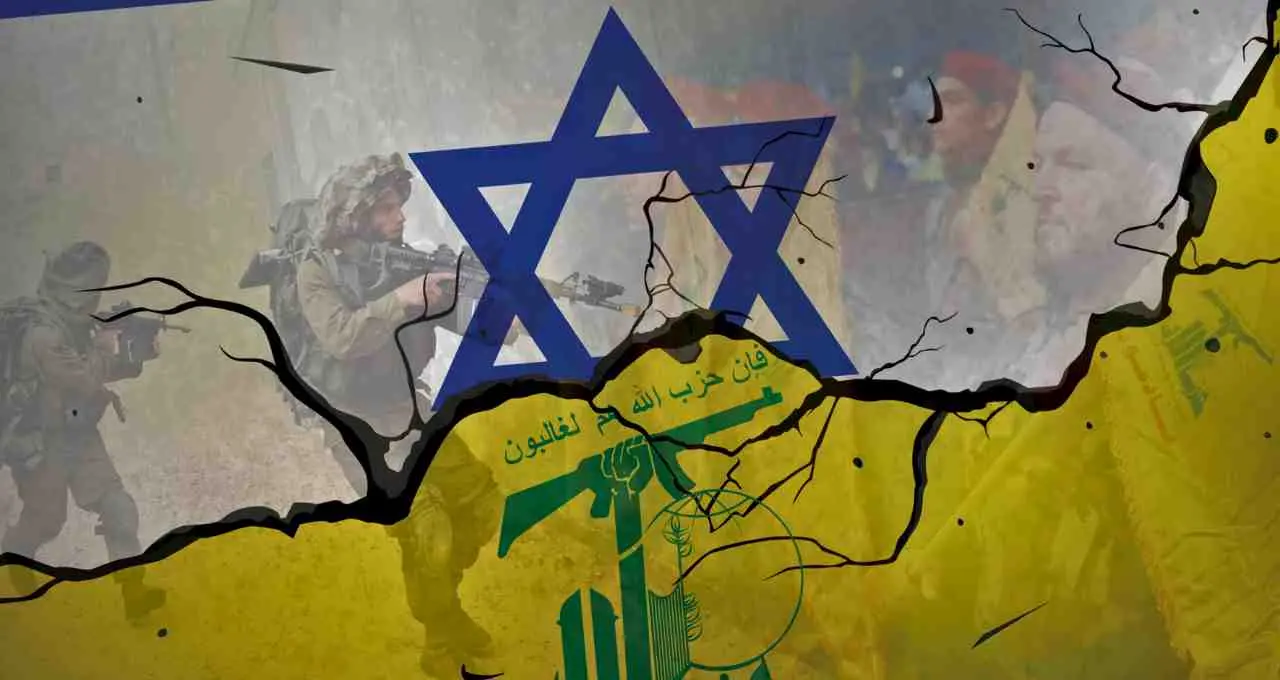
According to the IDF, more than 100 Hezbollah command centres and military facilities have been targeted under “Operation Roaring Lion.” These include intelligence centres, missile systems, naval infrastructure, and Radwan Force positions.
The Israeli military said the strikes were conducted based on precise intelligence following weeks of planning. Chief of Staff Lieutenant General Eyal Zamir stated that operations against Hezbollah will continue and that there will be no compromise on the security of northern Israel.
Iran’s decision to close the Strait of Hormuz has raised concerns at the global level, as the route is one of the world’s most critical oil transit corridors. Large volumes of crude oil pass through the strait to international markets.
Experts indicate that if the situation persists, it could lead to an increase in oil prices and have a direct impact on the global economy. Potential consequences include disruptions to energy supply and challenges in supply chains.